
The telehealth sector is not only expanding, it is surging at a rate that no one could have imagined. With virtual consultations becoming the new normal and health practitioners adopting a digital-first approach to care, startups are sprinting to stake their claim in an increasingly cluttered market.
The figures speak volumes: the global telehealth market, estimated at $123.26 billion in 2024, is set to soar to a 24.68% CAGR by the year 2030. This translates to new players entering the market day by day, search engine results flooded with options, and patients digging deeper, trying to find out who they can trust when it comes to their treatment.
In this cutthroat world, your online presence is not another marketing medium; rather, it is the lifeline of your business. SEO is the engine that drives that, but while keywords and site speed act as a prelude, it is backlinks that signal, both to patients and Google, you are credible, trusted, and here to stay.
For telehealth startups, the mission is clear: stay at the top of the ranking while demonstrating that you function with compliance, compassion, and patient-first values.
The shortcut?
There is none. However, the most effective course of action is a niche-focused, hyper-specific link building from medical journals, healthcare associations, and trusted patient resources that boost authority, visibility, and trust all at once.
Understanding the Backlink Landscape for Telehealth
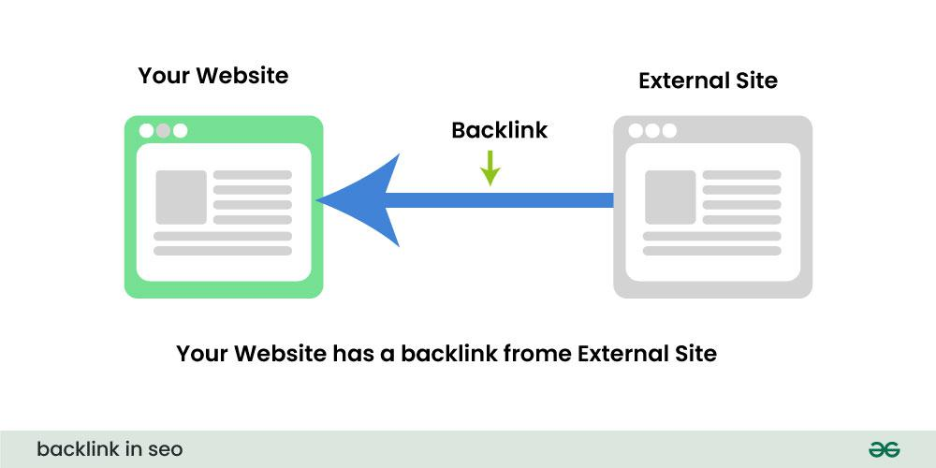
Backlinks are more than merely clickable shortcuts; they are like professional recommendations whispered in the right ears. In telehealth, each quality link is a trusted introduction, telling search engines and patients, “You can count on us.”
The most valuable recommendations are made by people in your inner circle, people in reputable healthcare, telemedicine, or medical technology sites, where credibility carries real weight.
Statistics support it: healthcare domains that have a Domain Authority of 50+ pull in approximately 67% more organic traffic than their counterparts with lower Domain Authority.
To put it simply, each well-placed backlink is a handshake that leads to more doors opening up, which is why so many telehealth startups rely on the top link building services to accelerate their growth.
Backlink Challenges Unique to Telehealth
Telehealth is positioned at the intersection of modern medicine and the online landscape, but that sweet spot comes with a unique set of SEO barriers. Each of these links should be crafted with care, balancing the pursuit of visibility with the non-negotiables of patient safety, airtight data privacy, and factual accuracy.
The following are some of the major backlink challenges that the telehealth providers have to deal with.
- Regulatory and Privacy Compliance:
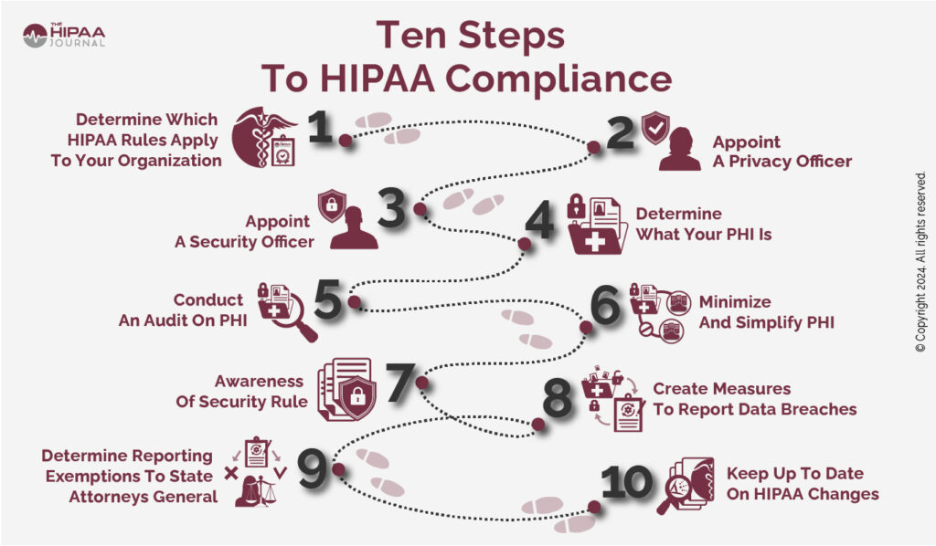
Navigating the HIPAA and the FTC guidelines narrows the error margin. All linked information should preserve the patient data and uphold medical ethics; any lapse could attract hefty fines and distrust of patients.
- Demand for Educational, Not Promotional, Content: The backlink-worthy resources should be focused on patient education. Statistics indicate that 77% of patients carry out an online search prior to making an appointment, which compounds the consideration of credibility when it comes to your content.
- Misinformation Risks in Health Content: Unverified links may damage the reputation of a telehealth provider literally within seconds. Careful selection of partners ensures alignment with clinical accuracy and authoritative evidence.
- Value of Trust Tools & Certifications: The HONcode seal, a symbol of health information credibility, is more than just a visible logo; it is perceived to be a symbol of reliability and adherence to ethical standards.
- Authority through Domain Variety: Healthcare sites with backlinks from .gov or .edu domains are ranked about 21% higher on healthcare-based searches. Such links are indicators of integrity that generic domains fail to demonstrate.
- Securing High-Quality Backlinks Is Difficult for Many: More than 58% of healthcare sites fail to obtain links from high-authority domains. It implies that most do not utilize this potent SEO resource properly.
Foundational Strategies for Building Quality Backlinks
Prior to jumping into the more sophisticated strategies, it is necessary to establish a solid foundation. These fundamental approaches will not only make your backlink profile large but credible, relevant, and one that will stand the test of time.
1. Leverage Your Credentials and Certifications
In healthcare, trust is paramount, and your credentials are not just bullet points on a website; they are SEO assets.
When telehealth startups attain listings on legitimate platforms, such as government health directories or professional medical associations, those affiliations become powerful backlinks that Google and your future patients recognize.
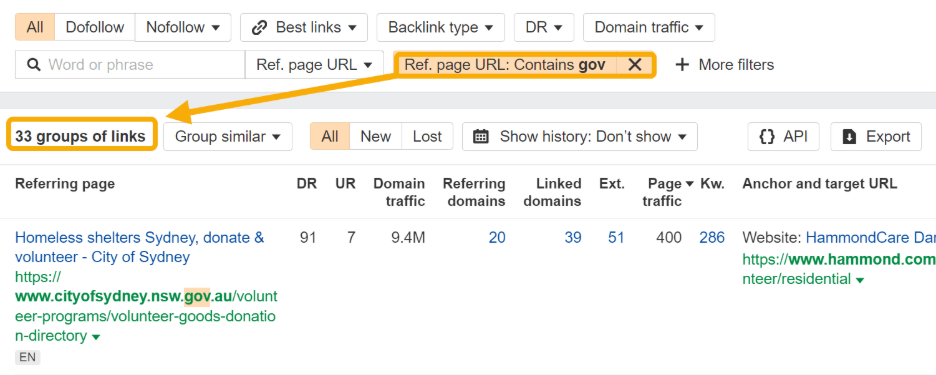
Consider the case of HammondCare: an aged care provider in Australia that secured 33 .gov and 24 .edu sites as backlinks, strengthening its web authority and boosting search visibility.
When viewed in the larger healthcare context, websites featuring strong backlink profiles are positioned to rank up to 64% higher in medical search results. Nurturing these foundational links is not passive.
It is a tactical step that will give your telehealth service a competitive advantage. The more your credentials are certified by legitimate sources, the better your online presence becomes.
2. Partner With Medical Institutions
Partnering with reputable medical organizations is not precisely beneficial in terms of reputation; it is also a key to achieving valuable backlinks, which drive SEO and patient confidence.
Amwell is one such bright example: in order to be able to connect patients with specialists directly through telehealth services, Amwell formed a strategic partnership with the Cleveland Clinic. Though not an exclusively backlink strategy, this partnership resulted in several recognitions and links across the digital platforms of the Cleveland Clinic, amplifying Amwell’s authority.
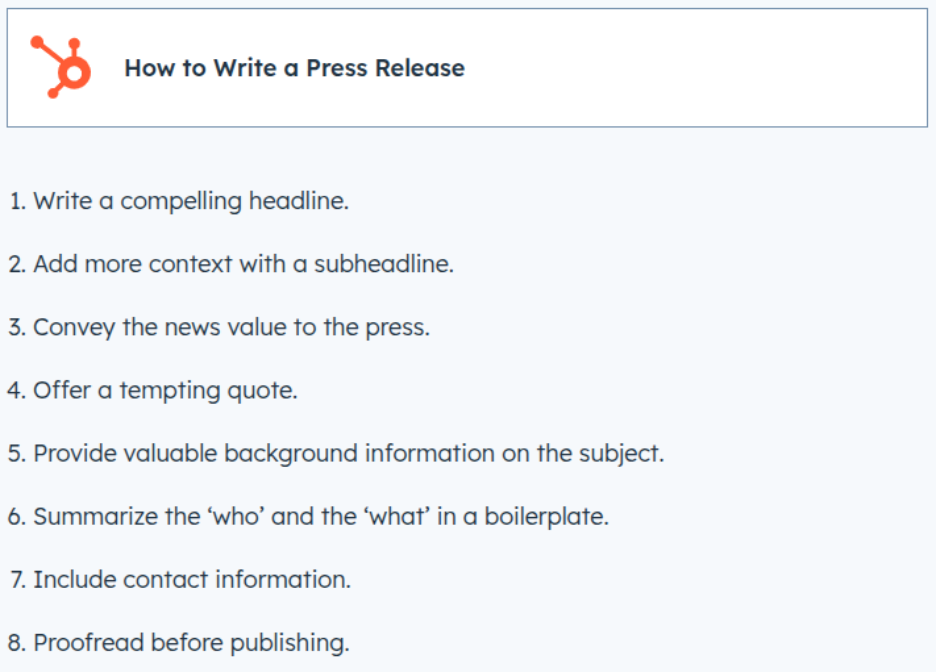
Press releases also provide beneficial link opportunities.
Announcing a new partnership, a new technology launch, or some new advancement in patient care alongside a medical partner increases the odds of being picked up by institutional websites and regional news outlets, both of which typically carry strong domain authority.
Telehealth startups that cultivate such relationships not only find themselves gaining visibility—they build legitimacy.
3. Optimize Local and Regional Health Listings
One of the most neglected, but effective techniques of acquiring a high-quality backlink is local and regional health listings. The goals of local SEO for telehealth providers go beyond visibility to gaining local trust in the communities they serve.
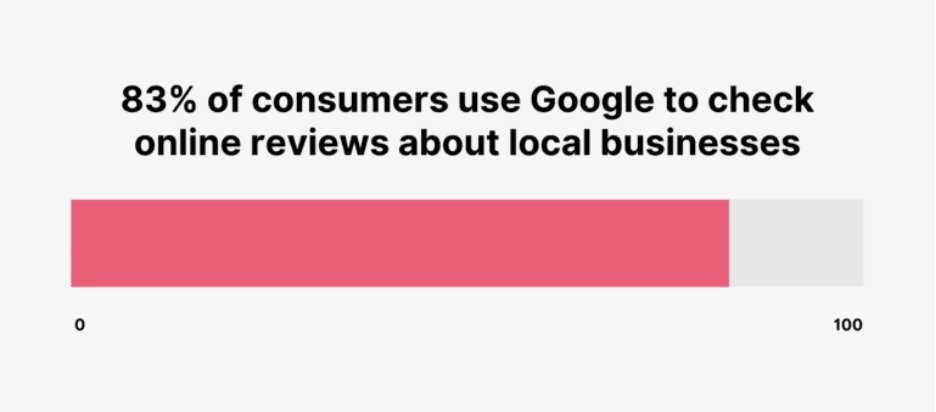
As indicated in the Local Consumer Review Survey conducted by BrightLocal, 83% of consumers used Google to research local businesses, highlighting the importance of accurate and optimized local listings. Even better, complete Google Business Profiles of healthcare businesses get 7 times more clicks when compared to incomplete ones.
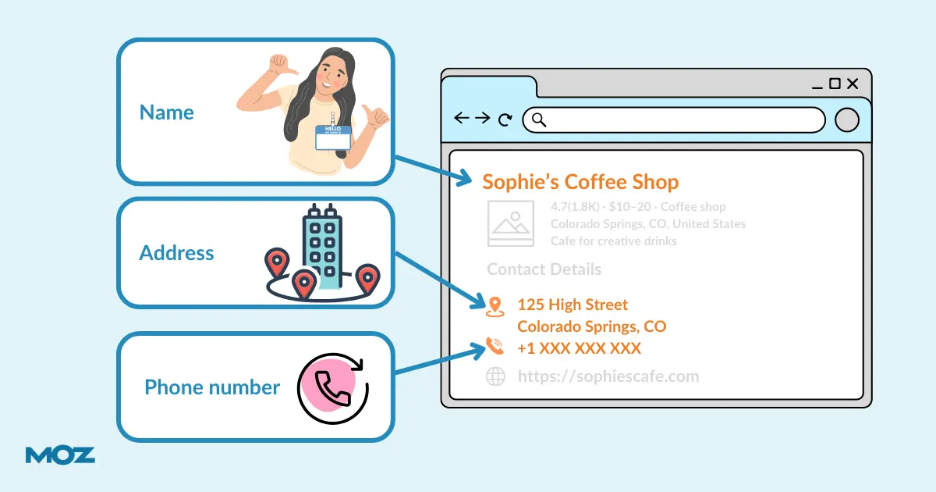
In order to achieve the maximum results, ensure NAP (Name, Address, Phone) consistency on all platforms and enrich profiles with services, images, and updated links. When done properly, local citations not only enhance ranking but also induce quality patient leads.
Content-Driven Backlink Strategies
As much as foundational strategies set the stage, content is what drives the long-term backlinking growth. Original, high-value content is bound to attract the attention of journalists, health bloggers, and medical organizations.
The following are some content-based backlinking strategies that telehealth startups can use to achieve long-term growth.
1. Publish Authoritative Health Guides and Resources
One of the best approaches to creating backlinks within the medical and telehealth industry is to develop comprehensive and authoritative health guides.
Topics such as “Managing Diabetes Through Telehealth” or “The Role of Virtual Care in Mental Health Support” are evergreen subjects that provide longevity to your content, ensuring that your content continues to attract links well beyond its initial publication.
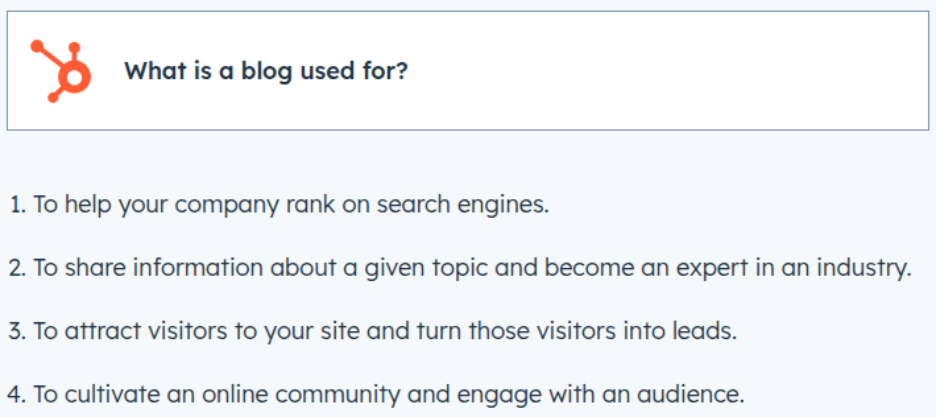
Brands that make blogging a priority see 13 times more ROI than brands that do not, a testament to the compound value of quality building and content-driven strategies. In healthcare in particular, well-formatted, expert-reviewed content is highly linkable because it builds trust and credibility.
As an example, a report indicates that approximately 589 million people worldwide are living with diabetes, and therefore, information on the management of the same via telehealth is much in demand.
Not only can this support patients, but it also provides a good source of organic, high-quality backlinks to journalists and institutions.
2. Case Studies and Patient Success Stories

Case studies and patient success stories are particularly effective at gaining backlinks as they highlight data-driven results with human impact.
With patient consent, documenting a patient journey, such as improved management of diabetes or hospital readmission reductions, provides genuine content that medical journals, industry blogs, and online newsrooms are keen to cite.
The combination of storytelling and evidence makes them highly linkable, driving consistent, organic backlinks while reinforcing brand authority in the telehealth space.
3. Original Research and Data Reports
Producing and publishing your own study, such as telehealth adoption surveys or a report of industry trends, can be beacon content, attracting attention and earning organic backlinks. When data is timely, relevant, and visually digestible, it becomes especially shareable.
Such types of findings are ideal raw materials for a compelling infographic or a downloadable report. Authored research like this not only helps to put your startup as a thought leader, but also attracts phenomenal backlinks, as other sites will naturally link back to well-formatted, exclusive data.
Digital PR and Outreach for Telehealth Backlinks
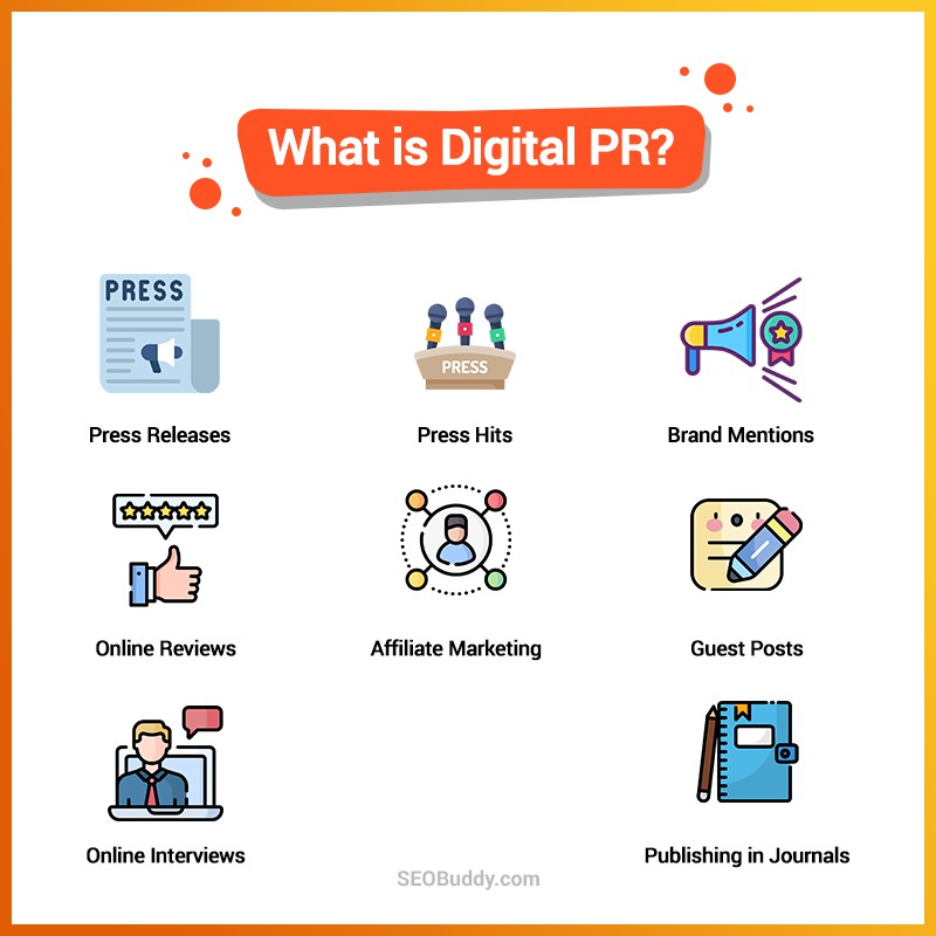
Although content establishes authority, outreach helps it reach the right eyes. It is possible to write the most informative health guide or research report, but without any backlinks to it, nobody will ever see it.
Enter digital PR, proactively sharing your content with journalists, healthcare publications, and industry influencers, amplifies visibility and drives quality mentions.
The following are digital PR and outreach tactics configured for telehealth backlinks.
1. Press Releases for Key Milestones
Announcing key accomplishments, such as a successful funding round or new strategic partnership, or the addition of new services, is not just news; it offers an opportunity to build credibility and secure a worthwhile link.
Good digital PR campaigns always give strong backlink results. They produce an average of 12 high-authority links (DA 70+) on each campaign, rendering the technique one of the best approaches to increasing organic exposure and establishing domain credibility.
Well-placed press releases are not only about timing but also have a higher possibility of drawing the interest of journalists. According to a study conducted in 2024, Thursday is the most effective day to deliver a press release, having the highest percentage of opening between 22% and 25%.
The constant use of press releases to make substantive statements keeps news cycles in motion and makes every headline possess the potential to grow your backlink profile.
2. Expert Commentary and Guest Appearances
When the health article features your brand or medical podcast names you, your knowledge becomes the focus, and your brand gets publicity and validity.
Every professional contribution translates to backlinking potential, whether in journalist profiles or podcast episode show notes, which further capitalizes on authority in telehealth.
Effects are not limited to SEO. As demonstrated in a Data Dailey case study, websites that were listed in the podcast saw an average of 22 percent increase in organic traffic after 6 months, meaning well-considered guesting is a long-term strategy.
Quote or the link to the podcast, in the right place in telehealth, can mean the difference between being known and being recommended.
Turning Backlinks Into Long-Term Growth
When it comes to developing backlinks in the sphere of telehealth startups, it is not the instant success that matters but long-term and sustainable progress founded on credibility and trust.
Publication of case studies, providing expert opinion, contributing to a podcast, and using HARO or Qwoted are just some of the techniques that can continuously increase exposure and authority.
These methods do not simply win backlinks, but also increase brand awareness and patient loyalty, which are keys to success in a digital healthcare environment. The secret to success is consistency—using timeless, effective techniques that add up in the long-term.
Start small; pick one strategy; it could be your pitch to a journalist or your patient success stories, and build a long-term digital strategy.

About the author: Vibhav Gaur, Business Head
Vibhav Gaur leads strategic operations and business growth at the organization. With a strong background in digital transformation and customer-focused solutions, he has helped numerous clients streamline their web presence and scale efficiently. His leadership ensures seamless execution across teams, with a commitment to delivering results and fostering innovation in every project.


