
You’re scrolling through your favorite social media platform, and a sleek ad for a new coffee maker catches your eye. It’s stylish, it’s innovative, and suddenly, you’re curious.
You click the ad, explore the brand’s website, and maybe even follow them for updates. Weeks later, as you sip coffee from your worn-out machine, another ad pops up—this time offering a discount on that very coffee maker.
Now, you’re not just interested—you’re buying. This scenario captures the essence of marketing’s biggest balancing act: Upper Funnel vs. Lower Funnel strategies.
The first gets you curious, while the second cements the action with desire. The twist is that these two approaches seem like rivals vying for budget, attention, and strategy.
But they’re both crucial components of the puzzle.
Let’s peek into this dynamic duo and see how Upper Funnel vs. Lower Funnel strategies work together to guide consumers from the curious phase to the conversion phase.
Mapping the Customer Journey: Funnel Basics Simplified
 semrush.com/blog
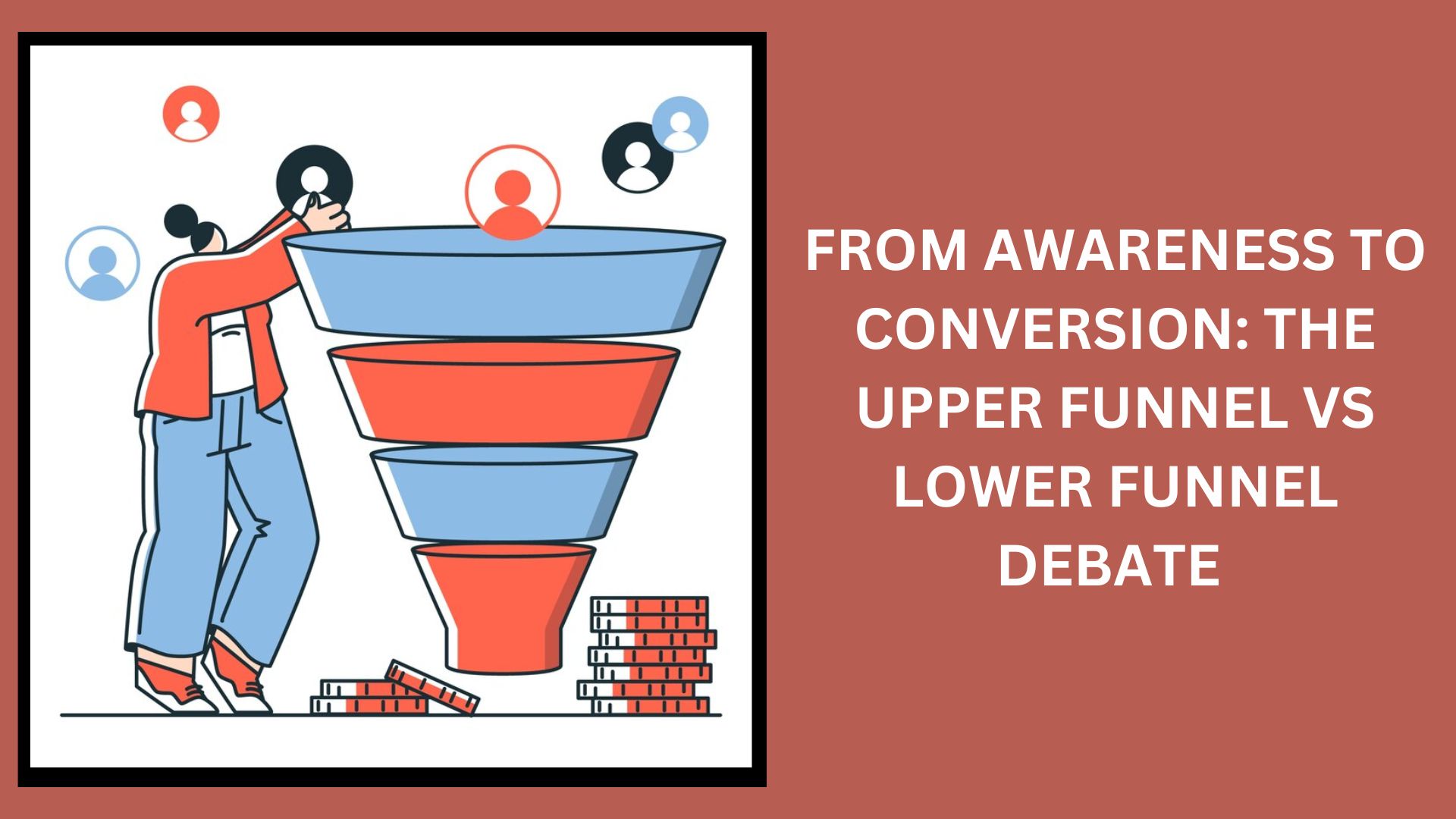
Taking center stage, the Upper Funnel vs. Lower Funnel marketing guides prospective clients from the initial awareness to the last curtain of decisive action.
Two separate acts make up this engrossing journey: the Upper Funnel vs. Lower Funnel, where people start to get inquisitive, and the lower funnel, where the narrative is developed and results in a strong conversion.
Although each act has a role, they all blend to create an incredible performance—also referred to as conversion—that ultimately results in success.
The Upper Funnel vs. Lower Funnel Breakdown
The Upper Funnel: Building Awareness and Sparking Interest
The Upper Funnel vs. Lower Funnel discussion starts with understanding their unique roles. The upper funnel is about ‘casting a wide net’ when it comes to attention and interest. It’s about the first impression you make.
The Upper Funnel vs. Lower Funnel strategies involve content marketing, social media engagement, and engaging with influencers. 54% of social media users are using these same platforms to research products, which is to say that an excellent social media presence matters at this stage.
The Lower Funnel: Driving Action and Securing Conversions
Prospects come into the lower funnel when they begin moving further down the funnel into the world of decision and conversion. It’s about nurturing the leads and encouraging them to take action.
Retargeting ads, personalized email campaigns, and compelling calls to action are essential. Well-executed lower funnel strategies yield an effective sales funnel of 50% more leads at 33% lower cost.
Funnel Synergy: The Upper Funnel vs. Lower Funnel Balance
Prospects come into the lower funnel when they begin moving further down the Upper Funnel vs. Lower Funnel journey into the world of decision and conversion. It’s about nurturing the leads and encouraging them to take action.
A recent Nielsen meta-analysis of over 1,300 campaigns across 20 different consumer packaged goods brands showed the ROI of full-funnel marketing campaigns increased up to 45 percent, and offline sales increased up to 7 percent compared to campaigns that target just one purchase stage.
This data reinforces the need for an overall strategy by blending upper and lower funnel efforts to successfully drive potential customers from awareness to conversion.
The Upper Funnel: Casting a Wider Net
 ahrefs.com/blog
The upper funnel is where brands raise awareness and brand recognition and educate audiences on offerings.
So, let’s explore the core of the upper funnel.
Goals that Drive the Funnel Forward
This phase doesn’t have you rushing to close the sale—you’re trying to get people to understand your brand and become interested enough to find out more.
- Awareness: Marketing your brand to a broader audience that has yet to hear about your brand.
- Brand Recognition: Ensuring your brand stays at the top of your mind and stands out in a crowded market.
- Education: It helps provide valuable information that helps consumers understand how your product or service can meet their needs.
Winning Tactics: Strategies for Upper Funnel Success
When you have your objectives in place, move on to your strategies for engaging your audience to begin building those relationships.
Here’s how you can make your brand irresistible:
- Content Marketing: This includes creating excellent, informative content (blogs, videos, infographics) that address your audience’s pain points directly to increase their engagement. A study reveals that 81% of marketers found content marketing is the best tool to boost brand awareness.
Here’s an example of a brand using content marketing to create awareness:
 semrush.com/blog
There is a blog post on Casper, a mattress brand, where they give a step-by-step guide on cleaning blood out of sheets. The concept isn’t about directly selling a product but achieving brand awareness through addressing a particular subject filled with the needs of potential customers.
This article ranks well on Google, which brings in organic traffic. According to Semrush’s Organic Research tool, the post gets around 10.2K visitors per month, creating brand visibility without the ‘hard’ sales pitch.
- Social Media Engagement: Creating a direct conversation with your audience via users on platforms like Instagram, Facebook and LinkedIn. In fact, 73% of marketers consider social media a great tool for business growth.
Let’s have a look at an example of TacomaBeast using TOFU content:

ahrefs.com/blog
An excellent example of utilizing Instagram to promote to a specific group (Toyota Tacoma owners) would be TacomaBeast. Posting TOFU (Top of Funnel) content, like sharing Tacoma mods and builds, brings in current owners and potential customers.
Instagram reels and TikTok not only reach followers but also many others, which boosts brand awareness. With this strategy, TacomaBeast can expand its audience base, grow engagement, and increase its brand presence in the specific market.
- Influencer Partnerships:
 influencermarketinghub.com
Influencers with a loyal following amplify credibility and maintain authenticity. 89% of marketers say influencer marketing generates a better ROI than any other marketing channel.
Tracking Triumph: Metrics that Matter
You have to monitor how the upper funnel efforts are going. Without good metrics, how do you know if your efforts are hitting their mark?
Here are the key KPIs to track:
- Impressions:

ganknow.com/blog
Number of times your content is being viewed. It is the first step in making sure your message is getting out to enough people.
- Reach:
businessinsider.com
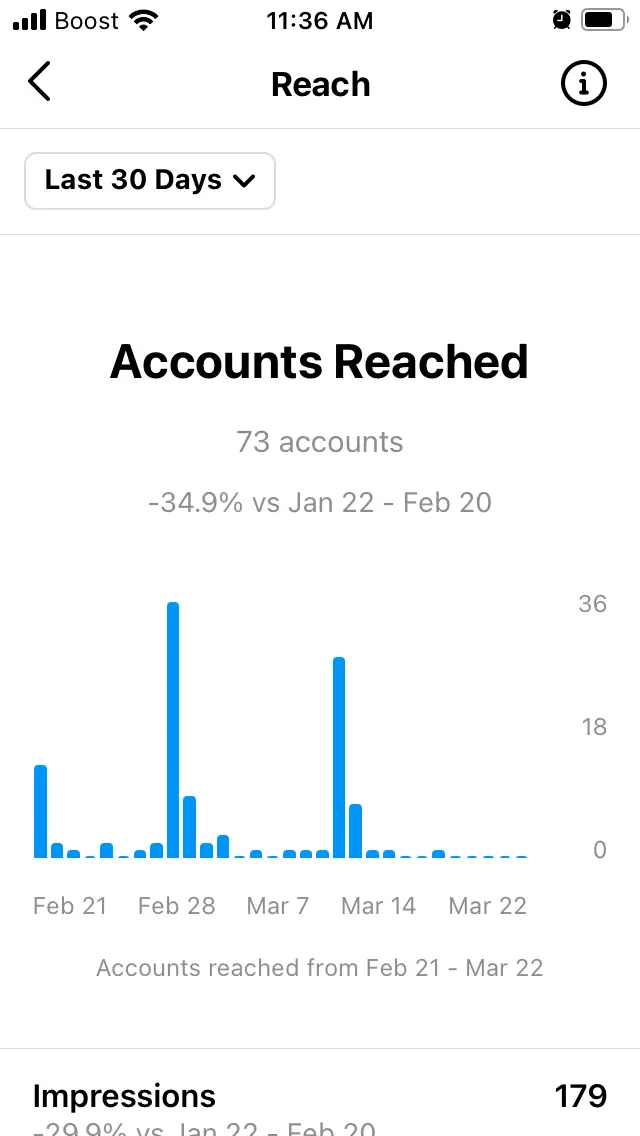
The number of unique users who watched your content. This will help you to get an idea of how wide your brand’s exposure is.
- Engagement Rates:
 theonlineadvertisingguide.com
Measures the engagement (likes, shares, comments, and clicks) with your content. High engagement — your audience is actively connecting with your brand.
The Bumps in the Road
Instant results are what you may want to see in your upper funnel, but it’s a long-term play. It can take time to build awareness and recognition, which means ROI is even harder to measure right away.
Here’s what to watch out for:
- Long Timelines: Results from upper funnel activities don’t just appear overnight. Brand awareness campaigns can take a while to fully see results.
- Indirect Impact on ROI: If you’re aiming for awareness and education, you may not see the sales come right away. However, only when customers move closer to conversion does the funnel deliver the consistent payoff you seek.
The Lower Funnel: Closing the Deal
This is the last step before conversion, in which leads are nurtured, confidence is created, and finally, customers are led to make a purchase.
Goals that Drive the Funnel Forward
The goal is to turn interested audiences into dedicated customers. This is where you concentrate on closing and engaging with the ones who demonstrate interest and ensure you close the deal.
- Generating Leads:

blog.hubspot.com
Being able to capture detailed information about potential customers close to making a decision.
- Nurturing Prospects: Personalization will help enrich the relationship with leads and guide them to a purchase decision.
- Securing Conversions: An art of engaging prospects and converting them to pay them customers.
Winning Tactics: Strategies for Upper Funnel Success
Once you have attracted leads, it’s time to nurture and convert them. These are how you can move those leads from the lead column to the customer column.
- Retargeting Ads: Second chance to re-engage visitors interacting with your brand but not converting. And retargeting keeps your brand at the forefront. A study claims that retargeting ads can increase your conversion rates by 150%.
- Email Campaigns: Email campaigns have an ROI of $42 for every dollar spent, which makes email campaigns one of the most powerful tools for driving conversions. Personalized emails addressing a lead’s interests or actions can help boost engagement and drive sales.
- Conversion Rate Optimization (CRO): CRO ensures your website and landing pages are ready for business to convert visitors into customers. So, small tweaks like simplifying the checkout process or better placement of the CTA will quickly improve your conversion rate.
Here’s an example of Casper’s product pages — featuring some of the CRO (conversion rate optimization) tactics that the brand employs to achieve sales.

semrush.com/blog
Tracking Triumph: Metrics that Matter
How do you know that your lower funnel efforts are working?
You don’t know where you’re failing unless you track key performance indicators (KPIs) that give insight into how good or bad you are at converting a prospect into a paying customer.
Here’s what to focus on:
- Click-Through Rate (CTR):
seobility.net
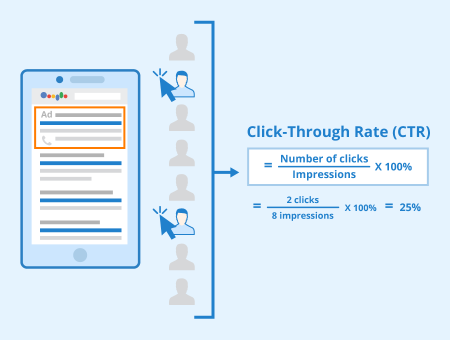
It’s a measure of how many people clicked on your ad or email so you can evaluate the success of your messaging.
- Cost Per Acquisition (CPA):
 blog.hubspot.com
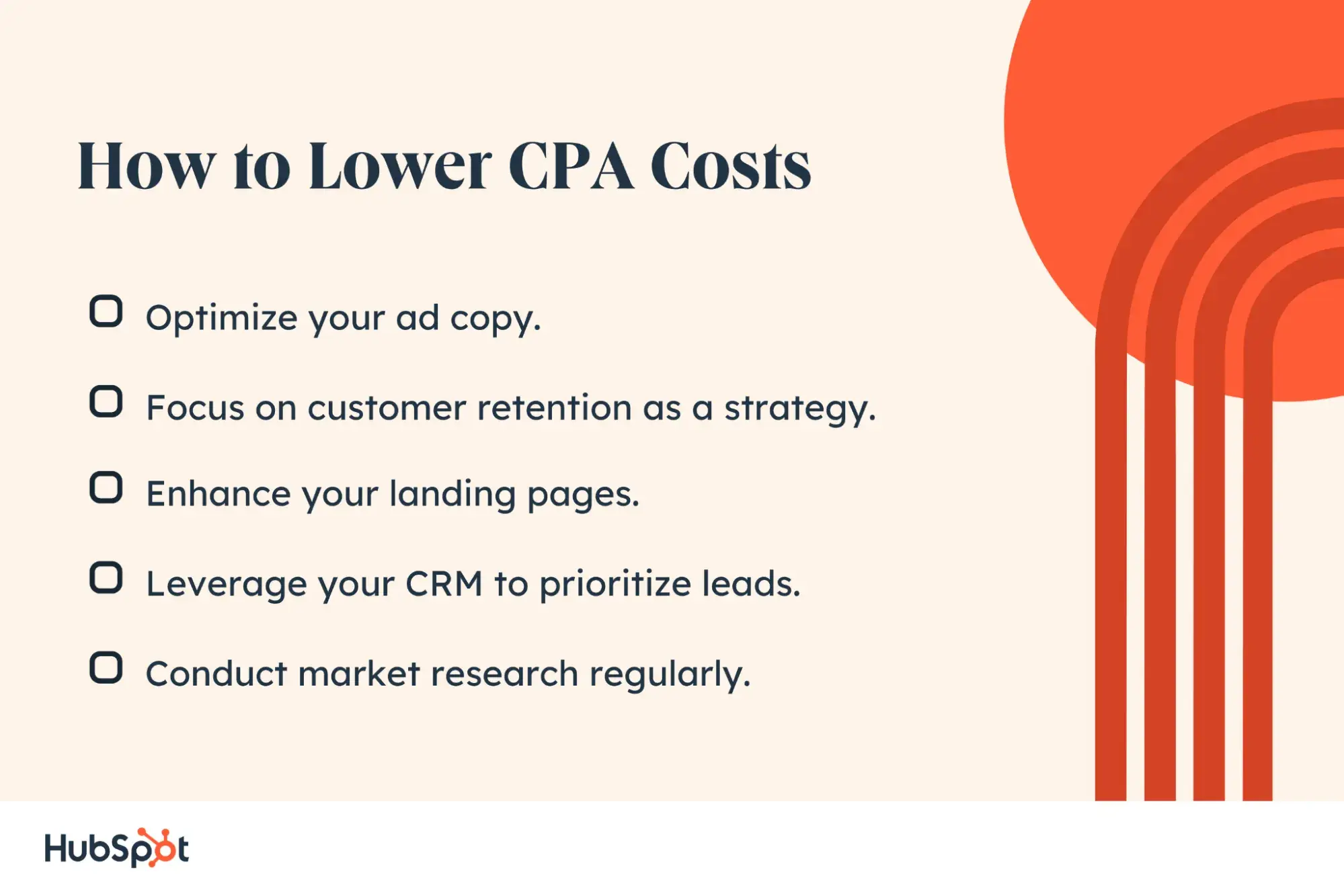
It tells you how much it costs to acquire a customer, helping you determine your campaign’s return on investment. If the CPA is lower, it implies that the efficiency is higher.
- Sales: How many conversions (or sales) did your campaigns generate? This is the definitive measure of lower funnel success.
The Bumps in the Road
Long-term success depends upon avoiding certain missteps in the lower funnel, which is all about closing the deal.
- Over-reliance on Direct Response: It’s not healthy for the business to put too much emphasis on quick sales and lose focus on the greater story of building a brand. Driving conversions is crucial, but fostering relationships is equally vital for generating repeat business.
- Neglecting Brand Loyalty: The emphasis on the immediate transaction can lead to ignoring the customer after the purchase. Valued customers make great brand advocates, creating future growth.
Funnel Face-Off: Upper vs. Lower – Which One Wins?
Marketers are often caught at a crossroads, confused between the upper funnel’s magic and the lower funnel’s practicality.
While all approaches have their merits, the real question is, where should you focus your efforts to get the highest returns?
Why Marketers Feel Torn Between the Two
Awareness creation is the responsibility of the upper funnel, getting your brand known to a larger audience. Marketing is the exciting, creative part, where you introduce your story to the world. But here’s the catch: It might create a ton of impressions, but the results often feel intangible, and turning those efforts into sales takes a while.
Conversely, the lower funnel drives those high-quality conversions: that awareness you’ve built into action. Yet, by hyper-focusing on conversions, you risk neglecting long-term brand building, which is ultimately necessary for business growth.
This is a delicate balancing act. For marketers, the challenge is: when do you need to step back on one funnel to prioritize the other?
Why the Upper Funnel Deserves the Spotlight
The holy grail of many marketers is the top funnel. If you focus on awareness, you’re casting a wider net and putting the groundwork down for future engagement.
The upper funnel is key to attracting new customers and keeping your brand on the buyer’s tongue. Awareness early on will lay the foundation for long-term, sustainable success so that you’re the go-to brand when the prospect can be decided.
Sealing the Deal: Focusing on Conversions in the Lower Funnel
The upper funnel lays the groundwork in the marketing funnel, while the lower funnel is where the magic happens: awareness becomes action. For brands with existing audiences, the quickest way to see returns is by focusing on conversions.
This is where data-driven strategies like retargeting ads and personalized email campaigns are most effective.
Both funnels are crucial in the end. The art is knowing when to go with one another without breaking long-term relationships while moving them from awareness to action.
From Debate to Collaboration
The debate between the upper and lower funnel shouldn’t be considered a competition but a collaborative partnership. Rather than focusing on ‘upper vs. lower,’ marketers must consider ‘upper & lower’ — two sides of the conversion funnel that work together to drive conversions.
By balancing the two, marketers can create a flow of sustainable leads through both stages of the journey. Finally, the key takeaway is to get out of siloed thinking and promote team collaboration.
You’ll need sales, marketing, and customer success departments to create a seamless funnel to achieve this. It’s time to put debate behind us and focus on collaboration for more tremendous success.

About the author: Vibhav Gaur, Business Head
Vibhav Gaur leads strategic operations and business growth at the organization. With a strong background in digital transformation and customer-focused solutions, he has helped numerous clients streamline their web presence and scale efficiently. His leadership ensures seamless execution across teams, with a commitment to delivering results and fostering innovation in every project.


