

Success in SEO isn’t about luck—it’s about strategy. Competitor keyword research offers a secret weapon, giving you insight into the exact words driving traffic to rival websites.
You’re looking at what’s inside their playbook, but you’re not playing their game; you’re rewriting the rules. According to Ahrefs, 90.63% of web pages receive no traffic from Google.
The reason?
Poor keyword targeting. Knowing your competitor keywords puts you ahead of this curve and places your content where your audience is searching.
Don’t guess; use rich insights to upgrade your approach. By understanding competitor keywords, you can find new opportunities, boost potential rankings, and make your brand stand out in a noisy business.
Every successful campaign is built on smart research. Understand what’s working for others and learn how to use that knowledge to develop your own competitive edge.
So, are you ready to be first in line for SEO success?
Cracking the Code: What Competitor Keywords Can Teach You
Competitor keywords are the search terms that help push traffic to rival domains and make them gain SEO success. But here’s the twist: these keywords are not just theirs. These are opportunities for you to take.
Why are they game-changing?
However, research by Backlinko shows that 0.63% of Google searchers click through to links from the second page. This demonstrates why it is imperative to rank high for the right keywords. Competitor keyword research frees you from the guesswork by showing you what your audience is already searching for and how your competitors are winning (or losing).
It also helps you know about content opportunities. For example, if your rival ranks for ‘vegan protein recipes’ but doesn’t have video content, this becomes a great opportunity for you to enter the fray with a visually engaging YouTube video series that targets that same keyword.
It’s not about imitation— it’s about innovation. It’s actually about making their success your competitive advantage.
Digital Treasure Maps: Tools to Uncover Competitor Keywords
The secret of finding competitor keywords is having the right tools, such as your digital treasure maps. SEMrush, Ahrefs, Ubersuggest, and SpyFu understand the SEO mystery and turn it into actionable insights, helping you to find the search terms your competitors are using for success.
Imagine you’re using SEMrush: Type a competitor’s domain. It will then show you their top keywords, traffic data and even the difficulty score of the keywords.
With its massive database that contains over 28,7 billion keywords, Ahrefs provides backlink profiles and content gaps. Ubersuggest is an easy interface for finding high-value keywords with low competition, while SpyFu will show you what your competitors are advertising as keywords used for paid keyword inspiration.
The Winning Formula: Matching Keyword Potential with Intent
 moz.com
Every keyword has a story, and you have to understand its purpose and difficulty before coming up with the right SEO strategy. Keyword difficulty (KD) is a metric measuring how difficult it would be to rank for a term, and search intent indicates user intent for a query.
 semrush.com/blog
Tools such as SEMrush and Ahrefs provide the KD score on a scale of 0 to 100. Easier competition has lower scores.
For instance, targeting “easy vegan recipes” (KD: 20) may produce quicker results than “best vegan recipes” (KD: 75).
The goal?
Find a balance between competitiveness and relevance.
There are three categories of search intent:
- Informational: Queries such as ‘how to bake bread’ suggest that users are looking for knowledge.
- Navigational: The terms “Netflix login” are meant to find specific sites.
- Transactional: Keywords such as “buy running shoes” reflect the customer’s desire to buy.
- Commercial: Search terms like “best smartphones 2024” or “top-rated laptops for gaming” indicate they are in the consideration phase, weighing choices prior to a purchase decision.
Spotting the Real Rivals: Who’s Stealing Your SEO Thunder?
Not all competitors are created equally—your most vicious SEO rival may not even sell the stuff you offer. To identify true SEO competitors, it’s not enough to think about business similarities; you have to look at the search results pages (SERPs).
Look Beyond Your Industry: Identifying the Real SEO Competitors
 moz.com
In SEO, your fiercest competitors aren’t necessarily your direct competitors who sell the same product. The real rivals, however, sometimes are content creators, influencers or unrelated industries that are simply ranking for your keywords.
Sit down and dive into your search results for your core keywords. Your business competitors aren’t the top-ranking websites – they’re the ones stealing your customer’s attention.
For example, a boutique pet store might compete with lifestyle blogs or e-commerce giants Amazon for terms like ‘best dog collars.’ Although these are not traditional direct competitors, they are stealing the same traffic.
For instance, a local bakery focusing on “best gluten-free cakes” can discover that food blogs, instead of other bakeries, top the search rankings. Knowing this lets you know what to do differently to adjust your strategy, which is to focus more on the targeted keywords and niche content.
By identifying the real SEO competition, you can get a fresh edge in the race for clicks!
Decoding the SEO Puzzle: Analyzing Competitor Keyword Data
Keyword analysis isn’t a step in SEO; it’s the core of a healthy digital strategy. The key is to find high-performing keywords and stay away from the irrelevant ones. It’s time to decode the strategies to optimize your keyword game.
Filtering the Gold from the Gravel
The key to success is to find out which keywords are actually important. Generally, the high-performing keywords have metrics with CTR over 3% and align with user intent. On the other hand, irrelevant keywords might bring traffic but are unable to hold users’ attention or convert them.
Capturing the Power of Long-Tail Keywords
backlinko.com
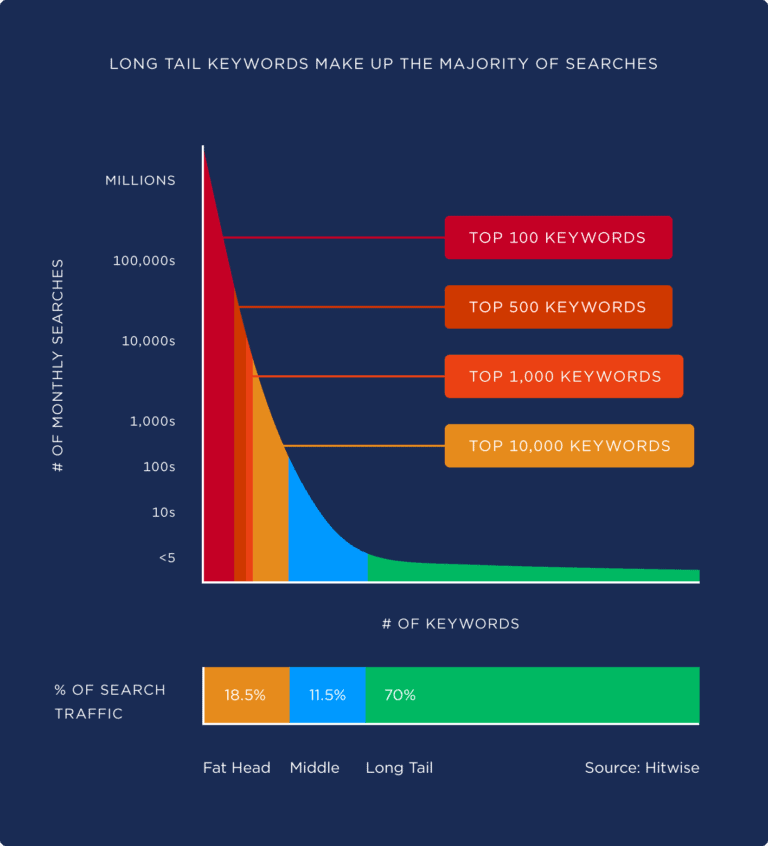
Hidden gems in SEO are long-tail keywords overshadowed by high-volume terms.
While not often searched, these multi-word phrases are extremely targeted and hyper-specific niches that you can attract with minimal searches and will yield highly valuable impressions by targeting audiences with genuine intent to engage or convert.
Long tail keywords, in contrast to broad keywords, are less competitive to rank for and convert better – in fact, up to 36%, according to a report. As an example, changing from ‘digital marketing’ to ‘digital marketing strategies for small businesses’ narrows the focus and also attracts users actively searching for bespoke solutions.
Winning the Keyword War: Strategies for SEO Victory
Competitor keywords are gold mines for insights, and choosing to use them well requires creativity and strategic finesse. Instead of merely replicating, businesses can develop original content that is far better than competitors and provides incredible value to its audience.
Borrow, Don’t Copy: Leveraging Competitor Keywords
Duplication of competitor keywords directly may trigger penalties or fall flat. The solution lies in adapting these keywords to suit your brand’s voice and goals. Competitor keyword performance is revealed by tools like Ahrefs or SEMrush, but your content must go further and fill in the gaps that your competitors could not reach.
Outshine with Tailored Content
Outshining content needs more research on what the audience wants and how to tailor the content to exceed the expectations of the desired audience. Detailed guides, new visuals, and interviews from experts help you create something of more value than your competitors.
Optimizing Across Platforms
 britopian.com
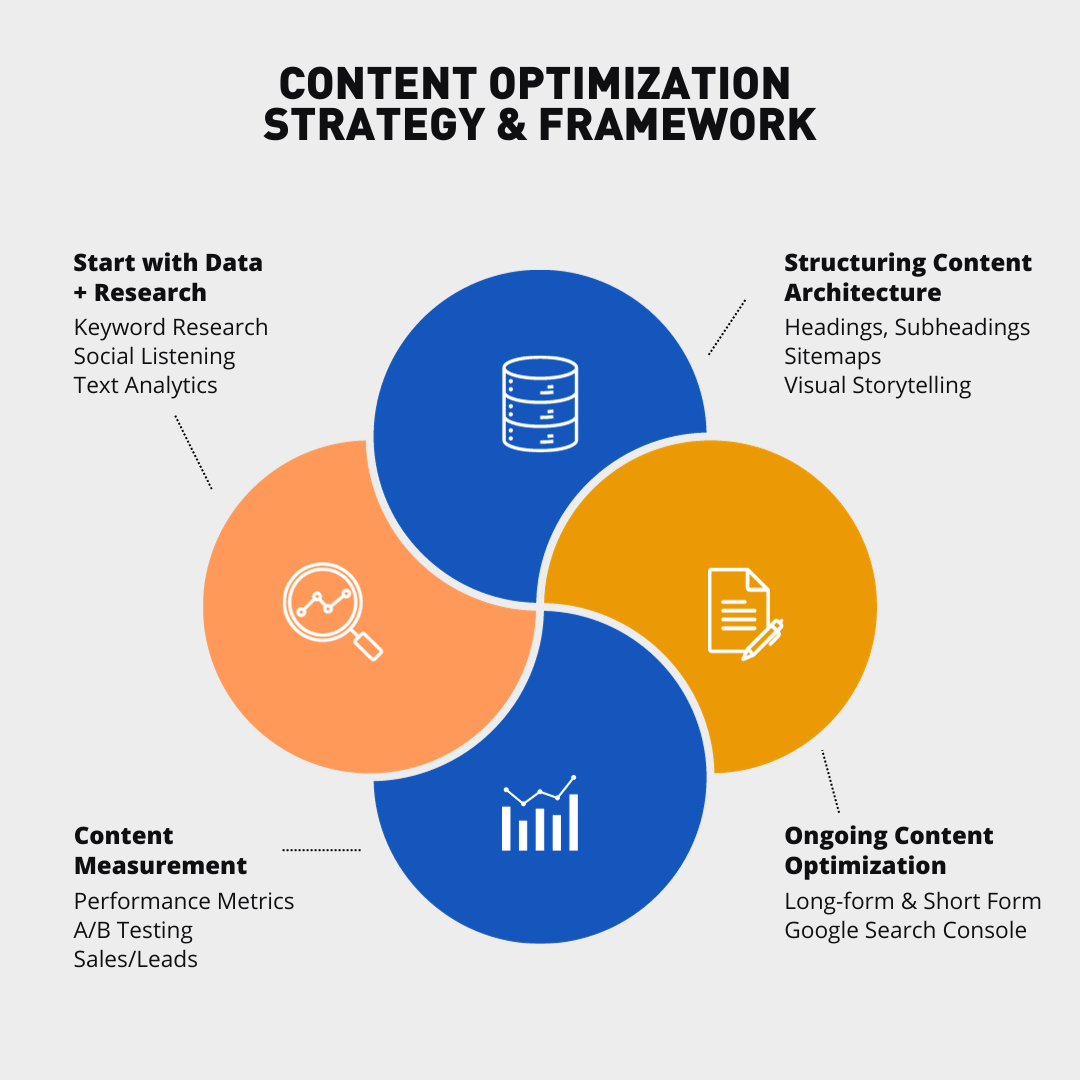
Content optimization is not limited to blogs. Actionable headlines and strong CTAs, with keywords blended in naturally, are what make landing pages optimized. Long tail keywords should be included in your social media posts, which should include engaging visuals with relevant hashtags to enhance visibility.
For blogs, use keywords within headers, meta descriptions and alt text. Content that ranks on the first page of Google averages about 1,447 words, which means you need longer, in-depth articles.
Staying Ahead: Fine-Tuning Your SEO Game Plan
The success of SEO isn’t static; it is an ongoing experiment, analyzing what didn’t work sufficiently and then refining it. Since there is no end to the changes that search algorithms experience and user behavior evolves, so staying ahead requires a strategy that’s as flexible as possible and changes in real time.
Measuring What Matters
The first step towards tracking keyword performance relies on the right tools. Using Google Analytics, you can see metrics such as traffic sources, bounce rates, and session durations and with Google Search Console, you’ll see keyword ranking and click-through rates.
Keywords with high impressions and low CTR might mean content misalignment or that the meta description isn’t quite so compelling.
Embracing Change
Google makes hundreds of changes to its search algorithm every year. Yet, you have to stay vigilant to be agile.
Keyword strategy, too, has its trends. For example, voice search queries like ‘Where can I find eco-friendly running shoes?’ have started gaining momentum, wherein 71% of people prefer to search in conversation rather than keyboard input.
This makes it relevant to adapting the contents to natural language queries.
Re-evaluating Competition
Competitors change, and it is important to keep pace with them, which at times means re-evaluation. Ahrefs or SEMrush will reveal the new targeted keywords and point out shortcomings. If you find any of your competitor’s content depths, that becomes your chance to do better than your competition.
Mistakes That Undermine Your Strategy
The first thing to create an SEO strategy is you need to master the art of balance and originality. Then think about common missteps like keyword stuffing, copying competitors, and forgetting your brand’s voice — all of them are deadly, blowing potential wins to nothing.
The Keyword Trap: Overstuffing Your Content
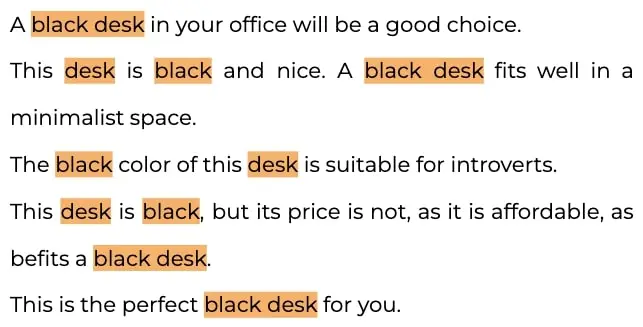
While it sounds like a simple way to get more rankings by stuffing your content with competitor’s keywords, search engines don’t see it this way. Keyword stuffing is punished by Google; stick to relevance instead.
Here’s a nice example of an overload of keyword content:
 simongorlak.com
Copy-Paste Disaster: The Risks of Replication
Copying competitor content hurts your credibility and is against copyright rules. Originality is key. The idea here is to inspire innovation by competitor analysis, not duplication.
Losing Your Voice: Brand Identity Matters
SEO isn’t just about keywords; it’s about engaging with your audience. Ignoring the uniqueness of your voice results in a forgettable brand. Building trust with consistency will cause customers to trust you enough to convert.
Turn Rivalry into Results
Your SEO strategy needs competitor keyword research. If you know which keywords are working for your competitors, you can discover gaps, adjust your content, and aim for higher-yielding ones to assist in your rankings.
It’s not about copying ‘stuff’ but about innovating with a data-driven approach, positioning you ahead of the curve.
Want to level up your SEO game?
Begin by looking at the top keywords of your competitors using Google Analytics, SEMrush or Ahrefs. Optimize your site, craft unique content that outshines theirs, and track the results. Keep it agile with an ever-changing SEO landscape by regularly updating your strategy.

About the author: Vibhav Gaur, Business Head
Vibhav Gaur leads strategic operations and business growth at the organization. With a strong background in digital transformation and customer-focused solutions, he has helped numerous clients streamline their web presence and scale efficiently. His leadership ensures seamless execution across teams, with a commitment to delivering results and fostering innovation in every project.


