
What once looked like a quirky play for corner shops is now the bare minimum if you want eyes on your business in Google’s AI-first search era. At Google I/O 2025, the team made it clear: local signals are no longer passive filters; they push, pull, and curate the very listings people see, trust, and click on.
Local SEO has upgraded from a side tactic to a heartbeat of real-time discovery.
Enter Agentic Geo Features- Google’s new suite of hyper-local intelligence tools built into its Search Generative Experience (SGE). Search results are now driven by micro-location data, neighborhood behavior patterns, and moment-specific user intent.
For brands and their stewards, this new lens rewrites the rules overnight. If your content isn’t built for hyperlocal context through schema, partnerships, and real-time relevance, you won’t just fall behind. You’ll vanish.
Businesses that chased hyperlocal phrases and kept Google Business Profiles pristine landed 70 percent more slots in local packs and hooked mobile users’ 50 percent better than rivals using one-size city terms. This demonstrates that users now expect and respond to location-aware, intent-matching results.
Agentic Geo Features now mark the start of AI acting as a local guide, not just a search engine. To stay visible, your strategy must speak the language of place, time, and intent simultaneously.
So, before your brand disappears into the algorithmic abyss, grab an umbrella and dive into the full article because, in this new world of search, it’s not just about where you are but whether you belong there.
The Agentic Shift: From Location-Aware to Location-Driven

Google I/O 2025 marked a pivotal turning point in local SEO strategy. The search engine no longer just detects where you are—it now thinks locally first. With the introduction of Agentic Geo Features, location data has evolved from a passive filter to an active force in determining what content surfaced.
The latest study shows that 92% of searchers select a business from the first page of local search results.
The AI doesn’t just register your city or neighborhood; it pulls in hyper-specific, real-time signals like foot traffic, local event calendars, weather patterns, and even sentiment data from social chatter. These are layered with personal context—device type, time of day, and recent search history—to deliver results that are deeply relevant to you, in this exact moment, in this exact place.
Search “outdoor yoga near me,” and instead of a static map, you might receive a dynamic snapshot: class times from nearby instructors, whether the park is crowded, if rain is forecasted, and even short-form content from local fitness influencers embedded directly in the result.
This is more than just personalization. It’s proximity fused with purpose—a blend of environmental awareness, intent prediction, and trusted local data.
For businesses and marketers, the implication is massive. If your content isn’t structured to reflect hyperlocal needs or doesn’t engage with regional trust signals—through schema markup, localized pages, or community presence—you’re not just less relevant. You’re invisible.
Agentic Geo Features are the new local gatekeepers. They decide which businesses, blogs, and brands make it into a user’s AI-generated snapshot of the world. If you’re not optimizing for this kind of contextual, location-driven discovery, you’re optimizing for a version of search that no longer exists.
In 2025, visibility belongs to those who live in the local layer.
Google’s Local Agents: What’s New?
With the rollout of Agentic Geo Features, Google now deploys location-based “search agents” that continuously analyze regional data and update AI overviews accordingly. These agents ingest local publications, user-generated content, and business metadata to stay constantly tuned to micro-moments of need.
Here’s how they work:
- Geo-Specific Ranking Modifiers – Google’s AI now tailors search rankings based on hyper-local demographic data, behavioral trends, and neighborhood-specific signals. Instead of treating all citywide searches equally, results vary by district, culture, and even recent community activity. For example, the same search in two adjacent neighborhoods may yield entirely different recommendations, shaped by local preferences, foot traffic data, and recent engagement.
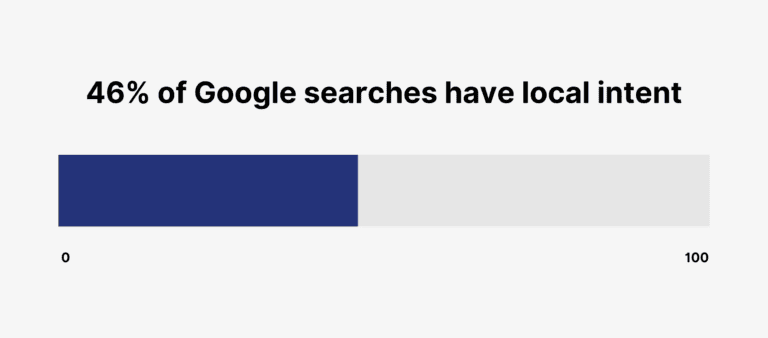
According to a study by Backlinko, 46% of all Google searches have local intent.
This shift means businesses must go deeper than just city-level optimization. To stay visible, your content must resonate with the people, language, and search habits of the exact areas you’re targeting—not just where you’re physically located.
- Live Contextual Prompts –Imagine this: you search “bike rentals,” and instantly, your screen offers up “Need a helmet nearby?” or “Trails open this weekend around you?” That’s not a coincidence—it’s the next wave of search, reimagined as a real-time, hyperlocal concierge.
Welcome to the world of context-aware search, where Google’s Search Generative Experience (SGE) isn’t just answering questions—it’s anticipating needs. Powered by live data like traffic, weather, and time of day, SGE follows your intent and adapts to the moment. It’s not just search; it’s conversation. It’s a connection. It’s your digital guide, right when you need it.
Now, here’s the catch: if your website isn’t offering location-smart, timely content, you’re not even in the running. These micro-moments—the spontaneous, AI-driven follow-ups—are shaping how people discover, decide, and act.
- Trusted Local Voices – Google’s AI now treats regional creators, blogs, and niche publications as key trust signals. Instead of prioritizing large national sources, SGE increasingly cites local experts—people embedded in the community who speak with cultural credibility. A restaurant blog with local traction or a neighborhood newsletter can carry more weight than traditional media.
These voices are essential because they align with user expectations in highly specific contexts. To earn visibility, brands must form real relationships with local thought leaders, collaborate on content, and secure mentions that prove they’re active, respected participants in the local landscape they serve.
The result? Search feels more like local concierge service than a global query box.
Local SEO in 2025: The New Non-Negotiables
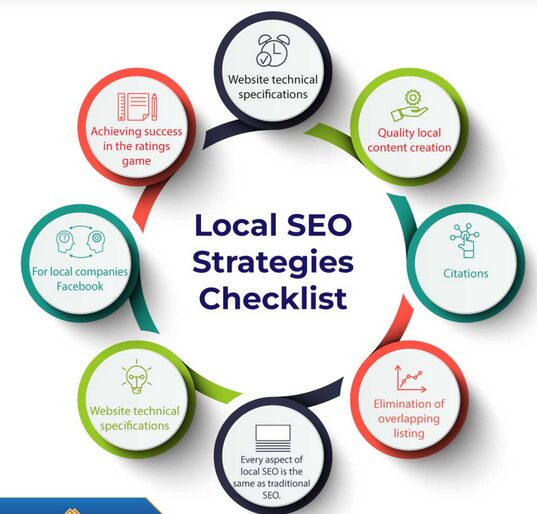
You’re not just optimizing for search engines anymore—you’re speaking directly to AI-powered agents who know where your audience is, what they want, and when they need it. In 2025, visibility isn’t about stuffing in keywords or chasing backlinks. It’s about being exactly what someone needs in the moment they need it, exactly where they are.
Welcome to the age of intent-first, location-smart content. Here’s how you stay seen.
1. Build with Geo-Intent First
Picture this: someone’s on the side of the road, it’s 11:47 PM, and they type, “emergency tire repair near me open now.” That’s not just a query—it’s a crisis in motion. And unless your content is written with that real-world scenario in mind, you’re not getting found.
You’ve got to think like the person, not the search engine. Start with the situation: Where are they? What do they need right now? Use headlines that answer real questions people in your service area are likely to ask. Add neighborhood-specific FAQs. Infuse metadata with urgency and locality.
2. Speak the Language of the Block, Not the Borough
Here’s the thing: a person in Bushwick doesn’t talk like someone in the Upper East Side. And an AI that’s tuned into street-level nuances knows the difference.
If your content feels generic, it gets filtered out. But if you’re mentioning that mural on Troutman Street or the bodega on the corner that sells the best empanadas? Now you’re speaking the local language.
Use local slang, name-drop familiar landmarks, and reference insider rituals. Match the tone and cadence your neighbors use on Reddit threads, TikTok comments, or group chats. Don’t just be local—be native to the neighborhood.
3. Use Schema to Feed the Agent, Not the Index
You used to write for Google. Now, you’re introducing yourself to an algorithmic concierge. And that concierge? It’s obsessed with structured data.
Schema markup isn’t just helpful—it’s survival. It’s how AI understands what you offer, when you’re open, whether wheelchair accessible, and whether you take Apple Pay. It’s how your content gets sorted, surfaced, and suggested.
So, get detailed. List it all.
Make your schema feel like your business’s dating profile: specific, honest, and optimized for a perfect match.
In 2025, if you’re not feeding the agent structured data, you’re starving your visibility.
4. Partner with Local Content Ecosystems
You can’t fake relevance anymore. The algorithm’s smarter than that. It doesn’t care if you’ve got a hundred backlinks from random blogs—it cares if the people who matter locally are talking about you.
Sponsor the community clean-up. Collaborate with the local parenting blog. Be featured in the neighborhood newsletter or interviewed on the indie coffee shop’s Instagram. These aren’t vanity plays—they’re signals.
In 2025, Google doesn’t just want to know that you’re nearby—it wants to know you belong. If your name pops up across trusted local sources, the AI sees you as part of the fabric of that place. And that gets you noticed.
Visibility Without Clicks: The New SERP Reality

With the AI layering results into snapshots, guides, and interactive follow-ups, traditional rankings are becoming less visible—even when you’re winning. Your brand might appear in:
- SGE Snapshots: Curated AI answers that quote your content or business metadata
- Local Prompts: Follow-up questions directly related to nearby needs
- Contextual Panels: Google Maps-driven insights, user reviews, and live data cards
- Source Mentions: Non-link citations embedded in answers that reinforce authority
Clicks might go down—but presence and influence go up.
Your job is no longer to chase traffic. It’s to become the voice that AI trusts enough to feature.
Case in Point: The Rise of the Hyper-Local Marketplace
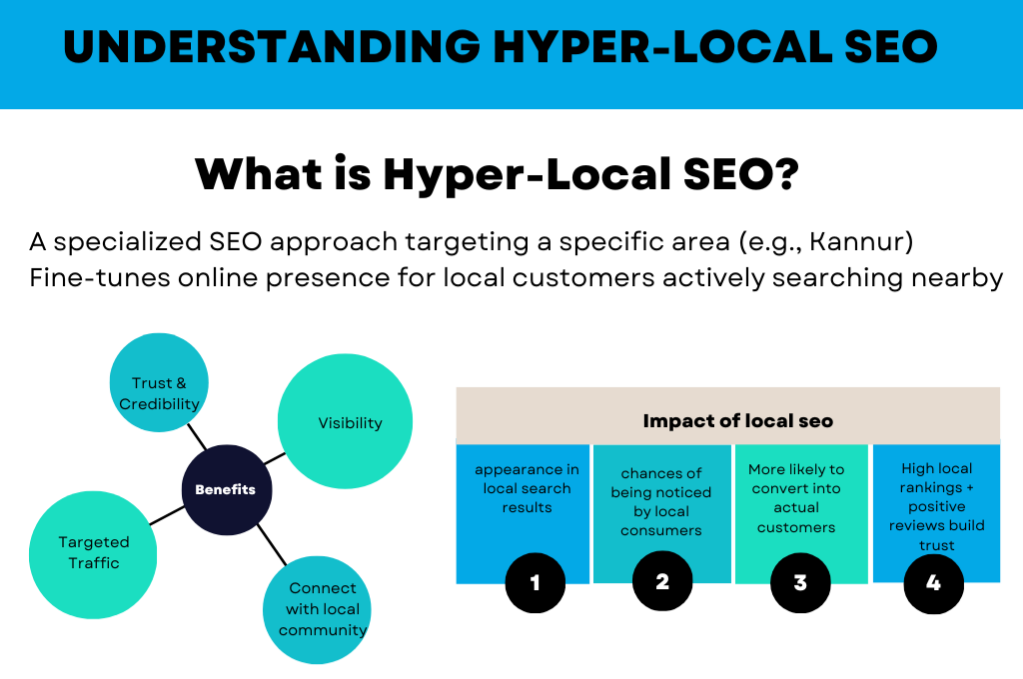
You’re not trying to be everywhere. You’re going deep—into one block, one town, one community bulletin board at a time. While everyone else is shouting into the void of the internet, you’re whispering the exact right thing into the AI’s ear.
Because in this new era of agentic search, it’s not about being big. It’s about being right here. Hyper-local. Ultra-relevant. Instantly useful.
You’re the go-to for last-minute babysitters in Greenpoint. You know where to get a dog-friendly brunch in South Pasadena without asking. Your platform doesn’t generalize—it pinpoints. It understands the moment, the slang, the street corner.
That’s your edge: structured content wrapped in real-world context, so when AI agents go looking for answers, you’re already waiting with the perfect one.
In 2025, this isn’t a side strategy—it is the game. You’re not reacting to what users search for. You’re anticipating what they’ll need before they know it themselves.
Rooted, Relevant, Ready: Thriving in the New Local Search Era
The future of local SEO is not only about optimizing pages—it’s about engineering presence. You’re not just trying to “rank.” You’re trying to be found by an AI that understands your customer’s world better than they do.
To thrive in this new ecosystem:
- Think local before you think of keywords
- Build for agents, not just algorithms
- Prioritize relevance over reach
- Treat your city, your street, and your zip code as your primary search environment
In 2025, the question isn’t whether you’ve optimized your content.
It’s whether your content belongs at the moment, inside the user’s lived experience, curated by the most powerful local agent in the world—Google’s AI.
Because now, search doesn’t just find you—it decides if you’re worth discovering.
Are you geo-relevant, or geo-invisible? The future of local SEO demands you to choose.

About the author: Vibhav Gaur, Business Head
Vibhav Gaur leads strategic operations and business growth at the organization. With a strong background in digital transformation and customer-focused solutions, he has helped numerous clients streamline their web presence and scale efficiently. His leadership ensures seamless execution across teams, with a commitment to delivering results and fostering innovation in every project.


