

Is your link-building strategy a threat to your website?
Yes, it can be – if not executed carefully.
Many businesses unknowingly adopt risky link-building practices that can lead to penalties from search engines, particularly Google. While the goal of link building is to improve visibility and rankings, the tactics used can backfire if they don’t align with the search engine’s quality guidelines.
Link building is an important aspect of SEO, helping you rise to the top of the search results, but it’s also an area where even a meager mistake can cause significant harm.
Imagine dedicating several months to a link-building campaign, only to wake up one morning to find that your site is nowhere to be seen in search results. Such a scenario is not unusual; numerous sites have suffered penalties after engaging in risky link-building activities.
As search engines become more advanced, the pressure to deliver results can lead even experienced marketers to flirt with risky tactics. Yet the risk, from top rankings loss to years of damage to the firm’s reputation, cannot be overlooked.
To avoid such pitfalls and safeguard your site’s reputation, read on to learn how to build links safely and effectively.
What Is Ethical Link Building?
Ethical link building, also referred to as white-hat SEO, includes techniques acceptable by search engine policies and places a greater emphasis on the quality rather than the quantity of links.
Unlike the other link-building strategies, ethical link-building focuses on creating valuable content and building authentic relationships with other websites.
In other words, it’s all about getting links by creating useful content people will want to link to naturally without having to use trickery. Introducing ethical link-building not only improves the credibility of a website but also sustains success in the long run.
Let’s see an example of how effective ethical link-building can be.
 backlinko.com
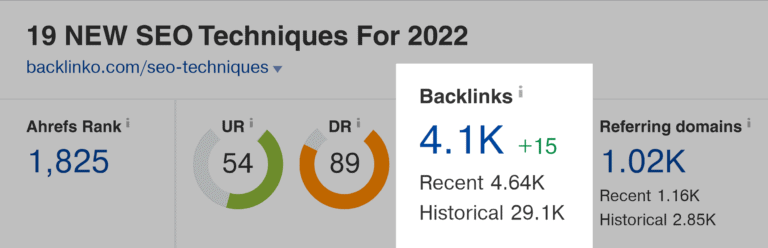
A standout case is the post titled “19 New SEO Techniques” by Backlinko. This article garnered a tremendous amount of shares and comments and became a significant link magnet, attracting over 4,000 backlinks.
This story illustrates why Google and other search engines prefer sites that acquire links naturally. By focusing on creating high-quality content, sites can achieve better ranking, more traffic, and sustained visibility.
The Rise of Unethical Practices
While ethical link-building remains very useful, the advancement in unethical practices remains a major challenge. Some widely used black hat techniques include purchasing links, linking to link farms, and employing automated link generators.
Such strategies may help get the desired outcome fast, but they are likely to be unprofitable in the long run and are very risky.
Let’s look at an example of unethical practice.
Link building, like other SEO practices, is not immune to unethical practices, and possibly the most famous example would be that of J. C. Penney in 2011. The business was penalized by Google after it was realized that they were employing prohibited methods to alter search positions.
During the 2010 holiday season, J.C. Penney dominated Google’s organic search rankings for a wide range of products. Their online marketing firm was so effective that they even surpassed other companies in searches for their brand.
For example, a search for “Samsonite carry-on luggage” led to J.C. Penney’s website appearing at the top rather than Samsonite’s.
The investigation revealed that their SEO firm had employed a black-hat link-building strategy that violated Google’s guidelines. They were using paid links and placing keyword-optimized links on hundreds, if not thousands, of unrelated websites.
Once the scheme was exposed, Google took swift action. Google issued a manual penalty on J.C. Penney, leading to a drastic reduction of their websites’ ranking in Google, thus affecting their business operation.
The business quickly went from ranking number one for various high-value keywords to plummeting to the 50th or 70th pages of Google ranking.
This example emphasizes integrating ethical standards to prevent severe consequences and loss of brand value.
The Risks of Venturing into the Gray Areas
Going for ethically dubious strategies in link building may appear more appealing because of the pressure exerted to increase the company’s search rankings. But, as the saying goes, be careful what you wish for because these tactics come with risks that can severely harm your website’s future success.
Below are some of the key risks associated with these questionable practices:
- Algorithm Penalties: Google and other search engines have been refining their algorithms to detect such unethical approaches and sanction them. Performing the gray hat SEO techniques can cause a massive shift down the rankings or even complete removal from the indexation list.
- Loss of Organic Traffic: Penalties can result in a noticeable drop in organic traffic, leading to decreased site exposure, fewer leads, and reduced revenue.
- Damage to Reputation: Using unethical link-building strategies can lead to search engine penalties and negative user feedback, making it challenging and time-consuming to restore trust and credibility.
- Unpredictable Outcomes: Gray-area strategies might seem effective now but could become obsolete, making their long-term effectiveness uncertain.
- Resource Wastage: Investing time and money in SEO activities that could result in penalties is not an efficient use of resources that are better spent on sustainable white-hat SEO practices.
Best Practices for Ethical Link Building
Ethical link building remains the bedrock of any long-term SEO implementation since it is a tried and tested method.
Here are some best practices to guide your ethical link-building efforts:
1. Create High-Quality, Shareable Content
It is essential to note that successful link-building begins with high-quality content. As MarketingProfs states, there are 2 million blog posts published daily, implying that to create valuable and viral content and share it on social networks, research, planning, and effective promotion are required.
To obtain high-quality links, your content must be informative, engaging, and valuable to the readers and potential clients. Content types that magnetically attract natural links often feature:
- In-depth Guides and Tutorials: These are sources of information that offer detailed descriptions or possible answers to a given question.
- Original Research and Data Studies: Any information that brings a fresh angle on industry developments.
- Infographics and Visual Content: One-third of marketers use infographics and illustrations when creating visual content. Thus, create appealing graphics that make the information more understandable and can be easily shared.
The Viral Dress Phenomena: A Case Study
 britopian.com
A significant example of shareable content is the dress circulated online in 2015. This was due to an optical illusion: Some people saw it as blue and black while others were sure it was white and gold, all this coming from a simple garment.
This piqued the global community’s interest and quickly went viral as people became obsessed. Years later, people are still discussing it on social media, showing how captivating content can be shared and remain popular even a year later.
2. Build Genuine Relationships
Link building should focus on cultivating relationships rather than merely acquiring links by engaging with industry leaders, bloggers, and other website owners through:
- Networking Events and Conferences: Collaborate with current or prospective link partners through industry events and conventions.
- Social Media Engagement: Engage with the profiles of relevant people and join groups and conversations on Twitter, LinkedIn, and sites related to the field.
- Personalized Outreach: Send personalized messages to influencers and website owners, showing that you are interested in their content and how your content would benefit their audiences.
3. Leverage Guest Blogging

So, why should you consider guest blogging?
Just look at Job Cooper’s success story!
When he published “The Complete List of Link Building Tactics” on Moz, it wasn’t just about getting traffic – he scored nearly 400 hits from that single guest post. Moz even featured it on their homepage, and weeks later, Job was still pulling in 10-20 visitors daily from that article.
But the benefits didn’t stop at traffic. Jon also landed two new clients through that post, even though he had to turn aware of more opportunities because he was so swamped. Imagine that – traffic, links, and new business all from one well-placed guest post.
Guest posting stands out as the best and most proven method of acquiring high-quality backlinks and contributing to other websites. A survey by SEMRush shows that 53% of digital marketing specialists admit that guest blogging is the best way to create a backlink profile.
In order to make your guest blogging more ethical:
- Choose Reputable Sites: Direct efforts to relevant high-authority websites in your industry with the right audience.
- Offer Value: Contributing your expertise and fresh ideas that will engage and benefit the host site’s audience.
- Avoid Overuse: Guest blogging should not be overdone, nor should it be utilized solely for link-building. Consider guest blogging as a strategic approach where guest posts make up a certain percentage of your content strategy.
4. Utilize Broken Link Building
Have you ever stumbled upon a website with broken links that just seemed like a missed opportunity?
What if you could turn those dead ends into valuable connections for your own website?
That’s where broken link-building comes into play.
This smart strategy involves finding broken links on other websites and replacing them with the relevant content of your website. Such a practice is mutually advantageous for both parties:
- Find Broken Links: Search for tools to help you find broken links on the relevant websites.
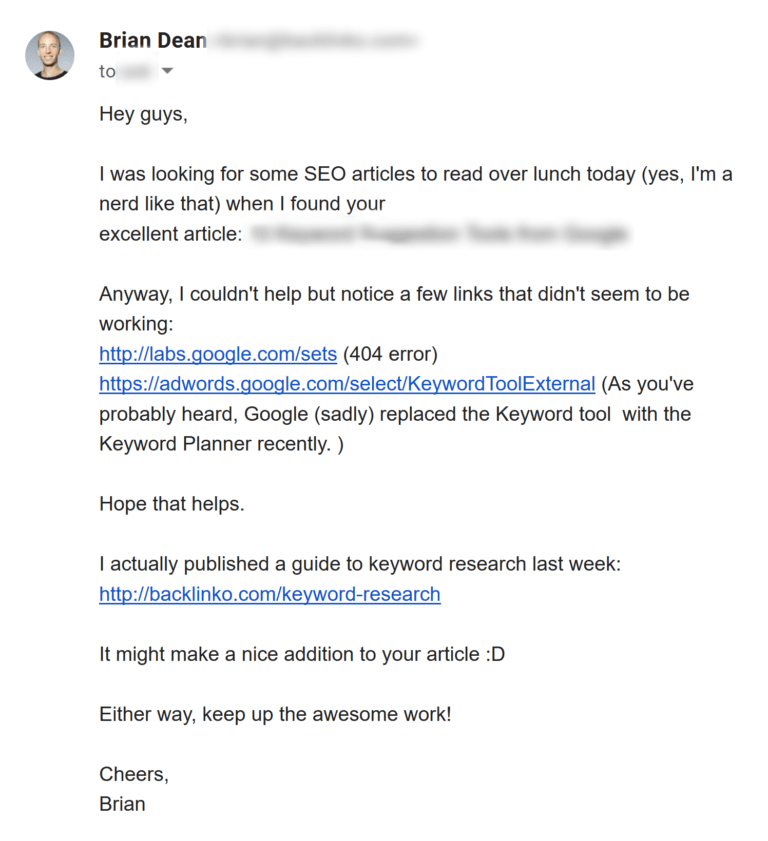
- Reach Out: Email the site owner or webmaster about the broken link. You can also recommend the content from your site as a solution. Here’s an example:
backlinko.com
- Offer Value: Make sure that the information you’re providing as a replacement is helpful and doesn’t seem forced when placed into the context of the original link.
5. Engage in Local and Niche Directories
Submitting your site to relevant local or niche directories can give you backlinks and help you get noticed in these communities. To make the most of directory submissions:
- Select Quality Directories: Concentrate on well-known directories in your line of business or geographic region.
- Ensure Accurate Listings: Ensure that the information provided is current and credible to improve the website’s reliability for users.
6. Foster User-Generated Content
Another source of ethical backlinks is user-generated content.
Let’s see how OnePlus leveraged user-generated content to shine.
 semrush.com/blog
Here is an example of user-generated content: OnePlus began the #ShotOnOnePlus program, inviting customers to share photos and videos taken with their devices on Instagram.
This campaign has created a large pool of high-quality UGCs showcasing the smartphone’s camera’s usability. Initially launched on social media, it has transitioned to other platforms using UGC in OnePlus community posts and blog entries to elicit more submissions.
If you’re looking to boost engagement and build a vibrant community, consider these strategies for harnessing user-generated content:
- Hosting Contests and Giveaways: Organize contests encouraging users to produce content or mention your website.
- Encouraging Reviews and Testimonials: Encourage satisfied customers to post their comments or feedback on your website or other sites and forums, which will help boost credibility and fine-tune your offerings.
Here’s one example from G2.com:
The user was happy to work with the project management tool Asana. Such reviews benefit potential consumers and product designers by providing insights into user needs.
 semrush.com/blog
7. Monitor Your Backlinks
 semrush.com
Backlinks should be reviewed periodically to ensure they are valuable and relevant to the site. Tools like Google Search Console and Ahrefs can help you:
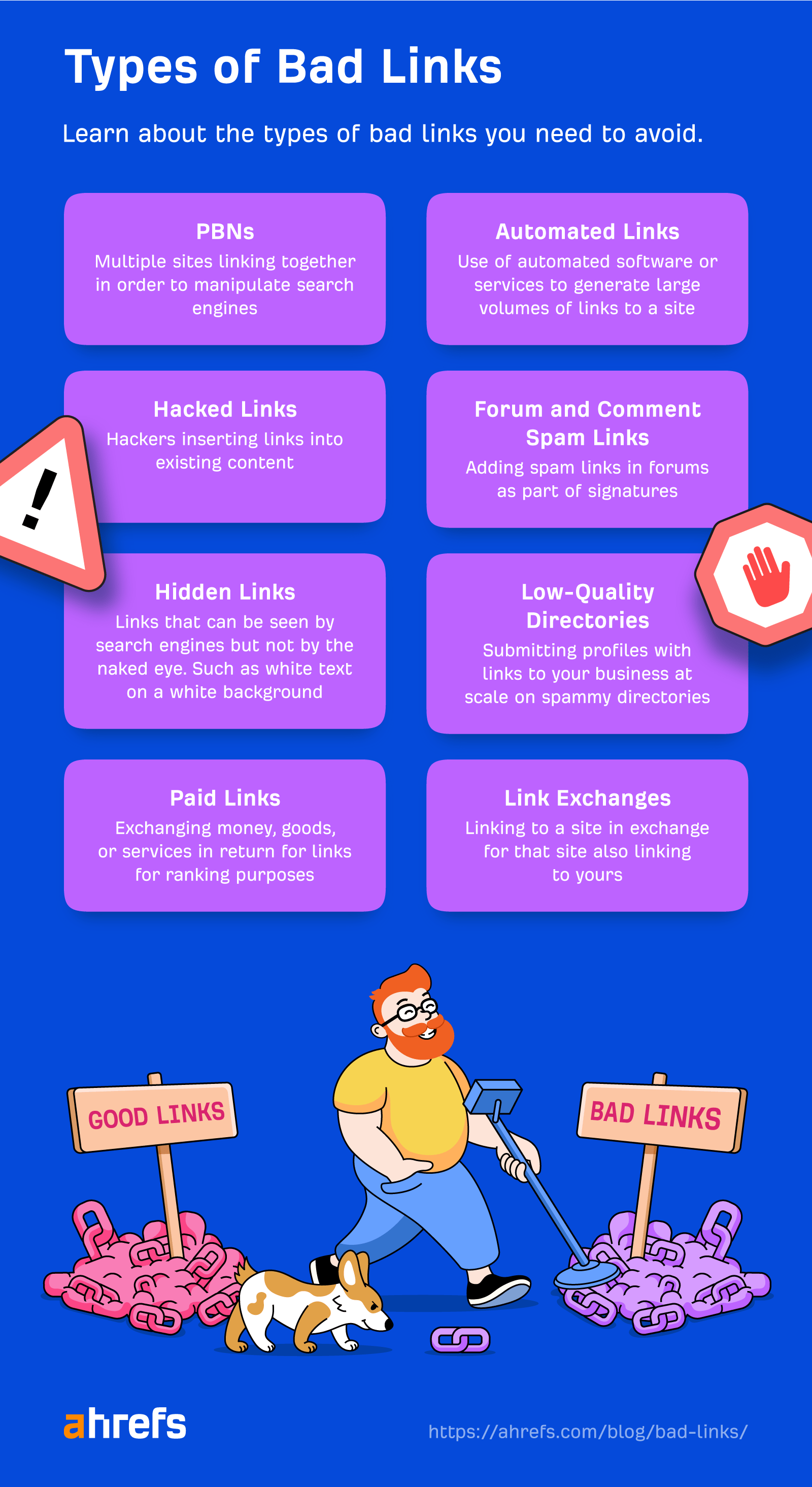
- Identify Low-Quality Links:
ahrefs.com
Remove all negative links irrelevant to your business or website to improve SEO ratings. Low-quality links are bad for SEO performance because they can trigger a Google penalty, reducing site ranking drops and organic visits significantly.
- Track Performance: Identify which link-building methods are more fruitful and modify your strategy correspondingly.
Tools to Avoid Link-Building Pitfalls
Staying ethical in link building is a challenge that requires a unique approach and tools. Here are some ways to ensure link-building does not violate search engine guidelines.
- Google Search Console
 www.semrush.com/blog
Google Search Console is like having a backstage pass to your website’s backlink profile. It provides you with a clear view of all the links pointing to your site, helping you spot which ones are high-quality and which ones might be dragging you down.
Plus, it lets you manage and disavow any low-quality links that could hurt your SEO. So, if you want to keep your backlink profile in top shape, this tool is a must-have.
- Ahrefs
 backlinko.com
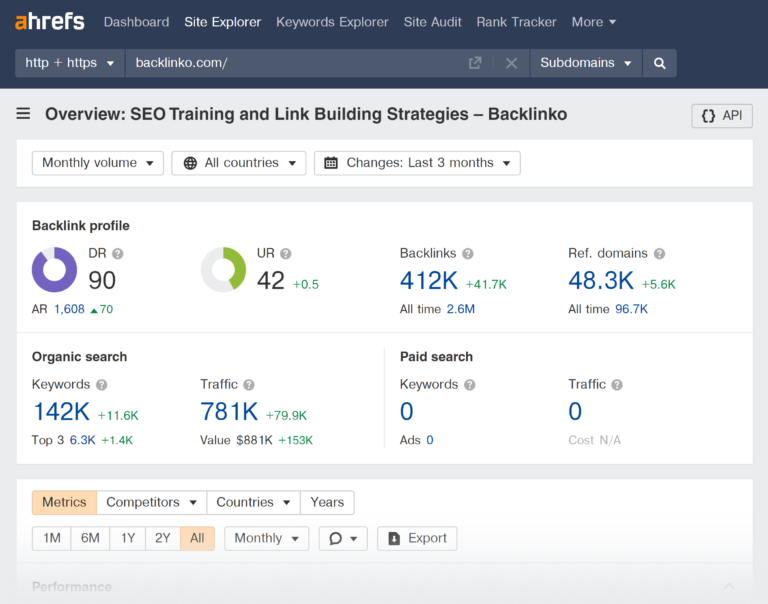
Ahrefs is like your SEO detective, offering a treasure trove of backlink insights. It lets you keep tabs on your link-building efforts, snoop on your competitor’s backlink strategies, and uncover any shady links that could affect your website performance.
With Ahrefs in your toolkit, you’re well-equipped to safeguard your backlink profile and keep your SEO game strong and ethical.
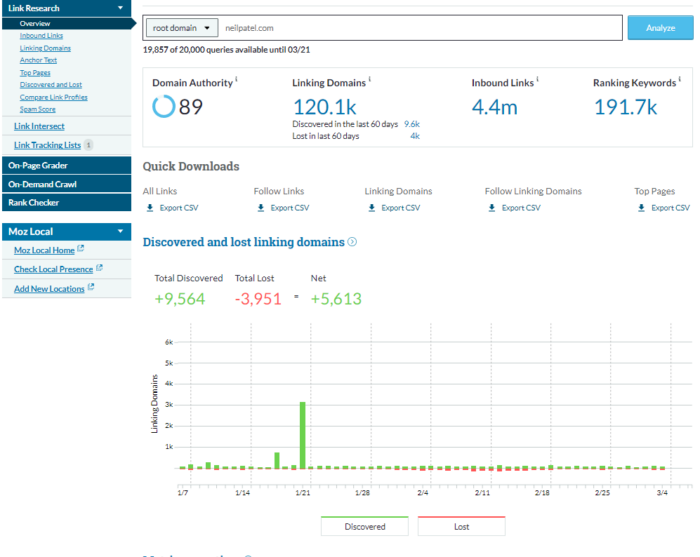
- Moz Link Explorer
 neilpatel.com
Think of this tool as your backlink quality inspector. It helps you assess the worth and relevance of the links pointing to your site.
With features like Domain Authority and Spam Score, you can easily gauge whether your links boost your credibility or add noise.
It’s your secret weapon for keeping your link profile top-notch and free from spammy surprises.
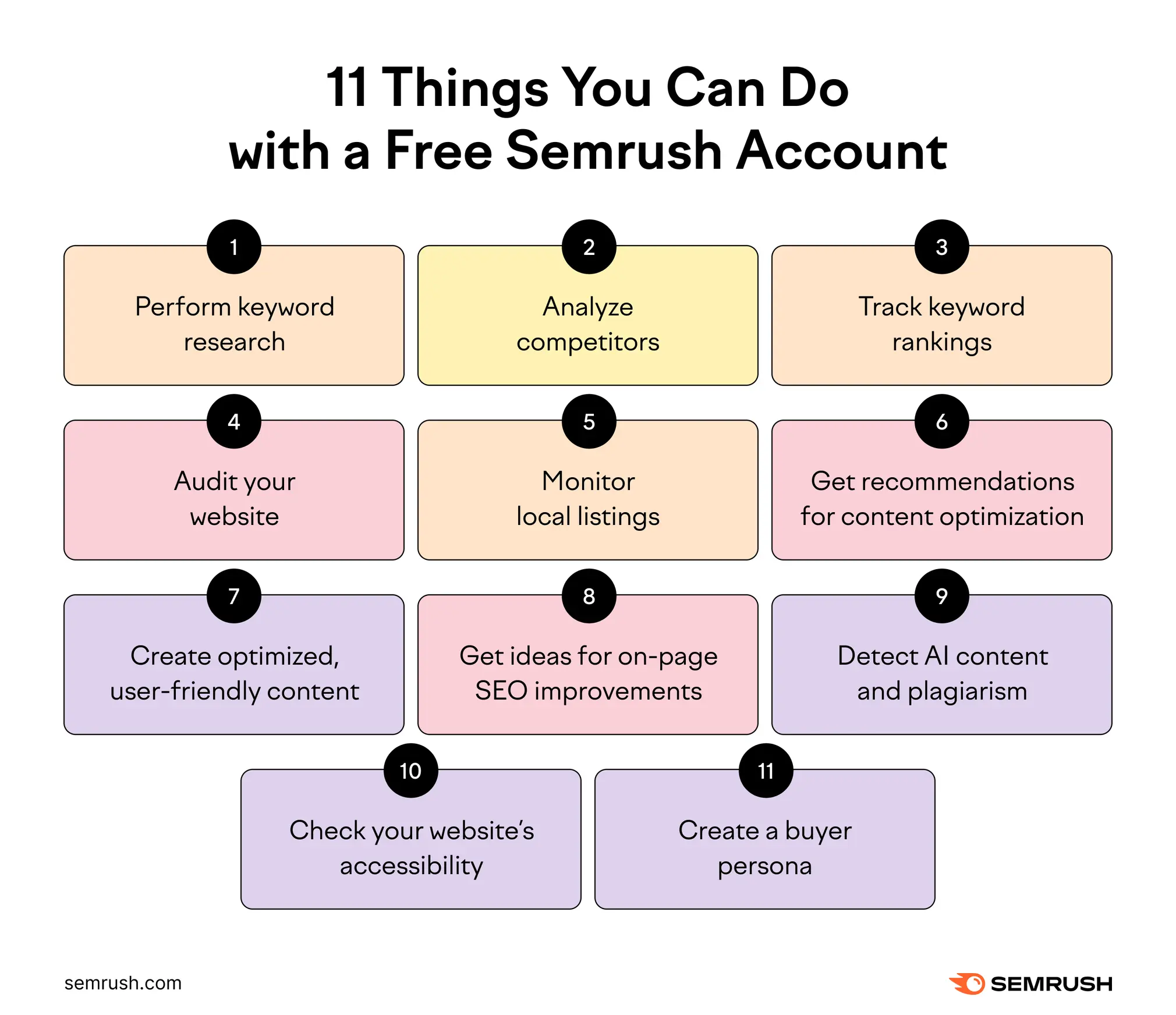
- SEMrush
 semrush.com
This tool is like your link-building assistant, helping you keep tabs on your backlinks and evaluate your link-building strategies. It also identifies any toxic links that could harm your site’s reputation.
With its detailed insights, you can monitor your link profile closely and make the necessary adjustments to keep your SEO efforts on track.
Maintaining Trust: Building a Reputation for Integrity
Sustainability is a critical factor in SEO, and this can only be attained by building trust with the search engines. SEO, however good it might be, needs a robust base built on the premise of trust.
Here’s why trust matters and how you can build and maintain it through ethical practices and transparent communication.
Why Trust Matters in SEO
 searchengineland.com
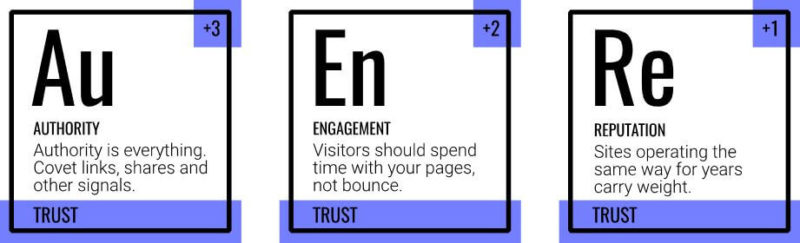
Trust is a cornerstone of SEO, influencing search engine rankings and user conversions. For search engines like Google, trustworthiness is vital in determining a website’s credibility and authority. Trust signals, such as high-quality backlinks from reputable sources and positive user engagement, contribute to higher domain authority and improved rankings.
From a user perspective, trust is equally crucial. Users are likelier to engage with and convert to reliable and reputable websites. This trust is built through consistent, high-quality content, transparent practices, and positive user experience. A trustworthy site can see higher conversion rates, increased repeat visits, and greater brand loyalty.
Balancing Strategy with Integrity
Maintaining ethical practices is essential for long-term success in the complex link-building world.
This blog explored the fine line between effective strategies and unethical practices, highlighting the importance of creating high-quality content, building genuine relationships, and staying informed about SEO best practices.
We discussed the risks of unethical practices and emphasized the value of transparency, authentic outreach, and regular audits to maintain trust and avoid penalties.
So, take a moment to audit your current link-building practices and ensure they align with ethical standards. Prioritize integrity to secure lasting success in your SEO efforts.
In the world of SEO, trust is hard to earn and easy to lose—how will you safeguard yours?

About the author: Vibhav Gaur, Business Head
Vibhav Gaur leads strategic operations and business growth at the organization. With a strong background in digital transformation and customer-focused solutions, he has helped numerous clients streamline their web presence and scale efficiently. His leadership ensures seamless execution across teams, with a commitment to delivering results and fostering innovation in every project.


