

Can you imagine doubling your sales simply by changing a few words around in your content strategy?
Sounds magical, right?
It’s not—it’s the power of buyer intent in action.
There are a lot of people, tools, websites, and ideas on the internet. Every user is lurking in their own areas.
Users “get around” the internet via search engines, which are straightforward tools. More than 8.5 billion queries are made on Google every day, making it the most widely used search engine.
Targeting the right keywords ensures you attract visitors who are ready to take action, turning your website into a conversion powerhouse. Your treasure map to digging up buyer intent keywords and turning them into conversion gold lies in this blog.
You will get actionable insights to attract the right audience, sell more, and stay in front of the competition.
Are you ready to tap into the secret to smarter marketing and higher profits?
Let’s dive in!
Keywords That Convert: Tapping into Buyer Intent
semrush.com/blog
Buyer intent keywords are the holy grail of digital marketing as they dictate how customers who might buy from you show up on the web. While generic keywords provide insight into the why of the word, buyer intent keywords add a peek into the why behind the search, making them indispensable to the strategy of selling.
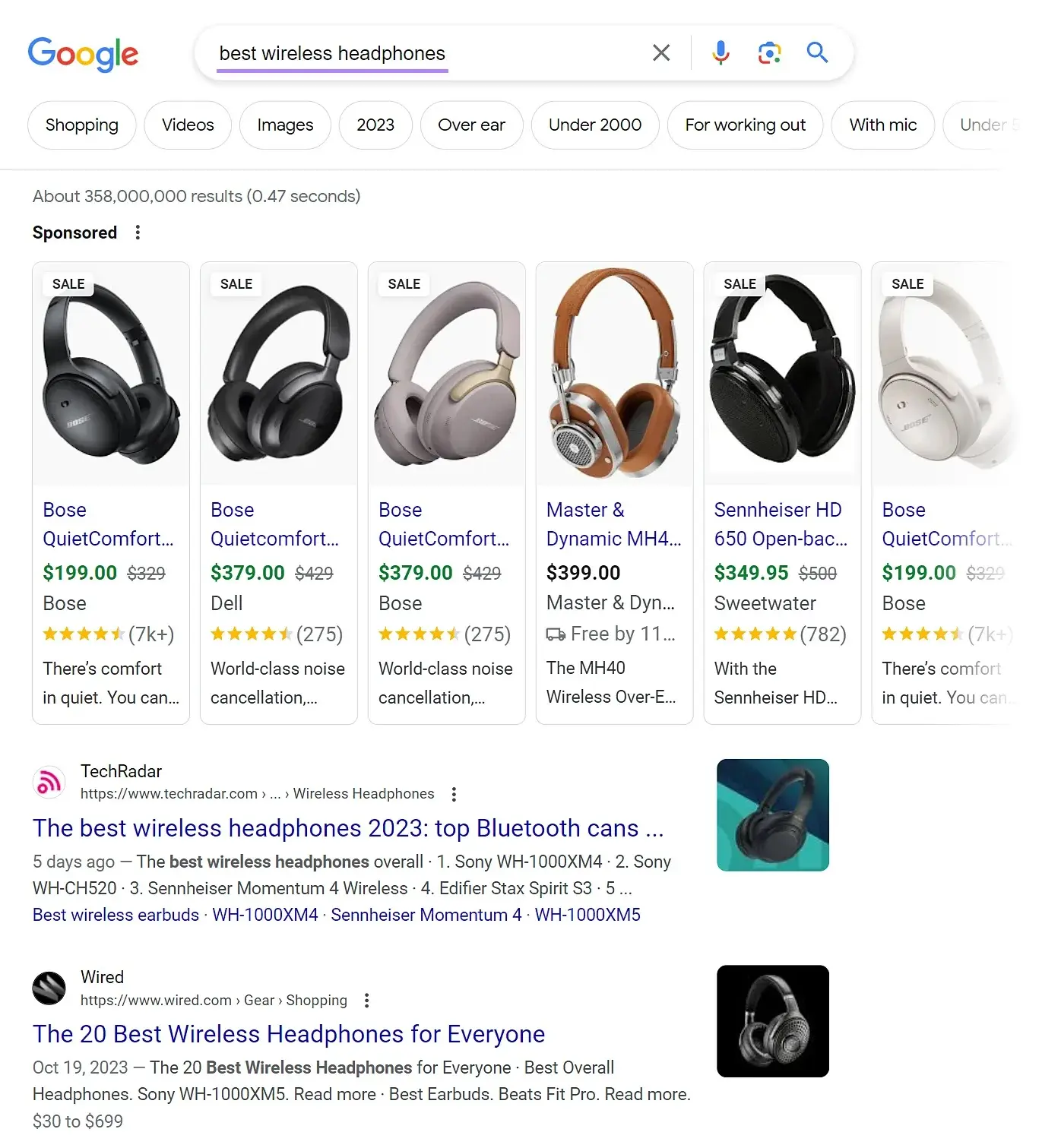
Search terms indicate if someone is in the exploration stage, trying to narrow it down, or is ready to buy. For instance, “Buy running shoes” tells you that a user is ready to take action, while “Best running shoes for beginners” suggests the user is seeking information and comparing.
Buyer intent is important because real-world data indicates it. As highlighted in a recent report from BrightEdge, 68% of all web experiences start on a search engine, and 53% of all website traffic is organic search.
According to another study by Think with Google, 76% of people who search for something nearby on their phone visit a business within a day — intent often translates into action.
The Psychology Behind the Search
A change in perspective is needed to understand the buyer’s intent. Digging a little deeper into the why is much more important than the what.
What would make someone search for “affordable laptops for students” instead of just “laptops”? Why are they making that choice?
This approach directly connects to the customer’s mindset. High-intent keywords like ‘Order organic coffee online’ generally imply a readiness to buy, while keywords like ‘health benefits of organic coffee’ suggest a willingness to find information but no immediate buying intent.
Being able to detect these nuances will allow you to write content and campaigns that truly speak to users at every point along their journey.
Intent to Buy: Why Targeting Keywords Makes All the Difference
 moz.com/blog
Why do some search terms convert instantly while others only generate traffic?
The answer might be in understanding intent. Buyer intent keywords tell you where a potential customer stands in their decision-making process.
If someone searches ‘Buy noise-canceling headphones, ’ the person is well prepared to make a purchase. Contrast this with “What are noise-canceling headphones,” which is a sign of interest but no immediate buying intent.
HubSpot notes that 75 percent of users never scroll past the first page of results, meaning it matters that your site ranks for the right keywords. Anticipating buyer intent keywords is like fishing with the right bait; you’re not gambling, just attracting the kind of fish you want.
Once you get the science of intent and align your keyword strategy, your marketing becomes more targeted and truly effective.
Words That Drive Action: Breaking Down Buyer Intent Keywords
Depending on how far the prospect is in their journey, buyer intent keywords can be categorized into four kinds. For a strategy that converts, it’s crucial to understand how they fit into the sales funnel.
1. Navigational Keywords: The Map to Conversion
 moz.com
Navigational keywords are the digital equivalent of asking for directions. Customers use these search terms to find a website, a product, or a service. Not only that but by targeting these keywords, you’re going to get high-intent users who are already planning to take action.
2. Transactional Keywords: The Golden Ticket to Immediate Sales
 moz.com
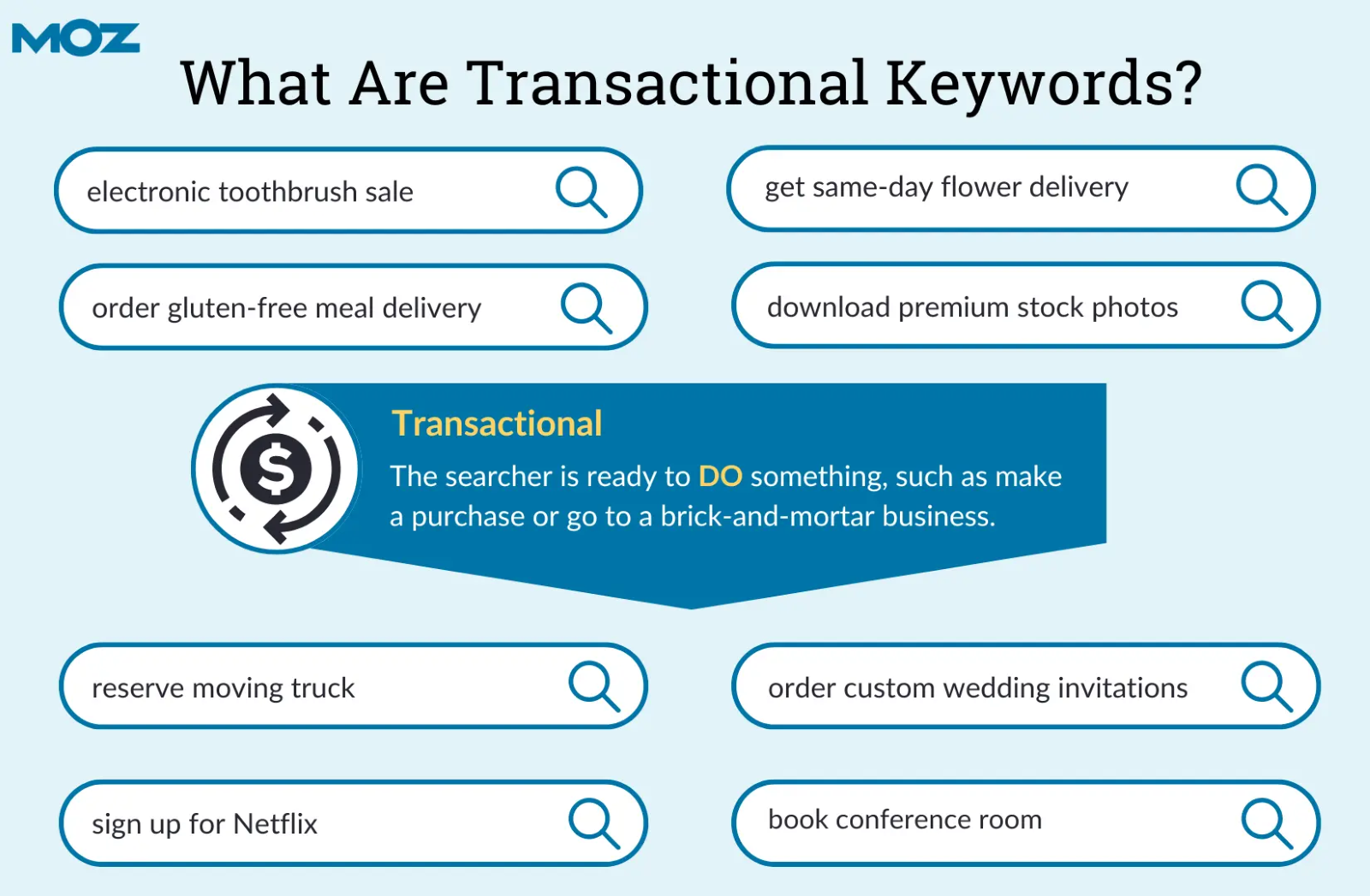
The magic happens with the transactional keywords. When used with phrases like ‘buy,’ ‘order,’ ‘purchase,’ and ‘discount,’ these terms communicate a clear desire to purchase. These are the keywords that drive the most conversions.
3. Informational Keywords: The Curiosity that Leads to Conversion
 b2bdigitalmarketers.com/blog
The first step of the customer journey is informational keywords, which are when users discover, research, and learn. These are the starting points for users in the awareness stage of the funnel.
Informational keywords won’t always lead to immediate sales, but they are important for building trust, connecting with potential customers, and moving them on to further stages in the funnel.
4. Commercial Keywords: The Research Before the Buy
 moz.com
Commercial keywords are the equivalent of a shopper zeroing in on a product on a shelf, comparing prices, features, or reviews. These are very valuable because they show that users have progressed to the consideration stage of the funnel, engaging on the site to evaluate their options before making a purchase.
These keywords differ from organic keywords because they are frequently accompanied by words such as “best,” “top-rated,” “reviews,” or “comparison,” signaling that the user is starting to narrow down their choices before making a decision.
Such keywords work really well because they target a user who has already identified their need and is in search of the best solution available.
Finding the Needle in the Haystack: Identifying Buyer Intent Keywords
Finding the right buyer intent keyword is like looking for a needle in a haystack — but once you do, you know a valuable traffic secret that will drive in the ‘right’ traffic and maximize your conversions.
But how are you supposed to teeter through this vast expanse of search terms to find those that matter?
Let’s find your needle in the haystack.
Step 1: Map the Journey—Know Your Customer’s Pain and Desire
 techtarget.com
The first step to identifying buyer intent keywords is to put yourself in your audience’s shoes. To find the exact keywords your customers will use, you must understand your customer persona.
First, do some research on your audience’s pain points, needs, and goals. Let’s assume, for example, that you’re in the business of selling fitness equipment; a customer persona could be someone looking to lose weight or build strength at home.
This helps you to understand the nuances of these keywords, and you target the right keywords that are relatable to your audience and their true intent.
Step 2: The Power Tools—Leverage Keyword Research Platforms
To find buyer intent keywords, you need the right tools. One of the treasure troves of resources that can uncover intent-driven keywords are keyword research platforms like Google Keyword Planner, SEMrush, and Ahrefs.
They give not only the search volume but also related keywords that represent user intent at each stage. For example, you can discover in SEMrush that users searching for “buy home gym equipment” are closer to converting, and “home gym ideas” are still just in the research phase.
Step 3: Competitor Spying—Learn from the Best in the Game
 moz.com
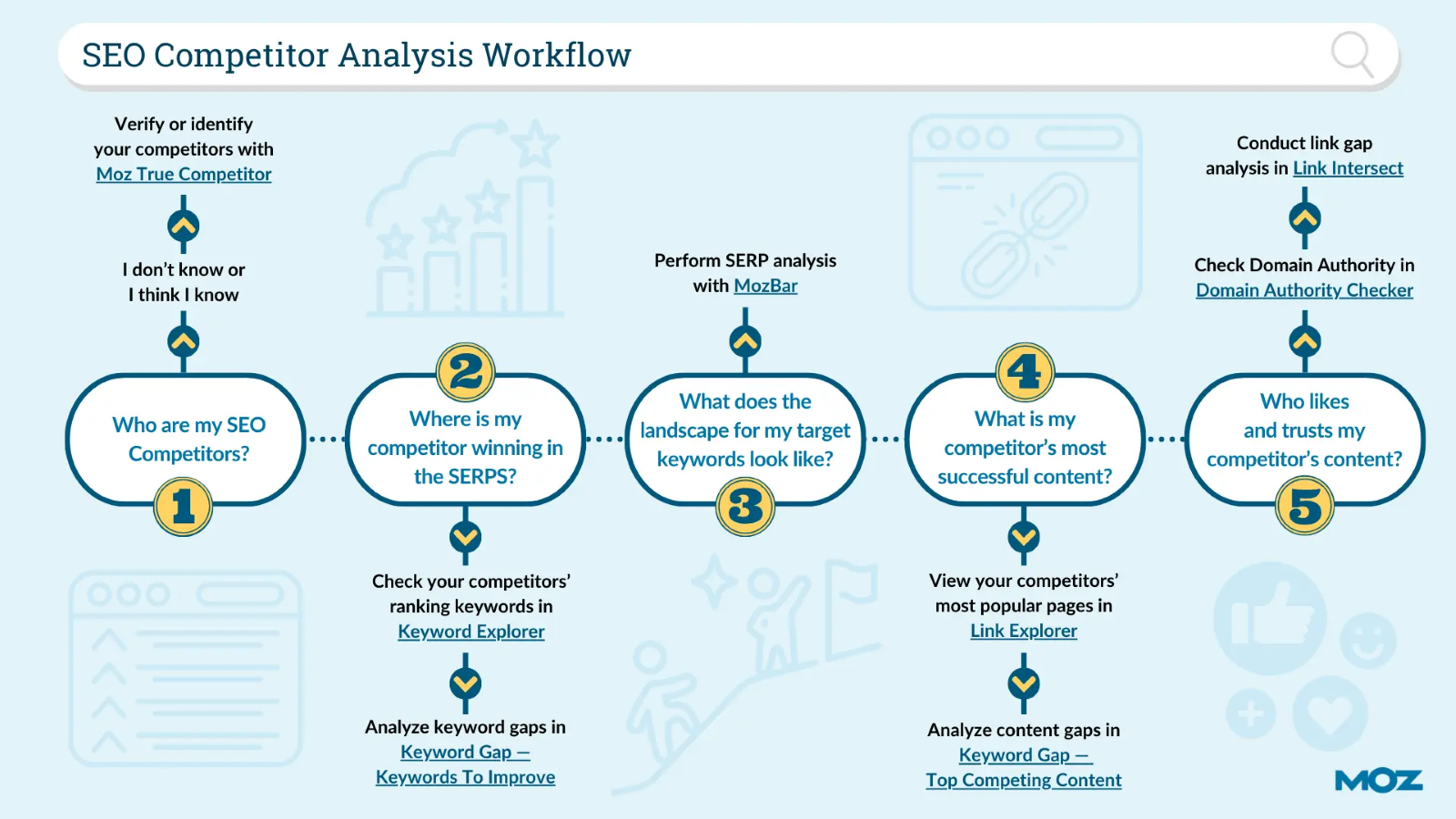
Analyze your competitors to uncover high-intent keywords. Tools for competitor analysis, such as SEMrush or Ahrefs, will show you which keywords are driving traffic to their sites.
You can reverse engineer their strategy and pick up some very valuable keywords that your competitors are targeting themselves. For instance, if a competitor is ranking high for the keyword ‘Best budget laptops for gaming,’ you can be sure that this is a high-intent keyword and include it in your content strategy to attract that audience.
Step 4: Unlock the Power of Data—Dive into Search Queries
Don’t forget about the data on your own website. Google Search Console is a goldmine for finding out the very queries your website is being found on. Using this tool will show you which keywords are responsible for the traffic to your site and how the intent of these keywords aligns with user intent.
If you analyze search queries, you can see low-hanging fruit—keywords with high CTR and low competition. Your Google Search Console data can also show how specific keywords are faring in terms of performance so you can refine your strategy as things are happening.
Crack the Conversion Code: Fine-tuning Your SEO for Buyer-Driven Keywords
Cracking the conversion code begins with understanding the power of buyer intent keywords. Learn how to seamlessly incorporate buyer intent keywords into your SEO strategy and turn clicks into conversions while maximizing your ROI.
1. The Blueprint to Conversion: Tailoring Your Content Strategy for Intent-Driven Keywords
Optimizing buyer intent keywords is all about a good content strategy. Align your blog posts, product pages, and landing pages with intent-driven keywords that speak directly to your target audience.
If you are a fitness brand, for instance, with an audience searching for ‘best home workout equipment for small spaces,’ when you include that keyword in your content, you’ll capture those that are ready to buy.
Stats prove that if you use a content strategy, you are more likely to succeed, as over 72% of marketers claim that content strategy is the key to their success.
2. Catch Their Eye: On-Page Optimization for Intent-Driven Success
javatpoint.com
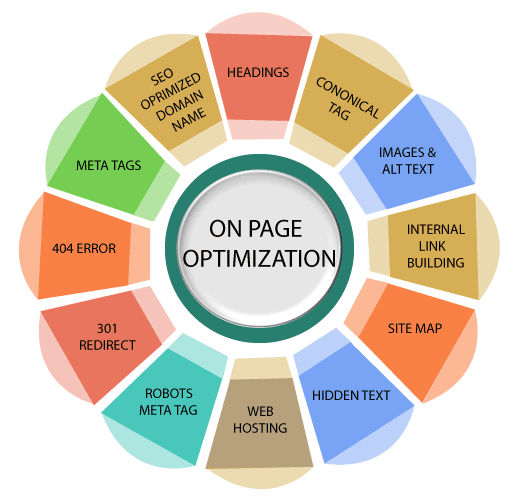
In on-page optimization, the magic happens with the right combination of buyer-intent keywords with user-focused content. The first step is to create enticing headlines and meta descriptions that are engaging and correspond to what people are trying to find on your site.
For example, instead of the common but unoptimized title like “Best Home Workout Equipment,” a much more optimized title could be “Top 10 Home Workout Equipment for Small Spaces (2024 Guide).”
Use buyer intent keywords in your content naturally, especially in your Calls to Action (CTAs). Your targeted keyword drives users to take action when paired with a well-placed CTA, such as ‘Shop our home workout gear now.’
Data shows that content with optimized CTA increases conversion rates by up to 121% — which proves that the right word choice can boost your results.
3. Seamless Navigation: Elevating UX for Maximum Conversion Potential
 uxmag.com
Seamless user experience (UX) isn’t just a bonus; it’s an absolute must to improve conversions. Make sure your pages load fast, and your site is easy to navigate.
If your mobile site takes too long to load, you could lose valuable conversions, as 53% of mobile users will abandon a page that takes longer than 3 seconds to load. A smooth UX means the visitors will stick around, and that can help usher them down the funnel to make the purchase.
That means intuitive navigation, mobile optimization, and clear paths from discovery to checkout. Make things simple and friction-free, and watch your conversions skyrocket.
4. Targeting Intent: Turbocharging ROI with PPC Campaigns
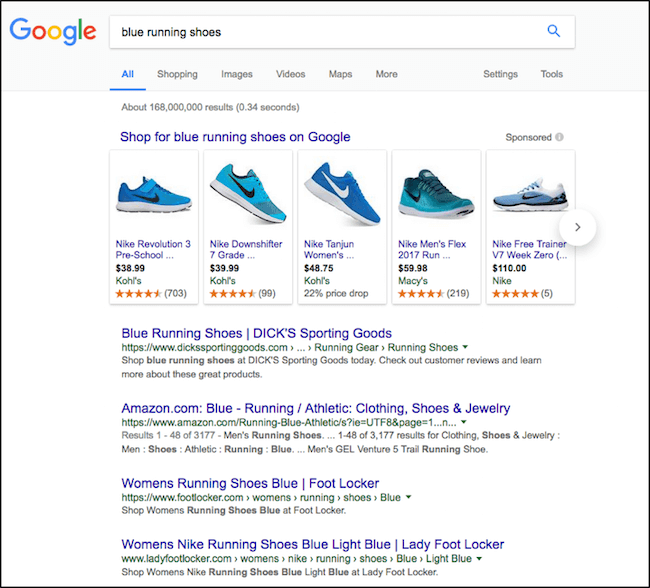
If you are running PPC (Pay-per-click) campaigns, you need to target high-intent keywords as a way to maximize your ROI. Keywords like “blue running shoes” and “Order organic coffee online” are high-intent keywords and tell you who is almost ready to make a purchase.
 ppchero.com/ppc
By focusing on these keywords within your paid search campaigns, your ads will not only be more visible, but the leads you drive will be of a higher quality, which will, in turn, help improve your conversion rates.
Keyword to Success: Your Path to Optimized Sales
It’s not your regular old-fashioned SEO strategy; unlocking the power of buyer intent keywords is the secret sauce to meaningful sales and, most importantly, aligning yourself with your audience/clients at the moment when they’re ready to buy.
Not only does optimizing your content, ads, and user experience transform curiosity into commitment, but it also helps you identify what your customers really want and drive more traffic.
Ready to make searches turn into sales?
Look into your current keywords, dive into buyer intent strategies, and see your conversions skyrocket! Now is the time to act; your audience is searching for solutions, and you’re one optimized keyword away from being their answer.

About the author: Vibhav Gaur, Business Head
Vibhav Gaur leads strategic operations and business growth at the organization. With a strong background in digital transformation and customer-focused solutions, he has helped numerous clients streamline their web presence and scale efficiently. His leadership ensures seamless execution across teams, with a commitment to delivering results and fostering innovation in every project.


