
Search is evolving much faster than you can click the reload button. No longer is the search considering static keyword lists, but rather, Google’s new AI Mode is changing what search is, from a linear to a dynamic, generative conversation.
According to a new study, Google’s AI Overviews appear in nearly half of all search results and occupy up to 48% of mobile screen space, a dramatic shift that’s more than just a new feature: it’s a full-on paradigm shift.
Early adoption of AI Mode is already influencing user behavior. According to Oppenheimer, 60% of users chose to use AI Mode over ChatGPT. And in the meantime, 70% of users already trust AI search summaries, and 79% think they will use AI-powered search within the next year.
Traditional SEO was based on the #1 position for keywords. What brands in the eCommerce sector need is more than a ranking – you need Google’s AI to pick you. With generative, predictive, and conversational layers forging the pathway for discovery, how visible your content is will be based on how your content is picked, summarized, and recommended by AI.
For eCommerce, this means shifting from content built for links to content built to be selected—a new age of contextual intelligence.
What Is Google’s AI Mode?
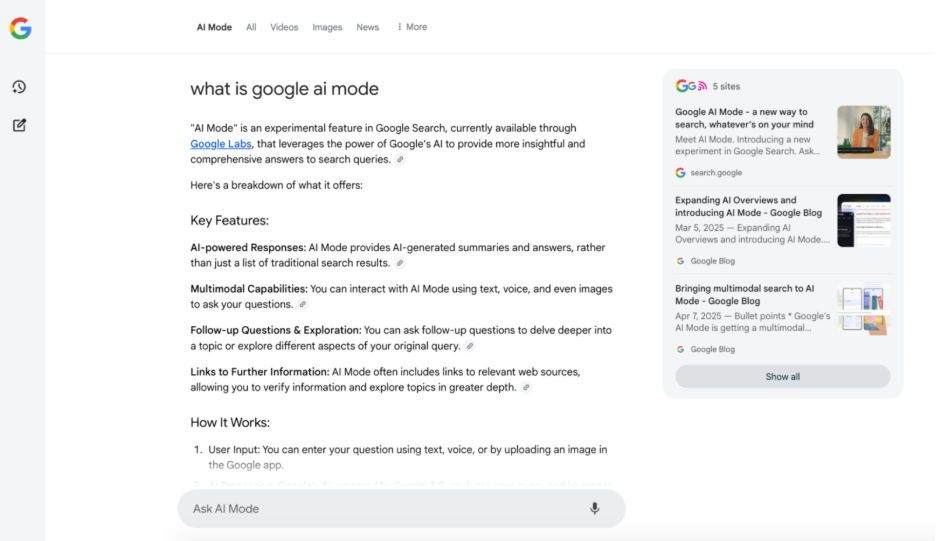
What if search could think and, even, talk back?
Enter Google’s AI Mode, a full-stack reinvention of how we find information. Now rolling out from Search Labs, this new mode is driven by Gemini 2.5, where answers are not just limited to blue links.
According to experimental evidence, AI Overviews already attract 1.5 billion monthly active users in 200 countries, and preliminary testing of AI Mode has instigated a more than 10% increase in the engagement of queries. Users are spending less time clicking and more time absorbing comprehensive answers straight on the results page.
AI Mode replaces click-through dependency with real-time synthesis: it pulls in associated outcomes, knowledge graph information, live-shopping data, and expert tips—all woven into a conversational UI. Follow-up queries feel natural, and you can even feed it images or voice inside the same session.
It’s more than a feature—it’s a new search infrastructure. Backend magic like “query fan-out” runs hundreds of sub-queries in parallel, while multi-modal understanding lets it parse images, voice, and even real-time video.
For eCommerce and content creators, this means alignment with AI’s new context-first logic—not just SEO for ranking, but resonance to be chosen by AI. With AI Mode, search becomes an intelligent dialogue, and brands must speak clearly, structurally, and meaningfully to earn a spot in the answer.
How AI Mode Works: A Look at the Core Tech Stack
Think of search as a well-crafted symphony in which each part plays in harmony with the others to create a coherent and conversational answer. And behind the scenes, AI Mode leverages a multi-layered technical framework that has been optimized for speed, relevance, and adaptability.
1. Query Intent Parsing (NLU)

Advanced Natural Language Understanding changes your query into “intents” and entities. It deconstructs meaning, rather than matching keywords — whether you’re asking about “best hybrid gummies for midday focus” or “how to improve SEO for AI Mode.”
2. Gemini‑Powered Response Generation
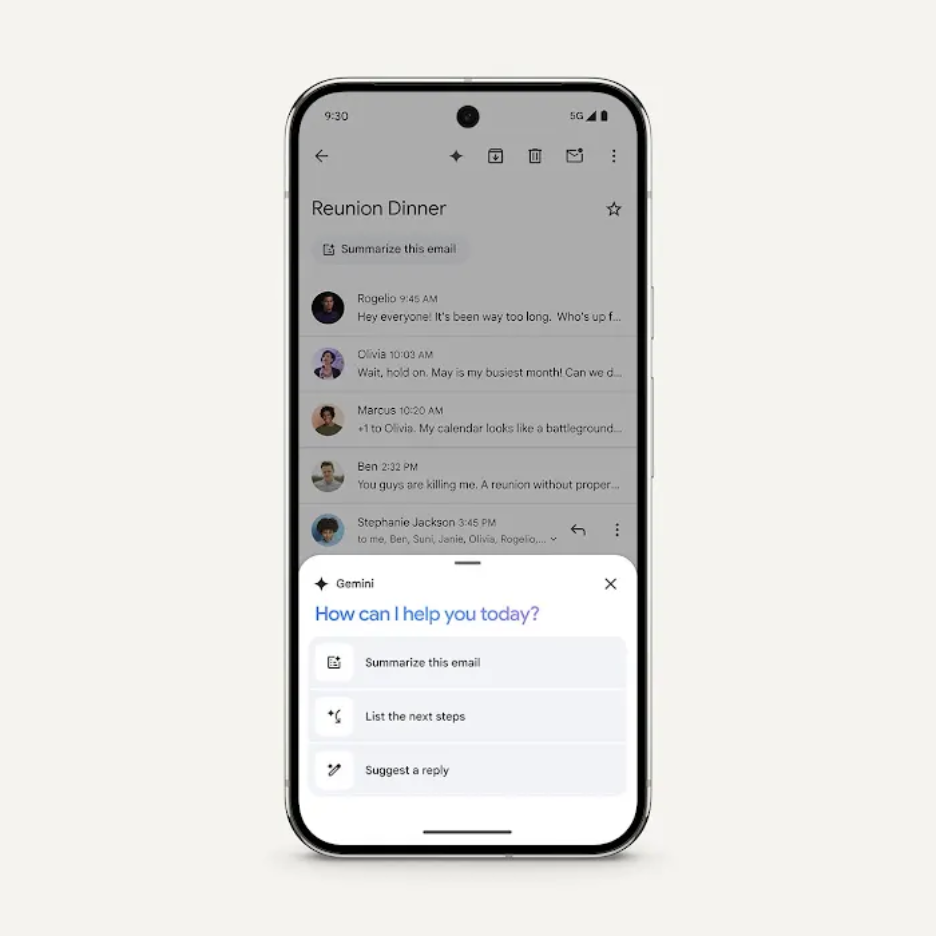
Gemini 2.5 generates responses using text, image, and product feed data. The most up-to-date market stats are demonstrating that Gemini holds 13.4% of the AI chatbots, proof of its increasing domination behind the scenes.
3. Answer Assembly Layer
AI-written text is seamlessly integrated with web material, expert quotes, and images. The smart re-ranking algorithms make sure that the answer provided is accurate, coherent, and informative.
4. Re‑ranking Algorithms
These algorithms show search results on the basis of quality signals, authority, and page layout. It was found that just 9.2% of the AI Mode responses are reused in sessions, illustrating the dynamic nature of AI Mode response selection.
5. Attribution Model
All cited sources are chosen by their confidence scores. And if Gemini adds a link, it is there for reliability, not just for form. It all results in a search experience in which nearly similar questions today yield unique, contextually-aware answers — a significant shift from static results.
Why AI Mode Is Disruptive for ECommerce
eCommerce is in the midst of a quiet revolution. Google’s AI Mode has transformed the search experience from link-hunting to instant answers.
Users no longer have to click through multiple pages to see an answer—AI Overviews provide curated, conversational answers directly on the results page. That shift means fewer visits to individual eCommerce sites, particularly when product info and comparisons are already boiled down.
The Click-Through Collapse

The consequences of this shift are already evident, according to recent studies. Ahrefs also reported that the CTR of top-ranking pages drops by 34.5% when AI Overviews are present.
Even more striking is the fact that 60% of searches now end without a click. This is an alarming statistic: Bain & Company estimates 80% of consumers use these “zero-click” responses around 40% of the time of their search activity.
Ranking No Longer Guarantees Visibility
AI Mode doesn’t just rank—it chooses. Now summaries, answer boxes, and product carousels take the center stage. If your product or brand is not surfaced within that snapshot, it might as well not exist. Traditional SEO alone is no longer sufficient; visibility depends on being chosen by AI—not simply indexed.
The New Rules of Engagement
In this landscape, it is not just high keyword rankings that bring success. Today’s brands must create AI-friendly content that is structured, conversational in nature, and schema-optimized.
AI Mode favours easy-to-understand content for parsing, summarizing, and referencing. Adjusting to this means creating with context, not only optimization, in consideration.
How ECommerce Brands Can Check Their AI Visibility (“AI Ranking”)
Have you ever gotten the feeling that your brand just vanished from Google overnight?
You may still rank — just not in a place that counts anymore. Now that AI Mode has taken center stage, it’s not just about winning the keywords. Now you have to earn a place in the answer.
These are a few good ways that eCommerce brands can check their AI visibility, rankings, and stay relevant in a zero-click search world.
1. Prompt Test Method
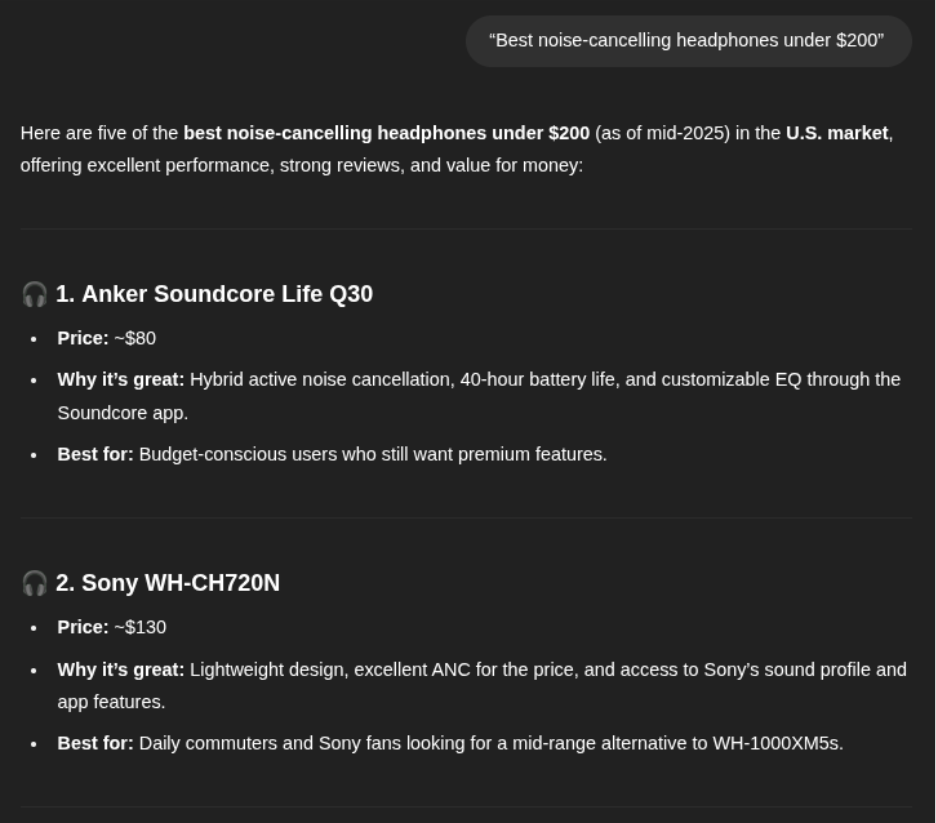
Start your audit by diving into the AI platform and running conversational queries such as:
- “Best noise-cancelling headphones under $200”
- “Where to buy cruelty-free skincare”
Pay extra attention to whether your product pages, your brand name or your reviews are cited in the AI-generated summary. Don’t fade into the background—visibility here often translates to being chosen, not just found.
2. Brand Presence Score (Manual Audit)
Perform 5–10 long-tail, high-intent searches within your industry. Monitor what percent of AI snapshots vs traditional search links include your brand.
If your brand isn’t featured heavily in these case summaries, your visibility is probably floating at the bottom of the pond. Scan for attributions—like images, content excerpts or links tied to your business—and note where your competitors’ are being featured instead.
3. Content Sampling in AI Summaries
Inspect the summaries closely:
- Is AI talking about your blog posts, product pages or buying guides?
- Does your FAQ schema, pricing, or availability information get picked up?
- Are your competitors quoted instead?
When an AI response is based on well-structured, full-response content, it usually excludes unsourced pages. Make certain your pages contain rich, organized answers with schema markup so that you can boost your chances of being included.
How ECommerce Brands Can Improve Their AI Ranking
Online retailers require a new playbook to remain visible in Google’s AI‑focused digital landscape. Here is a creative, engaging guide to improving your AI ranking with real-time statistics as well as actionable tactics:
1. AI‑Readable Product Pages

Begin by implementing structured data—using Product, Review, and FAQ schema—through Schema.org markup. Rich snippets prepare your product feature for Google AI.
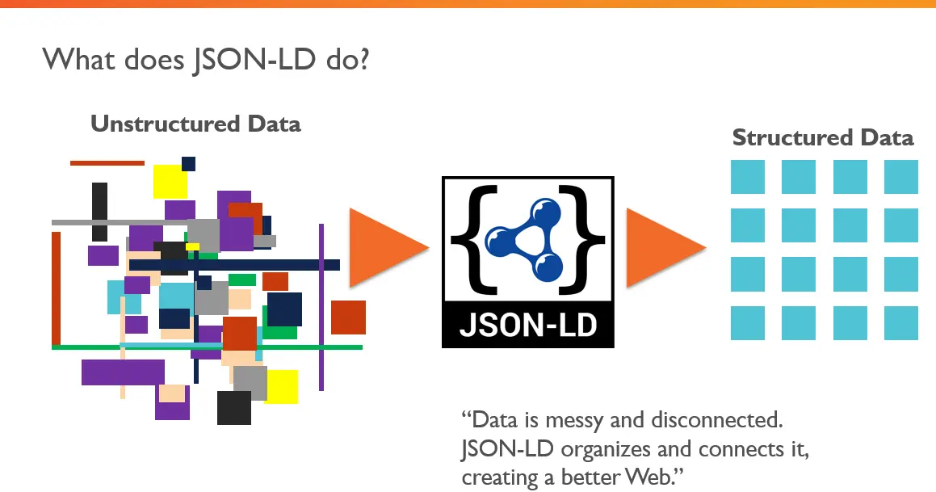
Use JSON-LD because Google prefers it to integrate the knowledge graph. Then, insert short Q&A headers right into product descriptions.
Answer questions such as “What is it?”, “Is it safe?” or “How does it work?” in clean, snippet-ready formats. LLMs love order and organization, so your content becomes easy to extract into AI Overviews.
2. Write for AI – Not Just Humans
Brands that excel in AI Mode do so using semantic content—content that is richly descriptive, conversational, and easy for language models. Keep it succinct — long-winded fluff is skimmed over; concise, well-organized text is more likely to be quoted. Think bullet-point answers, simple feature lists, and clear takeaways that an AI can lift directly.
3. Build Source Authority
Authority matters. You improve your chances of citation by getting mentioned in niche round-ups, authoritative reviews, or reputable publications.
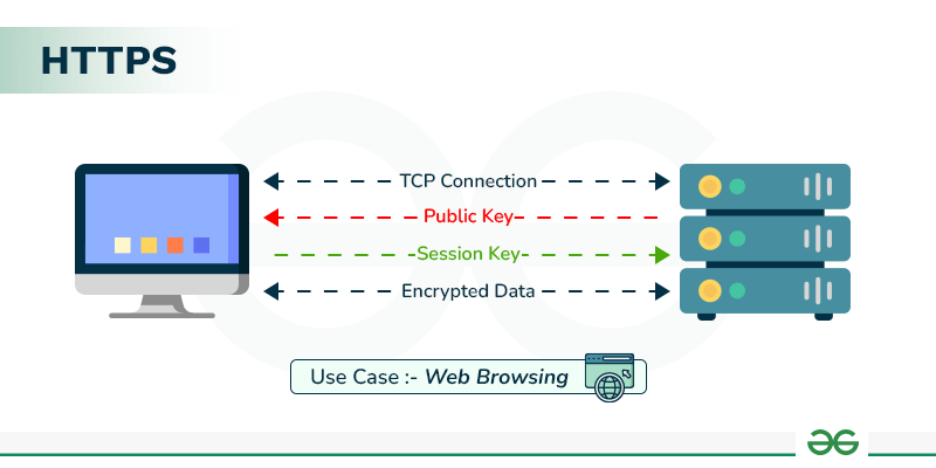
Strong trust signals, like HTTPS, author bios, and reputable inbound/outbound links, carry weight. Generating credible product reviews and working with professionals will only help reinforce your credibility.
4. Go Multi‑Modal

Google’s Gemini model is designed to read more than just text — it parses images, alt-text, and video as well. Include high-quality product images with informative alt-tags, demo videos, or tutorial clips. High-quality, well-tagged product metadata increases the likelihood of your product being chosen in AI answers.
5. Integrate with Google’s Commerce Stack

Sync your feeds with Google Merchant Center – ensure your metadata is up to date (price, availability, SKU, GTIN). Use Performance Max campaigns to increase your exposure and boost feedback. Pairing up with Google Shopping and YouTube creates a feedback loop to help AI identify and recommend your content.
The Technical Challenges ECommerce Must Navigate
The search is evolving — although not without complications. As AI Mode reframes the way products are found, eCommerce brands need to brace themselves for more than a new list of ranking rules.
AI-driven content has further revolutionized the way in which product information is perceived and presented. That shift brings both opportunity and peril.
What if the AI gets your product details wrong? How do you guarantee a lightning-quick page load when milliseconds count towards your ranking? And how do you balance personalization with the increasing demand for data privacy?
All of these questions imply the new reality: winning in eCommerce isn’t simply about having the best product, but is about future-proofing your digital infrastructure in an AI-dominated future.
Let’s take a look at the three biggest technical challenges and how to address them head-on.
1. AI Hallucinations & Inaccurate Product Summaries
AI can sound confident—but get things wrong. Research has shown that 3-10% of AI output contains hallucinations, and 27% is noise responses. Confidence, without accuracy, can damage your brand if AI Mode pulls misinformation from your site.

How to mitigate: Make sure your product content is definitive and harmonious across all channels. Clearly list specifications, safety details, and honest reviews. Include retrieval-augmented generation (RAG) or human-in-the-loop workflows in order to project AI responses onto real facts.
2. Latency & Scalability
Speed is not a ‘nice to have’ — it’s a must. Nearly 47 percent of shoppers leave a site that doesn’t load within three seconds, and 70 percent of shoppers believe speed impacts their purchasing decisions. AI Mode’s re-ranking algorithm favors high-speed and reliable pages.
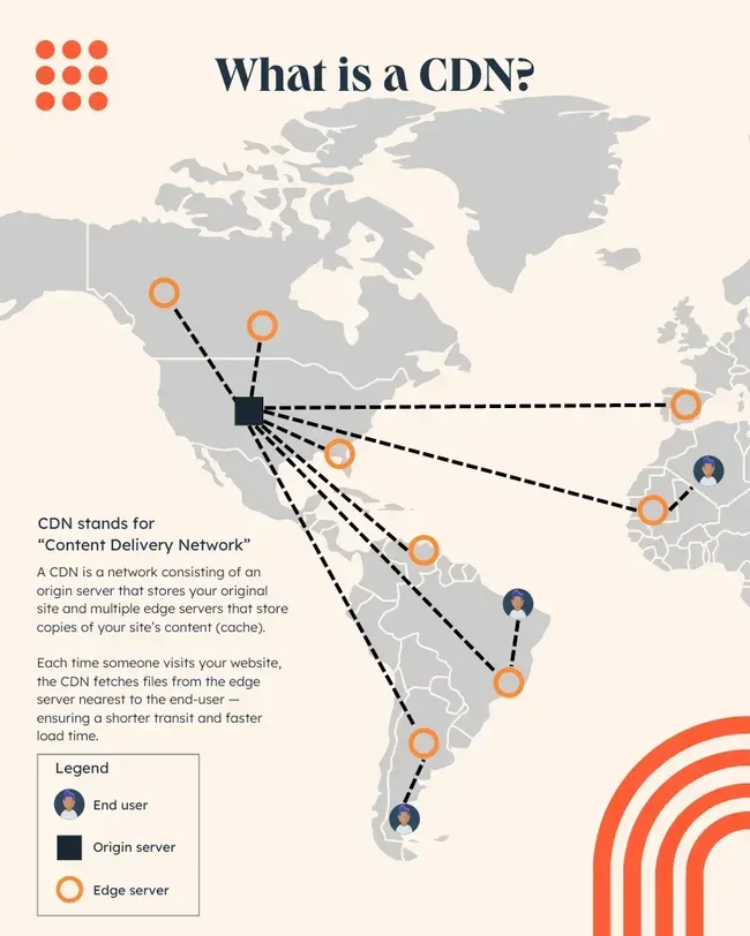
How to optimize: Use CDN delivery, lazy loading for images, and clean markup. Audit performance with Core Web Vitals and target for load times under 2 seconds. Fast UX is just what users — and AI — need to stay happy.
3. Privacy & Data Sensitivity
AI Mode’s predictive features such as recommending products based on past behavior have the potential to cross into privacy-sensitive areas.
How to stay compliant: Post clear privacy statements and ask users to consent to personalization and data use. In AI prompts, use anonymized, aggregated data. Test any predictive shopping features with internal audits to make sure they are being used ethically and legally.
Outrank the AI—Or Train It to Choose You
AI Mode is not killing search — it is redefining who gets seen and why. For eCommerce brands, success depends on appearing in the AI’s curated response, not just ranking number one in a list of blue links.
From clicks to credibility, visibility has shifted. If you aren’t getting your act together in terms of curating content that is well-organized, easy to read, and reliable, you are going to be consistently left out by AI. You’re not just writing for humans anymore; now you also have to be writing for AI.
Teach the algorithm to select you; deliver it the right signals, the clear responses, validated information, and the machine-digestible structured formats. Authority is no longer achieved with backlinks alone — it’s earned through clarity, consistency, and relevance.
The future of eCommerce search isn’t grinding the algorithm—it’s guiding it. Make sure it is trained to trust your brand.

About the author: Vibhav Gaur, Business Head
Vibhav Gaur leads strategic operations and business growth at the organization. With a strong background in digital transformation and customer-focused solutions, he has helped numerous clients streamline their web presence and scale efficiently. His leadership ensures seamless execution across teams, with a commitment to delivering results and fostering innovation in every project.


