
Search visibility is not restricted to keywords and backlinks anymore. Recent research shows that AI search adoption has grown rapidly, with traffic from AI search increasing by more than 527% year-over-year.
Nevertheless, most brands continue using old-fashioned SEO strategies that fail to gain a place in AI-enhanced search results. You can post significant content and create links frequently, but until you provide references to reputable resources, AI systems lack the validation needed to recognize your expertise.
Consequently, this discrepancy in effort and visibility may be frustrating since rankings no longer assure discovery. However, digital PR for AI search is aimed at adapting to this change by gaining credible references that build authority signals.
Rather than just focusing on backlinks, it gives consideration to meaningful media coverage, expert mentions, and contextual references to build credibility. Furthermore, structured outreach and content value are useful to establish your brand as a credible source in the industry.
This blog discusses the implementation of digital PR for AI search activities, which outreach strategies achieve citations, and how this methodology creates long-term authority.
Overview of Digital PR for AI Search
Digital PR for AI search aims at gaining trusted mentions that have a role in how AI-driven platforms rank and display content. In contrast to the traditional SEO method, which heavily depends on keywords and backlinks, this method attaches importance to credibility, mentions in context, and brand recognition in reputable publications.
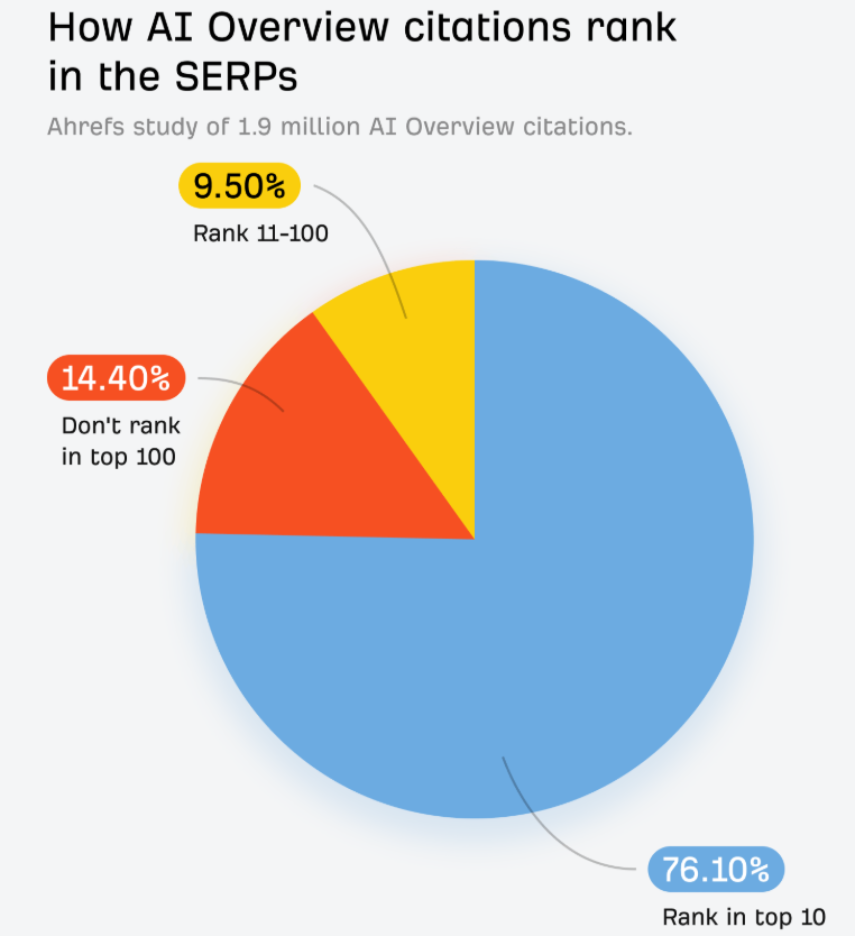
Furthermore, research from Ahrefs shows that 76% of AI Overview citations come from pages already ranking in Google’s top 10 results, highlighting how authority and trusted references influence AI-generated answers.
Once references to your brand occur in respected media outlets or in other niche industry platforms, AI systems see such mentions as indicators of expertise. As a result, digital PR for AI search can help enhance discoverability through the creation of citation networks that enhance credibility and relevance to the topic.
The signals that are commonly assessed by AI systems include:
- Citations from credible publications
- Expert commentary within industry discussions
- Data-backed research referenced by journalists
- Consistent mentions within focused topic areas
- Relevance of each citation to the topic
With time, the continuous mentions enhance the authority of your brand and improve the probability of being mentioned in AI-written summaries. Hence, digital PR for AI search works alongside technical SEO as it involves integrating optimization with trusted external validation.
Outreach Strategies That Win Citations

To win citations, it takes more than issuing press releases in large quantities. Rather, it must be organized outreach based on relevance, authority, and long-term positioning. When implementing digital PR for AI search, all placements must reinforce trust signals that are perceived by AI systems.
Thus, you should target your outreach approach to gain citations that are topically and contextually relevant, as well as published on reputable sources. This is especially important because 26% of brands still receive no mentions in AI Overviews, according to Ahrefs research, which shows how difficult visibility becomes without credible citations.
Instead of emphasizing quantity, aim for quality and depth. A couple of questions that each campaign must take into consideration are: Does this content provide some unique value? Does the publication have authority in the industry? Will the citation enhance the association of your brand with a particular topic?
Once all these are in place, digital PR for AI search creates authority rather than temporary visibility.
The following strategies highlight practical outreach methods that help brands secure credible media citations and strengthen authority signals for AI-driven search results.
1. Data-Driven Assets for Media Citations
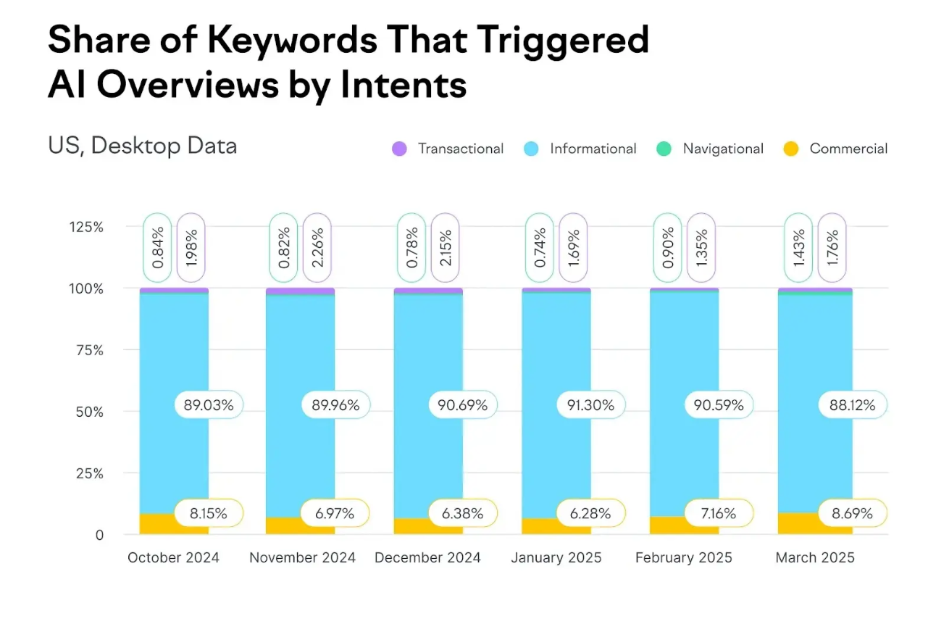
Original research tends to receive good citations as they provide journalists with information that they can not easily locate elsewhere. Industry research shows that over 88% of queries triggering AI Overviews have informational intent, meaning users are mainly searching for explanations and insights.
Furthermore, polls, benchmark reporting, industry research, and proprietary information are valuable for media coverage. Additionally, when your outreach presents exclusive information, you are better positioned to get an editor to mention your brand in their work.
Nevertheless, data alone is not enough. Your results must relate to the ongoing debates in the industry. When you bring out insights that have to do with trends, challenges, or changes in your niche, the journalists are inclined to incorporate them in their stories.
In the long term, frequent research publication can place your brand in the role of a trusted source of information. Consequently, digital PR for AI search enjoys the benefit of repeated citations, which are perceived by AI systems as indicators of authority.
2. Build Relationships with Authoritative Publications

Successful outreach requires long-term relationships as opposed to singular campaigns. Starting with the identification of editors, journalists, and contributors in reputable industry publications facilitates the establishment of continuous communication.
With time, constant communication develops familiarity and builds trust. Relevance is demonstrated by personalized messages that contain references to a past work of a journalist. Furthermore, meeting editorial deadlines and giving credible information enhances credibility.
With the development of such relationships, the possibilities of expert commentary, data citation, and content collaboration are enriched. In the case of digital PR for AI search, repeat mentions of reputable publications are particularly useful since the AI systems see a pattern of validation by reputable sources.
3. Position Your Brand as a Go-To Expert Source
When your brand is considered an expert in a particular field, the number of citations increases. Because journalists tend to seek the opinions of credible people when reporting on industry trends, subject expertise enhances the likelihood of being quoted. Thus, identify your areas of core competence and target outreach around these areas.
Furthermore, the executive insights, contributed articles, and expert quotes in the industry publications serve to reinforce the recognition. Also, publishing about the new trends in leadership makes you solidify your topicality.
Repeated mentions by experts over time create significant entity signals, which are significant when using digital PR for AI search. Consequently, AI systems are more likely to promote brands that are continuously mentioned as reliable professionals and not occasional contributors.
4. Reactive PR for Trend Coverage

Timeliness enhances the likelihood of getting citations. There are usually industry news periods where expert knowledge is particularly desirable. By keeping track of the requests of journalists, the buzzing conversations, and the developing events, you can react swiftly with relevant remarks.
However, relevance should be matched with speed. Clear, concise, and data-supported insights improve the chances of being cited in breaking stories. Consequently, the consequence of reactive outreach is authoritative placements since journalists need credible sources when dealing with fast-moving events.
Citations related to ongoing conversations strengthen authority indicators and enhance relevance in real-time in digital PR for AI search.
5. Align Outreach with Topical Authority Goals
The authority can be diluted by the fact that the coverage is scattered across unrelated websites. Rather, the outreach should be based on well-identified topic areas that are aligned with your business objectives.
Consequently, a regular appearance in the appropriate industry publication reinforces your relationships with those subjects. As a result, your brand has a higher chance of being used as part of AI-generated summaries.
Finally, digital PR for AI search is most effective when outreach strengthens authority through valuable content, trusted media relationships, and a focused topic strategy.
Citation-Focused Digital PR Benefits

An organized digital PR for an AI search strategy provides value over media impressions since AI systems are based on citation patterns to infer credibility. Because of this, authoritative mentions increase the visibility of searches and enhance brand authority, whereas citation-oriented outreach leads to the creation of long-term trust and more stable long-term visibility.
1. Increased Visibility in AI Search Results
Citations are considered to be more authoritative, and they have higher probabilities to appear in AI-generated summaries, featured answers, and other enhanced search results. References to your brand in trusted publications are interpreted by AI systems as credibility signals.
This way, your presence is extended beyond the conventional rankings, and regular mentions are likely to sustain a steady presence over time.
2. Stronger Brand Authority Signals
 Mentions made repeatedly in credible publications develop effective industry credibility. Every citation serves as a third-party validation, strengthening your authority with users and AI systems. Citations build up authority over time in your brand regarding certain topics.
Furthermore, such authority signals are spread across a variety of channels. References on reputable industry sites help to increase search presence, reinstate social validation, and build brand equity. Consequently, digital PR for AI search assists in establishing a more powerful and identifiable presence in the digital ecosystem.
3. Compounding Organic Growth Impact
Unlike short-term SEO gains, citation-based authority grows gradually. Each high-quality mention increases brand recognition and improves the chances of future coverage.
As citations build across trusted sources, AI systems strengthen the connection between your brand and specific industry topics. This matters even more as AI-driven traffic has grown nearly 9.7× since 2024, showing the rapid expansion of AI-powered search discovery.
Over time, this cumulative effect supports steady organic growth, as trust signals continue building rather than resetting with algorithm changes.
4. High-Quality Traffic and Lead Potential

Citations from niche-relevant publications attract audiences already interested in your expertise. As a result, referral traffic is often more engaged and more likely to convert than general search visitors. When readers discover your brand through trusted industry sources, they are more likely to trust your insights and learn more about your offerings.
As authority grows, trust also increases. Higher-intent visitors engage with greater confidence, which improves lead potential and long-term results. In this way, digital PR for AI search turns citation-driven credibility into meaningful business outcomes.
Outreach Strategy for Long-Term AI Authority
Search visibility now depends on credibility as much as optimization. Therefore, digital PR for AI search shifts the focus from isolated link building to meaningful citations that strengthen authority across trusted platforms.
Moreover, data-driven assets, strategic outreach, expert positioning, and clear topical focus help build signals that AI systems recognize and prioritize. Over time, consistent citations lead to stronger visibility, greater trust, and steady growth.
Ultimately, investing in structured outreach that earns authoritative mentions turns digital PR into a long-term AI authority rather than short-term exposure.

About the author: Vibhav Gaur, Business Head
Vibhav Gaur leads strategic operations and business growth at the organization. With a strong background in digital transformation and customer-focused solutions, he has helped numerous clients streamline their web presence and scale efficiently. His leadership ensures seamless execution across teams, with a commitment to delivering results and fostering innovation in every project.


