
Imagine creating a new website and preparing engrossing content for the readers, only to realize that the site sits at the bottom of the search results page – unseen by the target audience.
Why do you think that happens?
The answer is backlinks.
Sites that contain many backlinks are always ranked higher than sites with few. In fact, the #1 result on Google typically has 3.8 times more backlinks than the pages in positions #2 through #10.
What this indicates is just how important backlinks are when it comes to increasing the visibility and authority of your site.
However, how can one begin to match with recognized sites that already have a head start in link building?
The challenge is real, but it’s not something that cannot be overcome.
In this blog, we’ll explore proven strategies to help your new website build a robust backlink profile from scratch, giving you the competitive edge required to boost your rankings.
Understanding the Basics of Link Building
 beyondexclamation.com
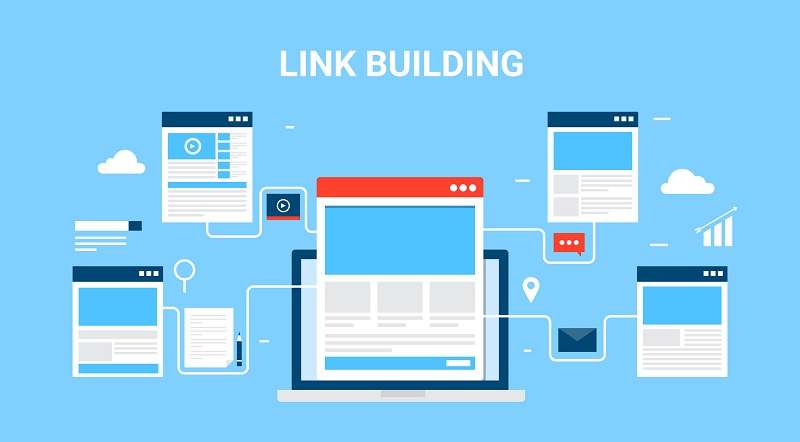
Link building is an off-page SEO marketing strategy aimed at acquiring quality backlinks from relevant sites within the niche or industry. Besides assisting you in achieving exposure to a broader audience, it is a crucial strategy for the ranking components.
The more backlinks pointing to your content, the higher the chances that many people will visit you, read your content, and pass through the buying funnel. Without a solid link-building strategy, your website may struggle to gain the visibility it deserves.
Google still considers backlinks the most important signal for a website’s ranking. Most marketers also rank them as one of the three most influential ranking factors for search engine visibility.
But how can you implement it?
This is something you’ll explore in the following section.
How Backlinks Fuel Your Growth
Backlinks are not just about boosting search engine rankings; they offer various benefits that can significantly impact your website’s growth and success. Here’s how backlinks fuel your growth:
- Boost Search Engine Rankings: High-quality backlinks signal to search engines that your site is credible, helping you climb the rankings.
- Increase Organic Traffic: Higher rankings lead to increased visibility, driving more organic traffic to your website.
- Enhance Brand Credibility: Backlinks from reputable sites establish your brand as an authoritative source in your industry.
- Accelerate Content Indexing: Backlinks help search engines discover and index your content more quickly, allowing it to rank sooner.
- Strengthen SEO Performance: A solid backlink profile enhances your overall SEO efforts, contributing to long-term success.
- Support Long-Term Growth: A consistent backlink strategy lays the foundation for sustained growth in traffic and authority.
Strategies for Establishing Authority from Scratch
Now, it is time to look at the strategies needed to get you started toward authority.
1. Start with On-Site Optimization
When starting from scratch, the foundation lies in providing your website with the necessary boost to create authority. This involves the development of linkable content and the application of sound internal linking tactics.
Creating Link-Worthy Content
Content-based link-building is an SEO technique that leverages high-quality content to attract backlinks.
The goal is to create valuable, informative, and engaging content that encourages other sites to link to yours naturally. This approach avoids the pitfalls of overtures, which can come across as annoying or manipulative.
But what kind of content attracts links?
There are four main types of content that are usually deserving of links:
- Inspirational: It is the type of content that will make people do something, whether for the benefit of others or personal development.
- Educational: Individuals get to know something new from this type of information.
- Informational: Often the latest in news or events.
- Entertaining: This kind of content usually elicits a reaction, such as making viewers laugh, and elicits feelings, such as joy, fear, rage, sadness, or surprise.
Internal Linking
 backlinko.com
Internal links assist Google in identifying, indexing, and crawling the available web pages on a certain site and, therefore, can be considered an important feature of the on-page SEO and optimization process.
The following are the three primary reasons that make internal links very important. They strengthen three parts of your conversion funnel.
- They pass on authority from one page to another.
- They lead the users to appropriate, relevant content.
- They are used as a call for action, encouraging each visitor to take action.
2. Building Relationships for Backlinks
Following the website optimization process, the following approach required to gain authority is relationship-building for backlinks. By fostering genuine connections with industry influencers and authoritative sites, you can secure high-quality backlinks that enhance your site’s visibility and credibility.
Networking in Your Niche
The best and quickest way of getting backlinks is by creating a network within your niche market. Targeted influencers and bloggers can help promote your content and add credibility.
But how do you make these connections?
Below are some of the successful networking tips that help in building relationships within your chosen niche with the aim of obtaining quality backlinks.
- Find out other bloggers, influencers, and website owners who are popular and can create useful content in your niche.
- Interact with these main players on social media by liking, commenting, and sharing their posts.
- Read their blog posts and directly contribute to the conversation by posting comments or reposting the content on your social media accounts.
- Send a personalized email to introduce yourself, mention some of their work/points of interest, and suggest collaboration.
- Inquire about future collaborations, such as content exchange and guest blogging or writing, and where all the parties involved will likely benefit.
- The most effective way of communicating directly with these people is by quoting them on Twitter and posting comments or connecting with them on LinkedIn.
Guest Blogging
Guest blogging is another effective way to generate backlinks and, at the same time, prove that you are an expert in your field. It was further observed by Authority Hacker that about 64.9% of link builders use guest blogging as the main link-building tactic.
This is how one can begin guest blogging correctly.
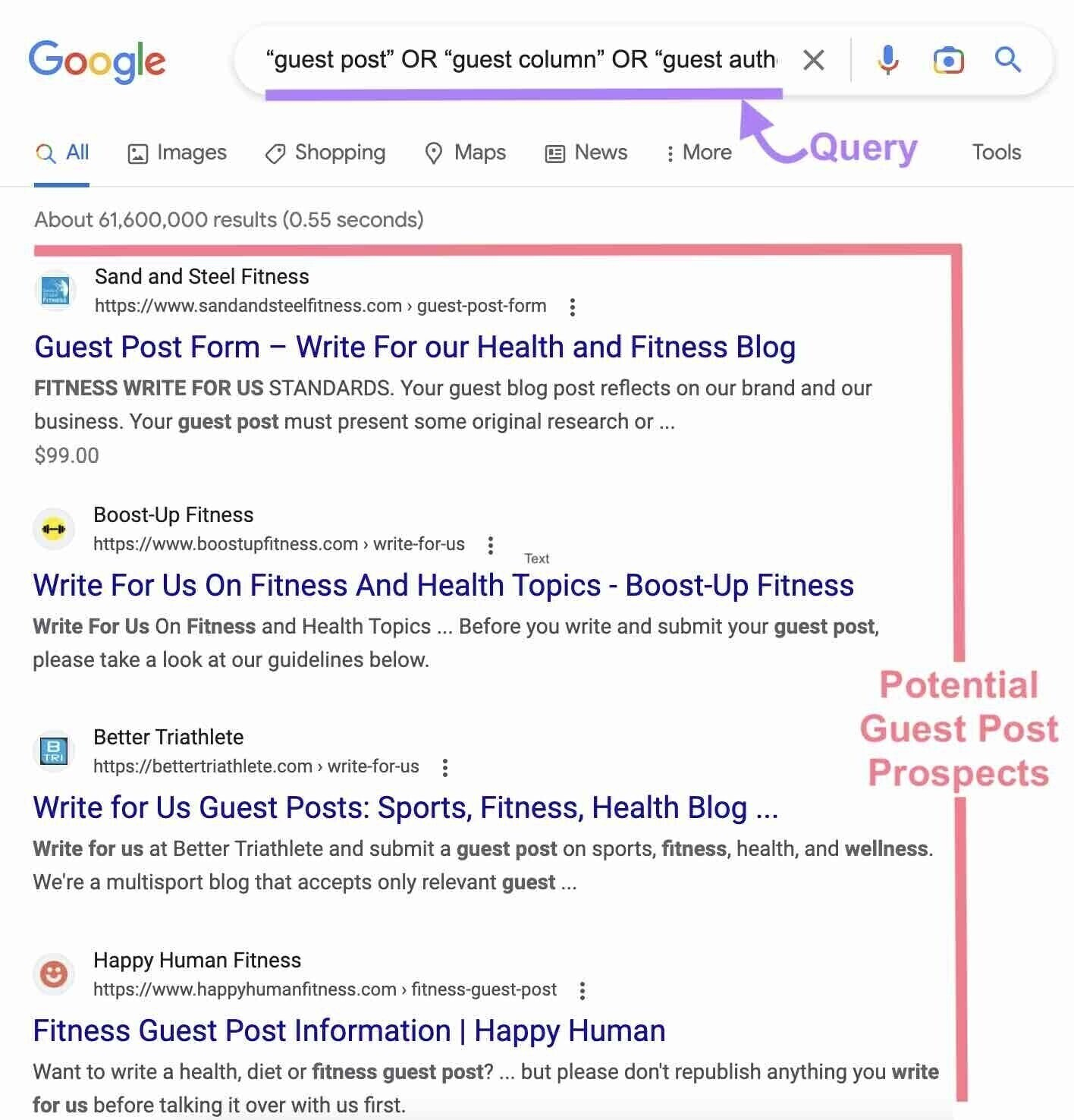
- Identify Authoritative Sites:
semrush.com/blog
Identify and compile a set of industry-relevant websites with high domain authority, ensuring their traffic sources align closely with your target audience.
- Evaluate Guest Posting Guidelines: Check every site’s guest posting guidelines to know their content norms and the process for submission.
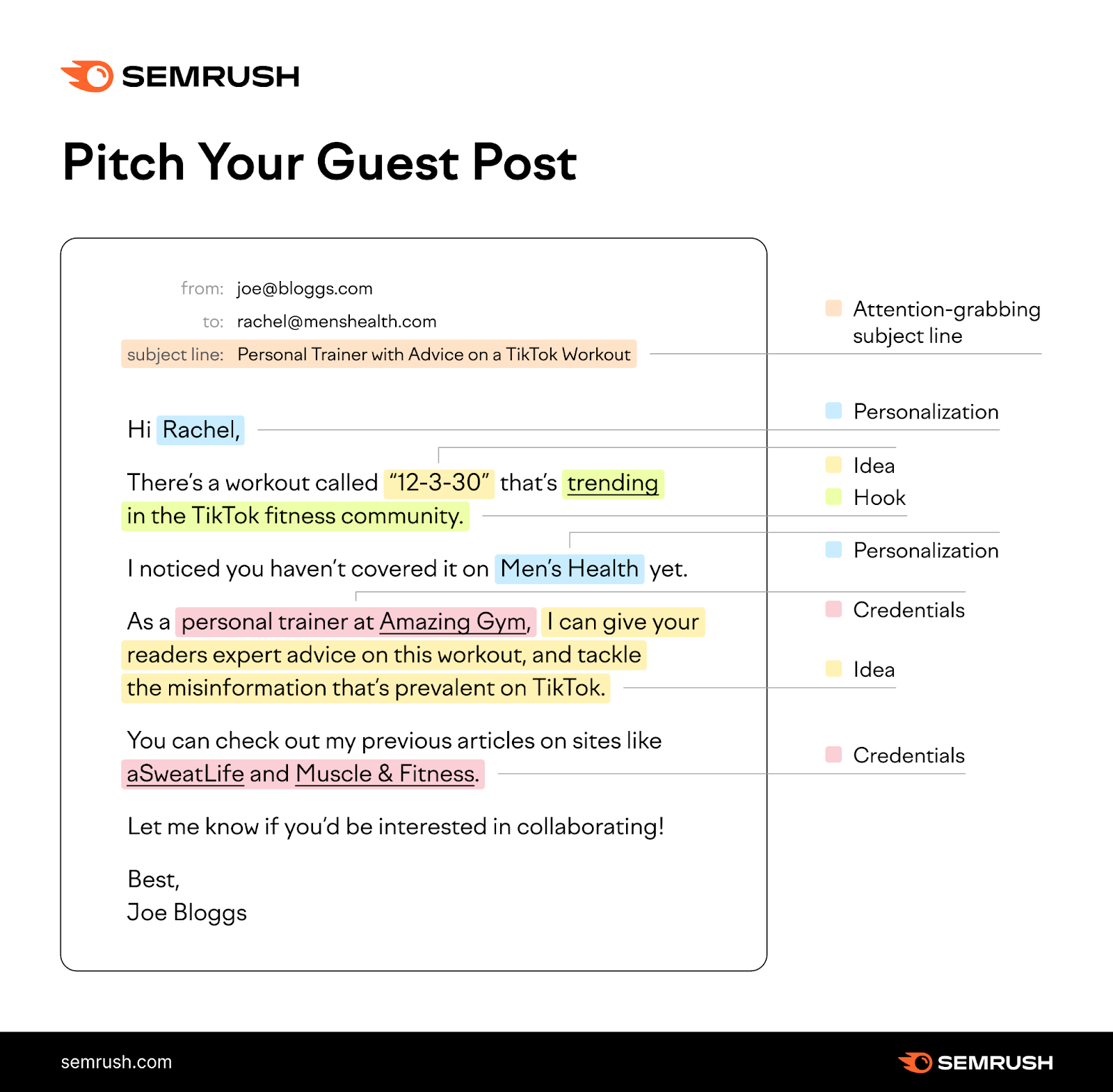
- Craft a Tailored Pitch:
 semrush.com/blog
Create a unique message that focuses on your experience, emphasizing how it is suitable for the content of the site and its visitors. Recommend a few topic suggestions that would be interesting and informative to their readers.
- Write High-Quality Content: If your pitch is successful, produce content that is both engaging and relevant to the site’s audience while following their rules. Make sure that it is educational, innovative, and pertinent.
- Incorporate Relevant Backlinks: Remember to strategically place links to your own site within the content naturally. Ensure that such links are useful and valuable to the reader and are not invasive or obtrusive.
- Build Relationships: Follow up the comments on your guest post and stay in touch with the site’s editor or owner for future collaborations to write for the site.
3. Leveraging Social Media and Online Communities
Using social media and online communities is a good way to get traffic and valuable backlinks. In this manner, you can improve your link-building promotions and even expand your viewers or followers on social media networks.
Promoting Content Through Social Channels
 backlinko.com
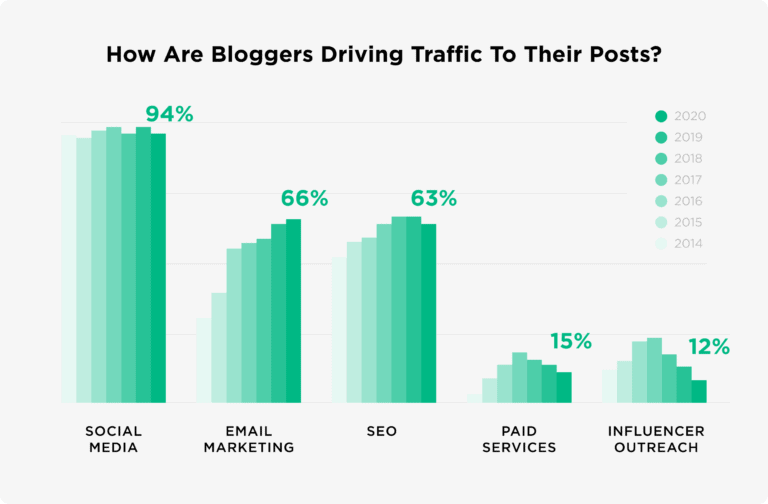
Social networks are a powerhouse for driving traffic and attracting backlinks. A survey by Orbit Media revealed that a whopping 94% of bloggers are tapping into social media to boost their content.
Kick things off by dropping links to your content on LinkedIn, Twitter, and Facebook. Tailor your posts for each platform: LinkedIn for those polished, business-like updates, Twitter for snappy insights and lively discussions, and Facebook for engaging with your community.
Make your posts pop with memorable captions, eye-catching images, and spot-on keywords. Don’t forget to ask your followers to share; their retweets and shares can give your content a big boost and pull in valuable backlinks.
For an extra edge, dive into Facebook groups and communities related to your niche. Share your content with group members and actively participate in discussions. Your thoughtful response and relevant info will drive engagement and build those all-important connections.
Interacting with influencers and leaders within your industry on these platforms is also likely to enhance the exposure of your content, which will translate to more links.
Participating in Forums and Q&A Sites
Reddit, Quora, forums, and similar platforms are ideal avenues to engage in link-building. First, make a list of forums and communities within your industry where your target audience is active.
Contribute by responding to questions, sharing views, and adding expert input to discussions. When engaging on the platform, don’t think of it as a platform to promote your content; instead, it is more about how you can add value to an existing program or process.
Share your expertise and keep your links relevant! When contributing to discussions, add value with your insights and only include links if they genuinely enhance the conversation.
For instance, if someone asks a question about a topic you’re passionate about, drop a link to a blog on your site that dives deeper into the subject. It’s all about being helpful and enriching the discussion.
4. Utilizing Directory Listings and Local SEO
In terms of enhancing the website’s authority and recognition in the online space, directory listings, and local SEO are of immense importance. Below is how you can maximize the use of these strategies to improve your link profile.
Submitting to Niche Directories
Having your site listed in the directories related to your industry is very helpful. These directories attract particularly keen customers on the subject, bringing traffic from the relevant audiences.
Moreover, such listings add credibility and authority to your site – if reputable industry sources back it. If you want to get the most out of directory submissions, then take the time to look for reputable directories in your field.
Look for directories with:
- Strong Domain Authority: The higher the domain authority, the more effective SEO advantages will be.
- Relevance: The directory must be related to the niche or industry that you are in.
- Traffic: High-traffic directories can bring more people to your site.
Remember to abide by the directory’s submission instructions and confirm that your business details are correct and constant in all directories.
Focusing on Local SEO
Google alone handles millions of local searches each month, and ranking high for such keywords ensures you get a good shot at customer traffic.
Thus, local SEO is another effective way to strengthen your link profile, especially if you have a physical store or your audience is geographically specific.
A study found that 46% of all Google searches contain local intent, while 29% of the Google search results pages include a local pack. Finally, 76% of consumers who perform a local search on their mobile device go to a physical store within the same day. This underscores the significance of local SEO in driving real-world traffic to your business.
To leverage this, crucial elements of local SEO include local citations and a Google My Business account.
- Local Citations
 ahrefs.com/blog
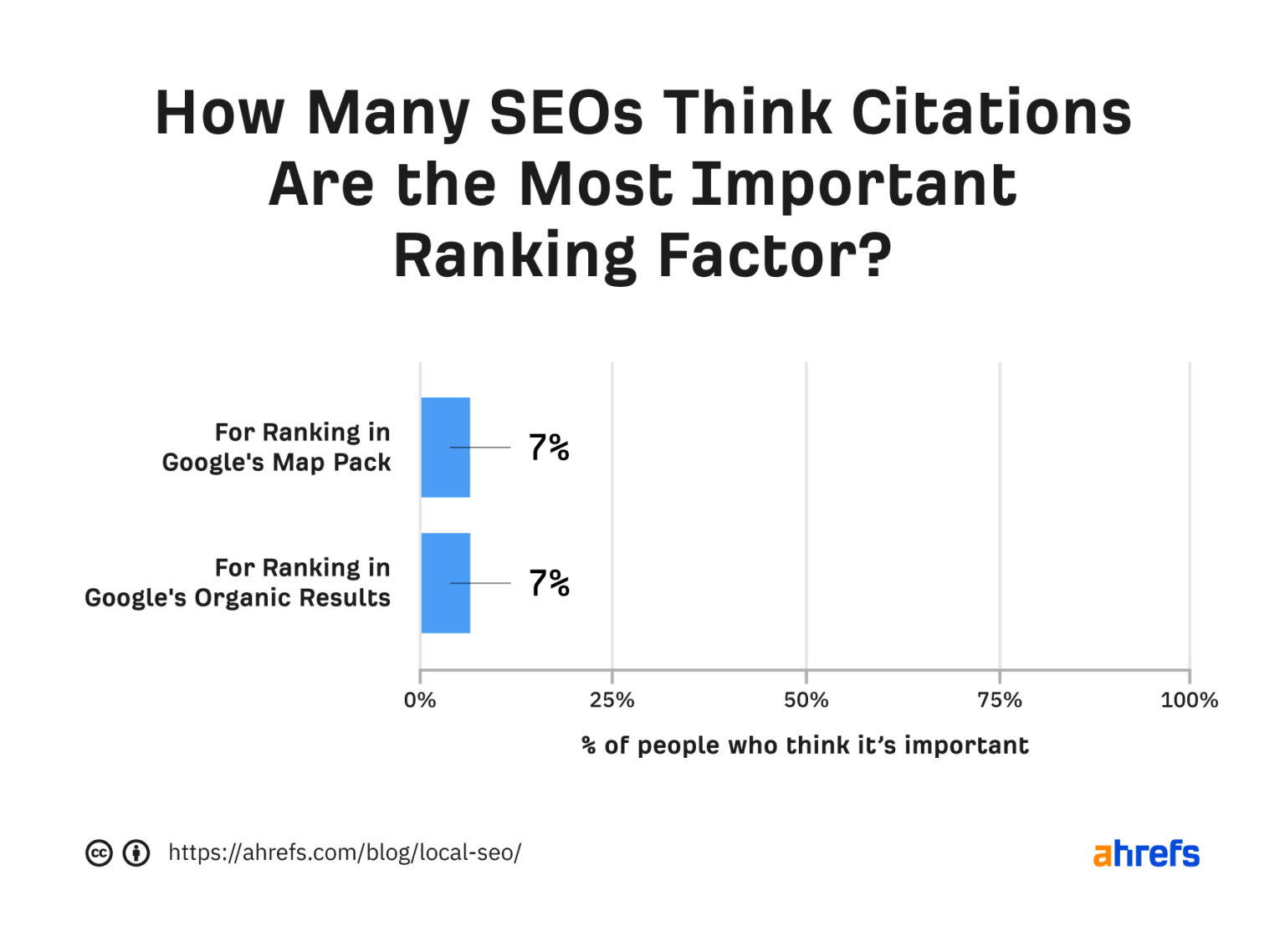
Always make sure your business is listed in directories and citation sites, such as Yellow Pages, Yelp, and the local Chamber of Commerce. Proper citation of your websites on these platforms helps increase your local search ranking and builds credibility.
- Google My Business
 ahrefs.com/blog
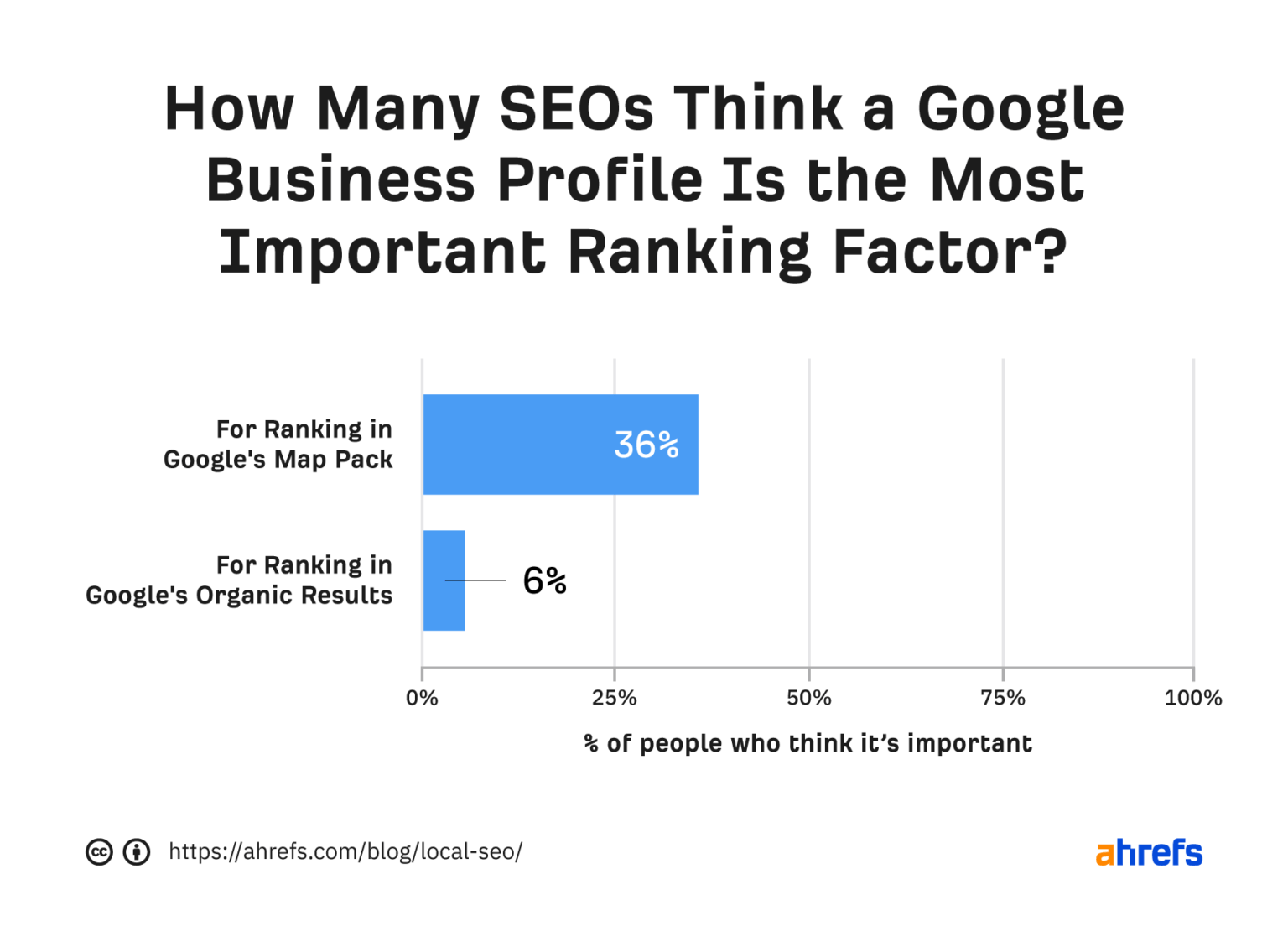
Make sure that you have fully verified and claimed your GMB listing to help boost it and make it more visible during searches. Add fresh data to your listing, put appropriate photos and posts, and actively interact with customers to rank high in local search results.
5. Monitoring and Refining Your Link-Building Strategy
To ensure the effectiveness of your link-building efforts, it’s crucial to continuously monitor and refine your strategy.
Here’s how to effectively track your progress and adapt to changes in SEO.
Using Tools to Track Backlinks
It is also critical to keep an eye on your backlink profile, as it impacts the effectiveness of your link-building strategies. Different tools can assist in observing your backlinks and the quality of the links.
- Ahrefs:
 neilpatel.com/blog
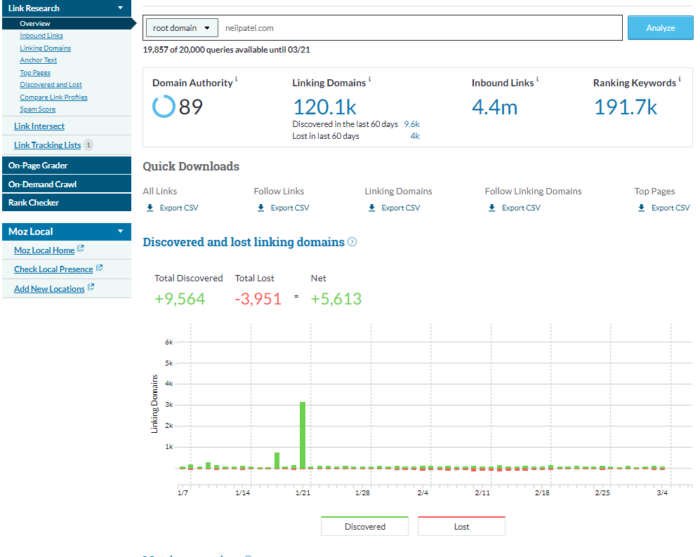
Moz offers complete backlink reports that include new, lost, and broken links. These reports also reveal information on your competitors’ backlinks, allowing you to uncover new link-building prospects.
- Moz:
 neilpatel.com/blog
Includes tools such as Link Explorer, which offers information on link metrics, domain scores, and backlink quality. Moz also provides a spam score to determine potential hazardous links.
- SEMrush:
 neilpatel.com/blog
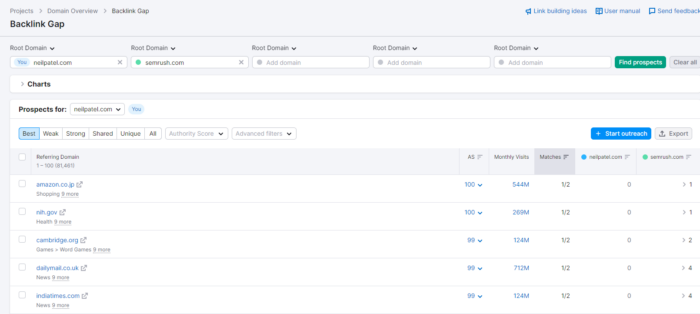
SEMrush provides a free Backlink Analytics tool for monitoring your backlinks, including the distribution of anchor texts and general link quality. It also contains data on referring domains and toxic links.
Identifying and Disavowing Harmful Links
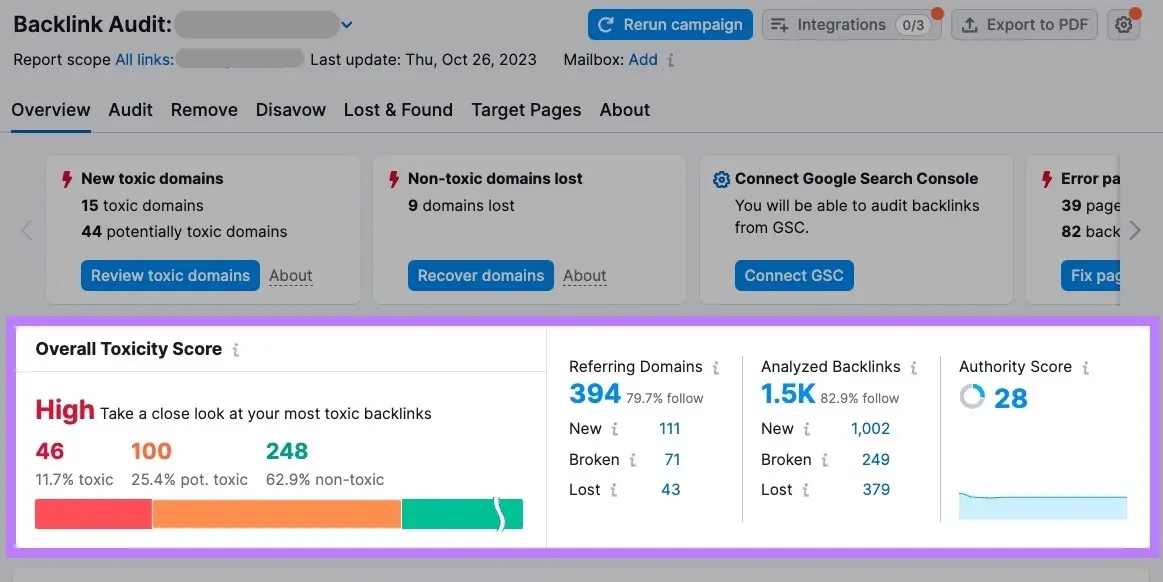
Not all backlinks benefit a website; in fact, some can be detrimental to an SEO campaign. Such links are considered toxic and can harm the SEO process. To manage these risks:
- Identify Harmful Links:
 semrush.com/blog
When conducting your backlink analysis, identify links from spammy sites, irrelevant domains, or links arising from sites with high spam scores.
- Disavow Links:
 semrush.com/blog
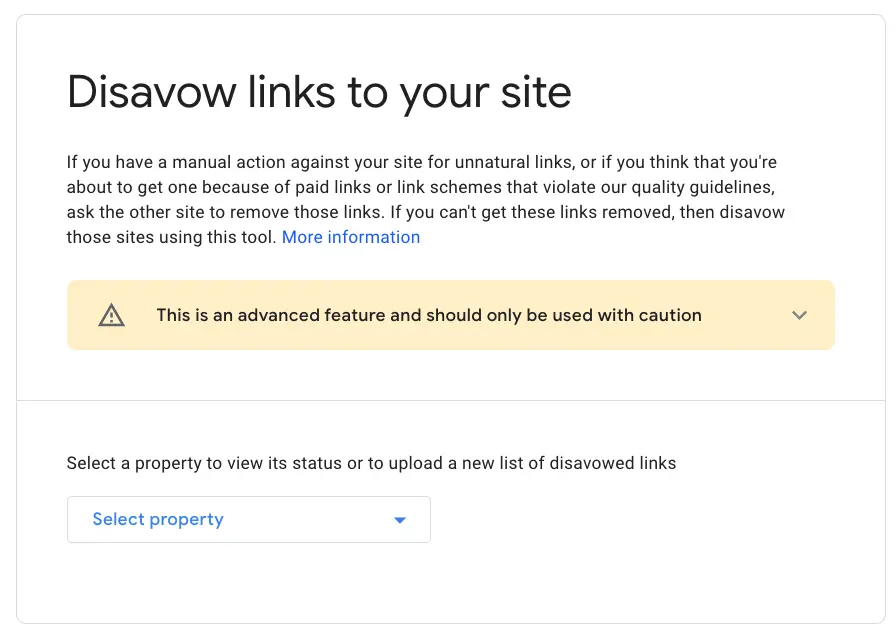
If you encounter unwanted links you cannot remove through direct contact, use Google’s Disavow Tool and inform Google to ignore such links while ranking the website. Generate a disavow file containing the URLs or domains you do not want to be associated with.
Adapting to Changes in SEO
SEO is also an ever-changing industry, and it is necessary to stay informed about the latest developments in the field. Make it a habit to read the Google Webmasters Central Blog and other relevant blogs and magazines.
Significant algorithm changes can mean changes to backlinks and your site’s standing. Continually learn by attending SEO webinars, taking courses, and reading blogs.
This helps you constantly update yourself with new strategies and tools and keep track of the best way to go about it.
The Link Finale: Mastering the Art of Backlink Success
Establishing credibility for a new website is akin to painting on a blank canvas. Start by creating content that stands out not just as good but as exceptional.
Leverage social media and personal contacts within the industry to share the message. To expand your online presence, engage with niche directories and embark on local SEO. Be mindful of your backlink profile and know SEO tactics and techniques.
Incorporate strategic link-building efforts, and you’ll see your site’s authority and visibility flourish. With persistence and the right approach, your website will soon command attention and respect in the digital world.

About the author: Vibhav Gaur, Business Head
Vibhav Gaur leads strategic operations and business growth at the organization. With a strong background in digital transformation and customer-focused solutions, he has helped numerous clients streamline their web presence and scale efficiently. His leadership ensures seamless execution across teams, with a commitment to delivering results and fostering innovation in every project.


