

Picture this: you enter a grand library, where every single book is connected with others by a magical thread of knowledge. In the beginning, these connections seem magical and enchanting to you, directing you toward boundless ideas and opportunities.
But wait, there ought to be a problem, right? I mean, how can everything be so perfect?
This is where it gets tricky because the more you move in, the more these threads multiply and tangle, crossing each other until the path becomes total chaos, leading to confusion.
The same can be said for the challenges of internal linking in SEO. When properly implemented, internal links improve your site’s relevancy and rankings by facilitating easy navigation for both visitors and search engines.
But as the saying goes, too much of anything is harmful. The same goes here.
If you go overboard with these, though, what was once beneficial turns into a maze of diversions, weakening authority and confusing search engines. The links become meaningless pieces of clutter rather than guiding directions.
Fearsome, right?
So, to give you an idea about this “dark side” of internal linking, we’ll find ways to evade it so that you don’t end up on this particular side.
Understanding Internal Linking and Its Benefits
 ahrefs.com/blog
A number of internal links provide a means of getting from one part of the website to another for both the users and the search engine. As per the data, internal links play a crucial role in on-page SEO, enhancing user experience, boosting search engine rankings, and increasing organic traffic to your site.
They serve several vital functions in an SEO strategy:
- Site Navigation:

geeksforgeeks.org
Internal links increase the chances of users finding the information they’re looking for and prolong the duration of their visit by enhancing website usability. Data shows that website users spend an average of 6.44 seconds focused on the main navigation menu, highlighting the importance of well-placed internal links for enhancing their experience.
- Crawlability: Search engines utilize internal links as a way of finding pages and content and understanding the overall structure of the website.
 semrush.com
- PageRank Distribution: Internal links pass on the value of the page, particularly PageRank, from one page to another; it helps in ranking many pages.
These benefits make internal linking extremely important, but the mistake often made by webmasters is the accumulation of too many internal links that are actually negative for SEO.
The Threshold: How Many Links Are Too Many?
Google crawlers usually handle numerous links on a page, but this can cause some issues if there are more than a few hundred. Unfortunately, the ideal number is relative and can vary depending on the website and niche, but most SEO specialists tend to stick to no more than 100 links on a single page. Often, it is advised to include 5-10 links per 2,000 words.
However, the criterion for determining whether a page has sufficient links depends on how long the page is and the quality of the content on that page.
Here’s why you should be cautious:
- Diminished Value Per Link: Google sets aside a certain amount of the “link juice” for every given page. Extending this juice to numerous links diminishes the maximum level of ranking improvement that a link can provide.
- Higher Risk of Link Spam Signals: When layouts are badly done, especially if the web pages are flooded with links, Google may consider it as spam.
Key Pitfalls of Overusing Internal Links
Overusing of internal link can lead to:
Link Dilution and Wasted Link Equity
Every link that you put on any page reduces the probable link juice that the given page can transfer to other pages. Hence, several numbers of links lead to less visibility in all the links, making the SEO benefits negligible.
Disrupted Content Flow and User Experience
The user experience of a site is essential in determining its ranking on the search engine results page. Sometimes, the number of links may overwhelm the user; hence, the user may move out of the website if the links are too many.
They also create an overload for readers, which takes their focus away from the content message, resulting in low time on the page and high bounce rates.
Notably, 88% of consumers are unlikely to return to a website with poor user experience, making it essential to strike a balance with internal links to enhance both user engagement and SEO.
Loss of Hierarchical Structure
Internal linking should follow the organization; primary pages should get more internal links pointing to them. However, the presence of excessive numbers of links causes this hierarchy to be lost, and so the search engines easily get confused about the priority of the pages.
Indexing and Crawling Issues
Overdoing links mislead Google crawlers as they will spend several minutes on the links rather than concentrating on relevant content. This is especially the case with big websites that require crawl budgets to guarantee that all valuable content is indexed.
Avoiding Overuse: Best Practices for Optimal Internal Linking
To reap the SEO benefits of internal linking without risking adverse consequences, consider the following best practices:
Prioritize Relevance Over Quantity
Link only to web pages that are related to the topic of the article and are of benefit to the reader. Creating a link in a vital context to a specific quality page is far more valuable to the site than the numerous links to insignificant pages.
In fact, 93.8% of link builders prioritize the quality of links over sheer quantity, emphasizing the importance of relevance and utility in effective link-building strategies.
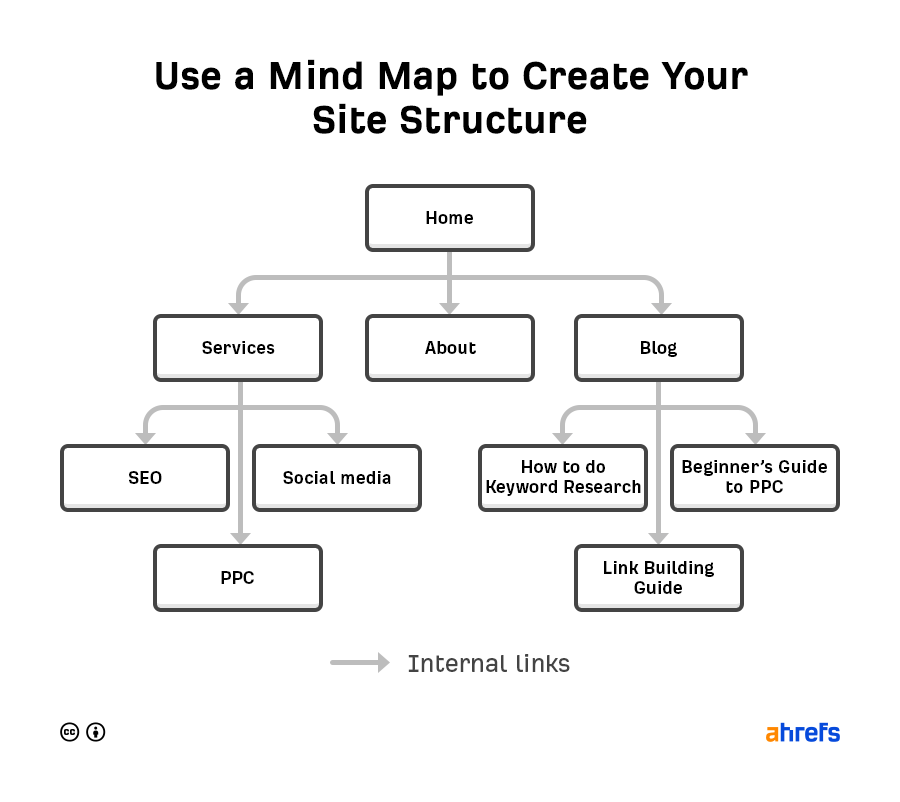
Maintain a Logical Structure
 ahrefs.com/blog
Put the links in a hierarchical order based on the layout of your website. Some of the pages will require more links, while others will need less to achieve a clear distinction.
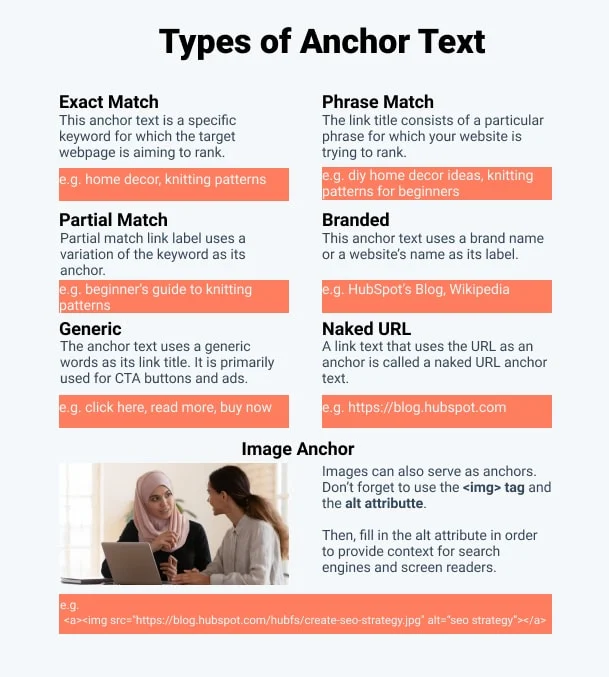
Use of Anchor Text Appropriately
blog.hubspot.com
The more descriptive and keyword-rich the anchor text, the better for the search engines, but this does not mean that the reader’s eyes should be loaded with keyword-rich links to the extent of attracting penalties.
Regularly Audit Your Links
It is best to always conduct usability audits at least once a quarter using tools such as Screaming Frog or Ahrefs and trimming unwanted or overly redundant links. This will assist in avoiding link congestion and maintaining the necessary linking strategy.
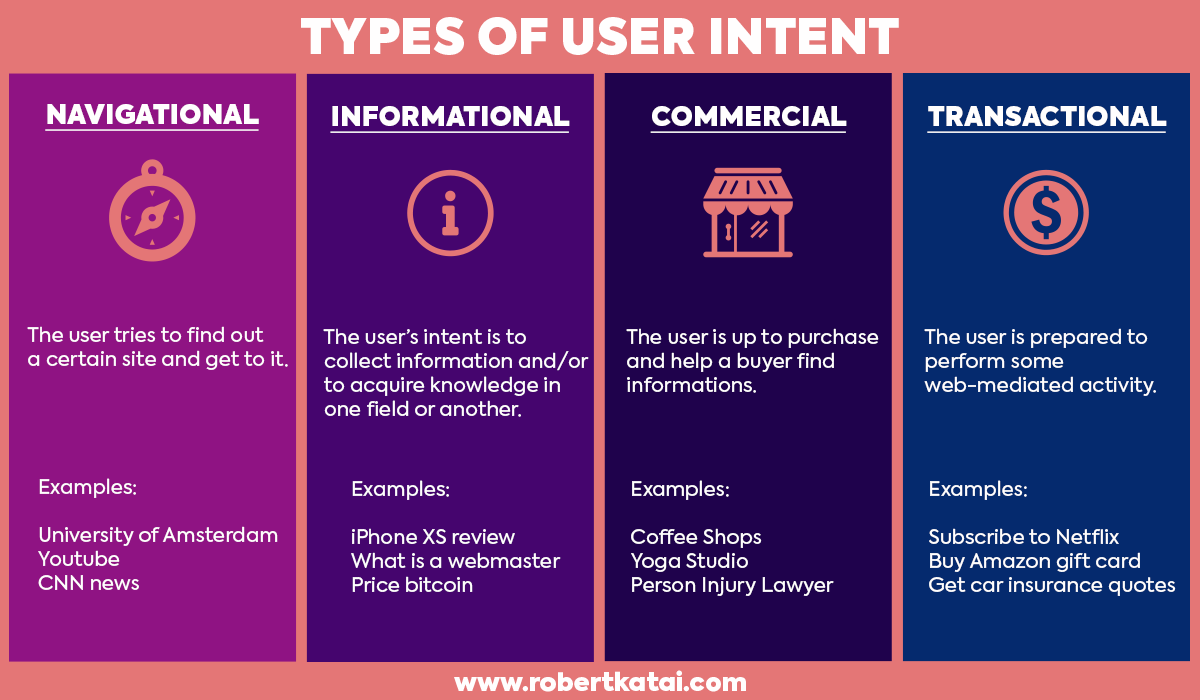
Understanding User Intent and Enhancing Engagement
 robertkatai.com
An excessive number of links may cause readers to lose interest, which would result in poor SEO signals. Here’s how to promote a satisfying user experience using internal linking:
- Carefully Direct Users: Take into account the user’s advantage and the path each link takes. In order to assist people in accessing relevant information without creating confusion, links should lead them on a meaningful path through your content.
- Steer Clear Of Link Clusters: When sections are overloaded with links, it might lead to “link clusters,” which interfere with the reading flow and make people feel overwhelmed. Link spacing should be carefully considered in order to provide a more seamless experience.
The Risk of Link Manipulation and Google’s Response
The misuse of internal links is one of the deceptive SEO tactics that Google’s algorithms are made to identify. Here’s how too many links may be dangerous:
- Algorithmic Penalization: Excessive internal links might raise red flags, especially if they are excessively optimized with keywords, but Google doesn’t punish websites for having too many links alone.
- Loss of Ranking Potential: Even if other elements of a website are optimized, manipulative linking signals can reduce the authority of the page and make it more challenging to rank.
Finding the Right Balance in Internal Linking Strategy
Finding equilibrium is essential. While too many links reduce each link’s impact, too few links might cause pages to seem lonely.
Here’s how to strike this balance:
Make Use of Topic Clusters and Content Hubs

semrush.com/blog
Links should be arranged around a few central “pillar” pages, each of which has links to several supplementary articles. You may strengthen subject authority with this structure without bombarding visitors or search engines with links.
Prioritize Link Depth Over Link Count
One important indicator is link depth, or how many clicks it takes to get to a page. To have a clean layout without overcrowding any one page, keep important pages two to three clicks away from the homepage or a hub page.
Steer Clear Of Redundant Links
An article’s page value is not increased by including many links to the same page. Actually, it weakens the link equity and could even make it harder to read.
Tools for Monitoring and Managing Internal Links
You can track and examine your internal links with the use of a number of SEO tools, which will enable you to find and eliminate any connections that are superfluous. Among the best tools are:
- Frog Screaming SEO Spider: This tool gives you a thorough overview of all the links on your website, making it simple to identify pages with excessive irrelevant connections.
- Ahrefs and SEMrush: Both programs may identify areas with excessive or poor internal connections and offer useful link reports.
- Google Search Console: By offering information on how search engines perceive the structure of your website, the internal link report can assist in identifying pages with a high number of links.
Less is More in Internal Linking
Strategic placement, relevance, and clarity are more important for a successful internal linking strategy than volume.
Put quality before quantity, check your connections frequently, and remember that sometimes less is more when it comes to internal linking.
Learn how to avoid the over-linking problem and organize your links for optimal SEO impact.
Take charge of your website’s user experience and search engine rankings by delving further into clever linking techniques. Start optimizing now, and together, we can transform your link labyrinth into a route to SEO success!

About the author: Vibhav Gaur, Business Head
Vibhav Gaur leads strategic operations and business growth at the organization. With a strong background in digital transformation and customer-focused solutions, he has helped numerous clients streamline their web presence and scale efficiently. His leadership ensures seamless execution across teams, with a commitment to delivering results and fostering innovation in every project.


