
Numerous sites post dozens of blog posts that struggle to appear in AI-powered search results or Google’s top rankings. This is not due to a lack of content but to a lack of topical depth.
Online search engines and AI systems are more focused on sites that can demonstrate expertise in an entire subject and not on single keywords.
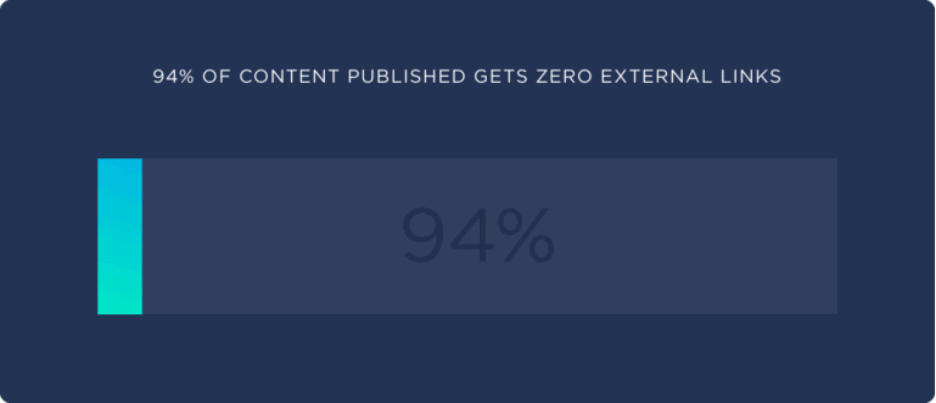
According to the Backlinko data, 94% of online content does not get any external backlinks, which means the vast majority of pages do not gain authority signals that allow the search engines to trust them.
This shift necessitates topical authority. Search engines recognize a site as reliable that addresses a subject comprehensively and connects it to other related content logically.
Consequently, the brand is more likely to achieve consistent rankings and appear in AI-generated search results. Learning how to build topical authority for AI search rankings has hence become essential for maintaining a strong and sustainable organic presence.
This blog explains the importance of topical authority and how to develop it fast and efficiently.
What Is Topical Authority in SEO?
Topical authority is the proven expertise of a site in a particular topic. In contrast to traditional SEO, where emphasis is put on individual keywords, topical authority considers how well a site addresses related concepts and subtopics.
A site that covers a subject matter comprehensively indicates expertise, experience, and credibility. An example is a site focused on AI SEO, which publishes content about keyword research, AI content optimization, semantic SEO, and search trends. Every piece supports the others to create a structured knowledge hub.
When these pages are internally linked, it helps search engines get an idea of the site’s expertise. To understand how to build topical authority for AI search rankings, one should start by understanding the importance of depth and consistency, rather than by focusing on individual pages.
Why Topical Authority Wins in AI Search
Topical authority provides websites with a competitive advantage in AI-driven search since the search engines and AI systems prefer sources that exhibit expertise throughout a specific topic and not just individual pages or keywords.
AI Search Prefers Trusted Sources
The AI-powered search engines generate answers based on reliable and authoritative websites. Sites that regularly update on a topic become reference points to AI models.
Frequent coverage on a variety of related subjects is a sign of credibility, increasing the probability of being cited in AI-generated summaries. It is not only content that gives authority, but also the backlinks, structure, and topical consistency.
AI Understands Topics, Not Just Keywords
The contemporary AI and search algorithms examine context, entities, and correlations among concepts. They do not just use keywords, but consider the level of explanation of a topic and its supporting subtopics.
An article on AI SEO that addresses the question of semantic optimization, search intent, and ranking factors that are based on AI is more successful than a short article with keywords. This shift focuses on systematic coverage of topics as opposed to isolated keywords.
Comprehensive Websites Get Featured in AI Overviews
AI-generated overviews prefer websites that discuss subjects in detail. As an example, Backlinko highlights a topic cluster is ranked in the top 29,000 keywords and generates over 158,000 visitors, indicating how comprehensive pillar and cluster content strengthens content authority.
Structuring content into a main pillar page with a series of related articles gives an impression of authority and prompts AI systems to recognize the site as a credible source, guaranteeing a wider exposure and presence in AI search engines.
How Topical Authority Strengthens Credibility
Topical authority has a direct influence on how a website can demonstrate expertise, experience, authority, and trustworthiness, which are the criteria examined by search engines to assess reliability.
- A thorough, consistent content demonstrates proficiency within the subject matter
- Experience is reflected in practical examples, case studies, and real-world insights
- Relevant and authoritative websites are capable of providing backlinks that establish authority
- Trust is created through accurate, well-organized, and structured content
- Those websites that exhibit these attributes have better chances of being ranked higher and featured in summaries generated by AI, which contributes to the overall credibility
Signs Your Website Has Topical Authority
You can measure topical authority through several indicators that reflect both search engine trust and user engagement.
- Ranking for multiple keywords within the same niche shows that the site covers a topic in depth and signals expertise to search engines.
- Effective internal linking amongst the related pages assists search engines in grasping the connection in content and considers the site a structured hub of knowledge.
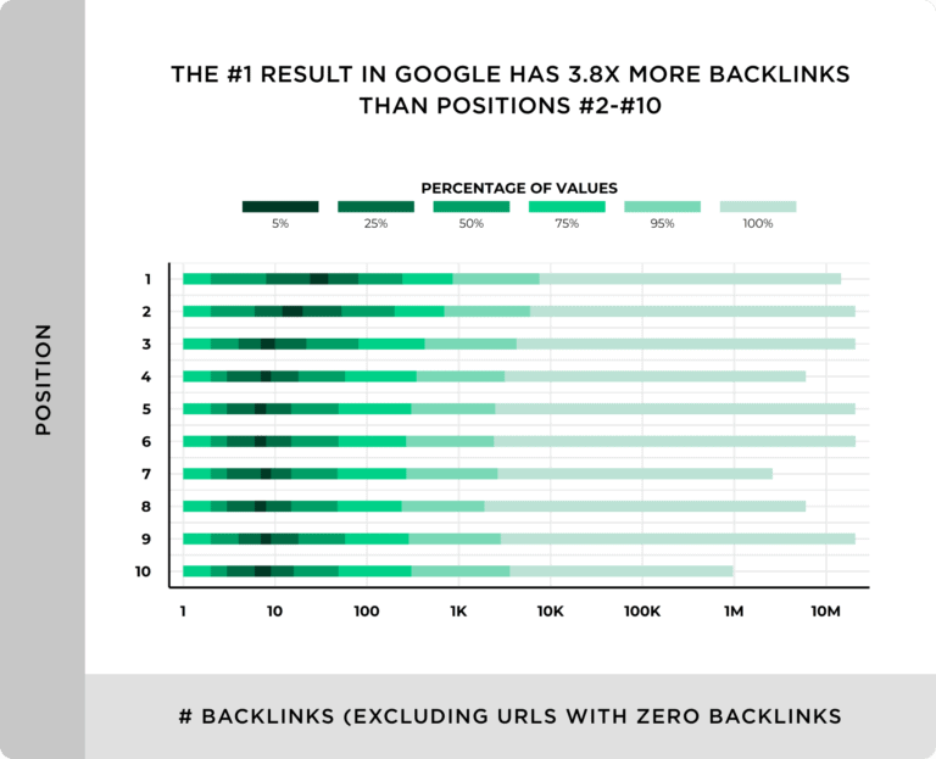
- Authority is enhanced by backlinks on relevant websites that are niche-specific. According to research conducted by Backlinko, the top ranking result in Google has an average of 3.8x more backlinks than the ranking positions 2-10, indicating the significant role of strong backlink profiles.
- Regular traffic on various topics related articles means that the site has been recognized by the users and search engines as a credible and reliable source.
All these indicators together reveal how strongly a site is building its authority in its niche.
How to Build Topical Authority Fast
To establish topical authority within a relatively short period, a specific approach is needed, which is content depth. A structured organization and credible backlinks make search engines perceive your site as a reliable expert in its field.
Step 1: Choose a Clear Core Topic
Begin by choosing a focused subject area. Sites that discuss irrelevant issues can weaken their expertise cues, and their core niche can be more difficult to detect by search engines. By specializing in one area, like AI SEO or link building techniques, you can build depth and authority in your site.
All the supportive articles must correspond to this theme, answering corresponding questions, subtopics, or insights. This systematic practice is an indicator of mastery of the subject and establishes the basis of how to build topical authority for AI search rankings efficiently.
Step 2: Create Topic Clusters
Arrange content based on the central pillar page covering the primary topic. Supporting articles should discuss subtopics and link back to the pillar.
An example might be an article on pillar guide on AI SEO, which might have links to articles about AI keyword research, AI content optimization, and AI search trends.
Such an arrangement enhances crawlability, increases the contextual relevance, and makes the pillar page the focal authority in addition to increasing the credibility of cluster pages.
Step 3: Publish Comprehensive Content
In-depth content provides value to the reader and high levels of relevancy to search engines. Include explanations, giving examples, data insights, and frequently asked questions.
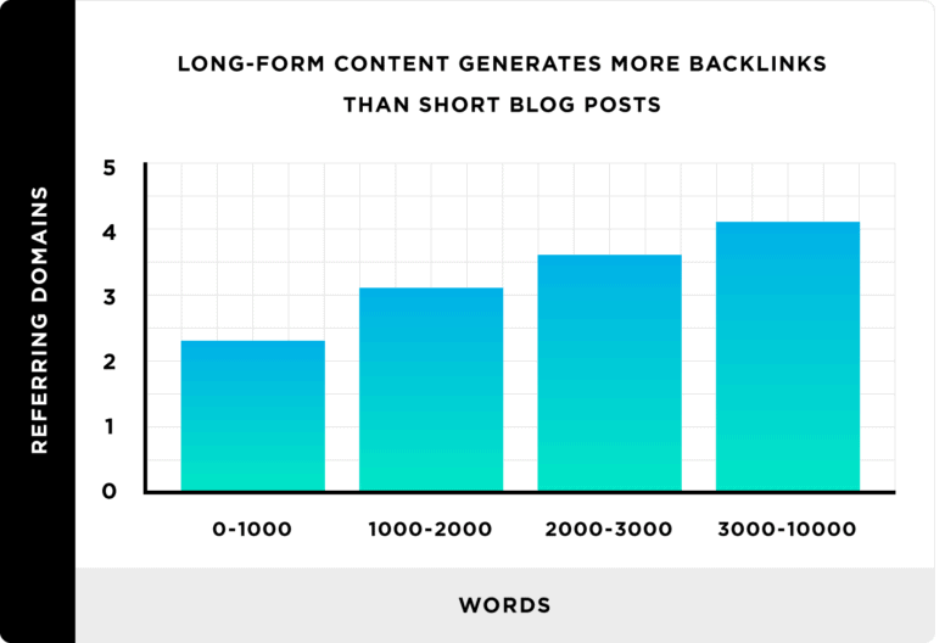
Backlinko study reveals that longer pieces of content receive considerably 77.2% more backlinks compared to short articles. Detailed articles also enhance user experience, which provides good signals to the engines and increases the authority of the site in the long run.
Step 4: Build Strategic Internal Links
Associated pages are linked internally and form clear directions that assist search engines in grasping the connections between topics. Linking the high-performing pages to more recent articles distributes authority and increases crawlability, as well as enhances the topicality of the entire site.
An example would be to have an AI SEO guide connected to pages about key research, content optimization, and technical SEO to create a knowledge hub.
Step 5: Earn Authority Backlinks
Backlinks still seem to be a leading authority signal, although relevance plays a vital role. Relevant links through niche-based sites have greater weight than irrelevant sources.
According to Semrush reports, relevant websites’ backlinks have a significant influence on ranking as opposed to generic links. Some of the effective strategies would be guest posts, digital PR, and industry collaborations.
Together with powerful content clusters, backlinks with relevance will speed up the development of authority and enhance the stability of long-term ranking.
Common Mistakes That Prevent Topical Authority
- Posting content without a proper plan undermines authority since search engines are unable to discover the expertise of the site
- Producing random articles on irrelevant subjects dilutes topical relevance and creates confusion for both users and search engines
- Creating low content that covers the issues only on the surface is unlikely to generate backlinks or long-term traffic and restricts coverage
- Poor internal linking means that the search engines fail to understand articles as part of a knowledge structure
- Unpredictable publication creates drag, since topical authority develops over time through constant, up-to-date material as opposed to infrequent posts
By avoiding such errors, the content strategy can be kept on track, and the signals of the authority of the site can be reinforced consistently.
The Future of SEO: Topic Authority Over Page Authority
Search optimization is no longer focused on the rankings of single pages but on the domain in general, with AI-driven search systems favoring websites that consistently demonstrate knowledge across a subject.
Rather than depending on individual articles, websites have the advantage of building content hubs that integrate in-depth articles, intentional internal connecting, and authority cues. This model creates a stable information ecosystem.
With the development of AI search, the sites with an emphasis on depth, accuracy, and structured coverage of the topic will be more competitive and visible in both conventional and AI search results in the long run.
Building Authority for the Future of Search
Topical authority has become a defining factor in modern SEO because search engines increasingly prioritize subject expertise over isolated keyword optimization. AI-driven search systems analyze how comprehensively a website explains a topic and how consistently it publishes relevant information.
Websites that build structured content clusters, maintain strong internal linking, and attract niche-relevant backlinks demonstrate clearer expertise signals.
Developing this authority requires strategic planning rather than random publishing. A focused topic, interconnected content, and reliable sources of credibility help search engines recognize a website as a trusted knowledge hub.
Businesses that invest in these foundations can strengthen their visibility in both traditional search rankings and AI-generated results, positioning their content as reliable answers for users seeking accurate information.


