
In luxury, attention isn’t chased. It’s curated.
Everything revolves around perception. A brand does not merely sell a product; it sells an experience. A brand encompasses a lifestyle, identity, and existence. The purchase of luxury goods is not simply about buying in excess. To luxury buyers, shopping is no longer limited to high fashion; it now includes fine jewelry, exclusive travel, and luxury home decor. Luxury shoppers do not limit themselves to shopping.
And where does that alignment often start? Search results.
Luxury doesn’t seek attention. It commands it.
That presents a challenge. How do you build online authority for brands that thrive on exclusivity? One answer: link building. But not the kind done by the dozen. The kind that’s thoughtful, rare, and placed with care.
You don’t need links from just anywhere. You need them from somewhere that matters. From respected fashion editors, lifestyle titles your audience already trusts, and digital spaces that reinforce your brand’s world.
That takes strategy. And more importantly, it takes the right agency, one that understands both SEO and the subtleties of luxury positioning.
This guide breaks down how link building works in this space, which agencies are doing it best, and why the right links aren’t just helping brands rank, they’re helping them resonate.
In a digital world obsessed with noise, luxury brands master the art of the whisper.
What Link Building Really Means for Luxury Brands
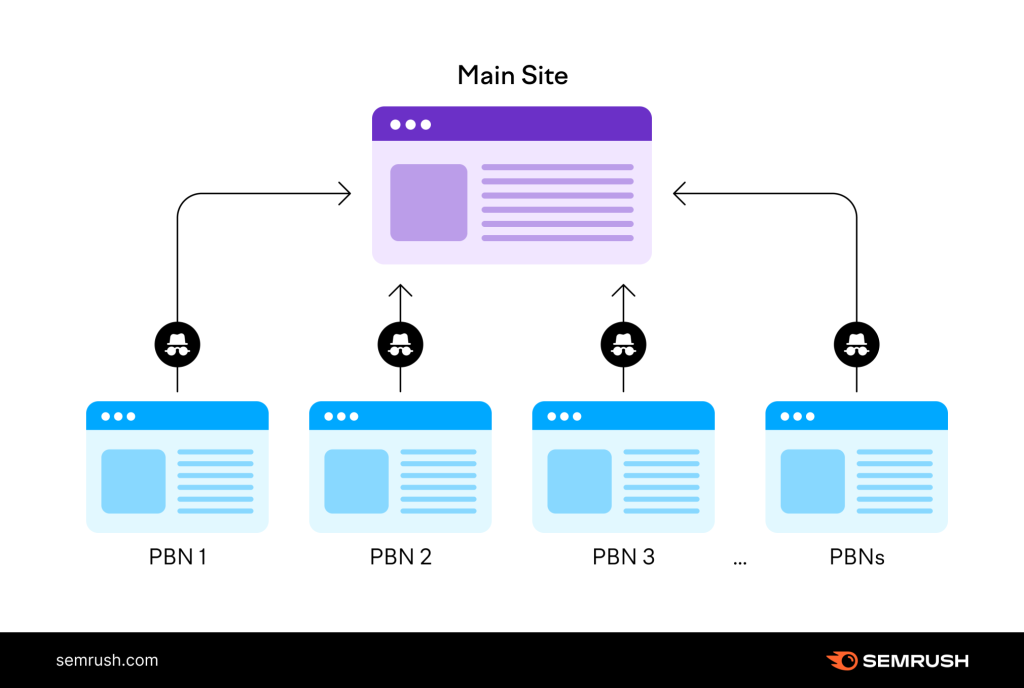
Technically, link building is about getting backlinks from other websites. But in this space, it’s not about quantity. It’s about endorsement.
A high-quality backlink here isn’t just a traffic driver; it’s validation. It says: You belong in this conversation. You belong in this circle.
Presence online is no longer optional; it’s existential.
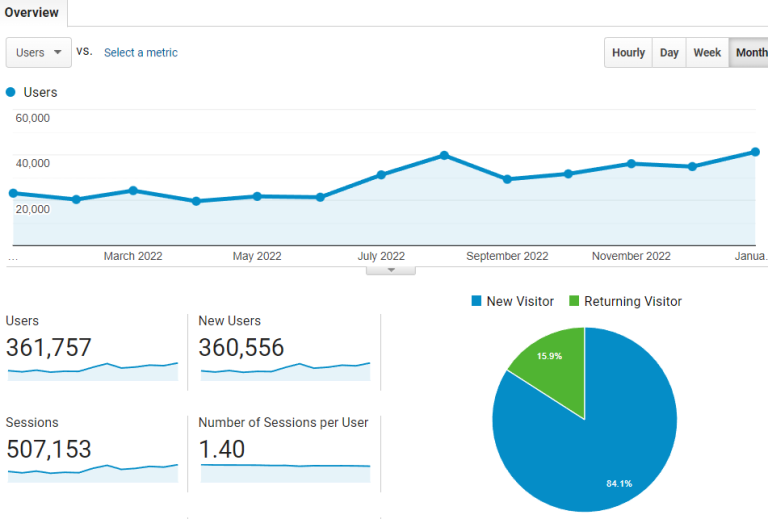
In 2024, it was projected that online purchases accounted for 25 to 30 percent of luxury shopping. Moreover, online luxury shopping is set to reach a staggering $91 billion by 2025. Moreover, almost 80 percent of luxury consumers interact with at least one digital platform and engage with content before making a purchase, whether in-store or online.
That places link building not just at the intersection of search, but squarely in the realm. That’s where backlinks come in. They shape discovery and move someone from awareness to aspiration. From clicking a Vogue feature to walking into a boutique.
And it’s not just about SEO metrics. Sure, backlinks build domain authority, but the real win is what happens when you land a mention in Architectural Digest or collaborate with a design-forward blog. It creates an association. That’s the currency.
Mass market brands are playing the numbers game. Luxury is playing the long game. The placement must feel organic, not forced.
So, in essence, it’s link building as brand building.
Why the Right Agency Makes All the Difference

Understanding link building is one thing. Executing it in a way that aligns with a brand built on scarcity and aspiration? That’s something else entirely.
Most luxury teams don’t have the time, network, or bandwidth to manage this level of precision in-house. That’s why they work with specialists.
Not just SEO agencies, but partners. These are people who understand the tone, the timing, and the nuance.
The best agencies in this space don’t pitch blindly. They are placed strategically. They understand editorial calendars, audience fit, and what makes a luxury brand feel legitimate in digital spaces.
So, who are they? Let’s break it down.
Top Link Building Service Providers for Luxury Brands
These aren’t just link builders. They’re tacticians: people who understand exclusivity, context, and the difference between visibility and resonance.
Here’s a closer look at the firms that consistently get it right in the luxury space:
1. Outreach Crayon
Expertise in High-End Blogger Outreach and Editorial Placement

Outreach Crayon is a leader in the manual outreach niche, showcasing boundless potential in luxury fashion, wellness, travel, and interiors. Their strength lies in what they call manual outreach, real conversations that differ from mass email outreach and publisher collaborations that feel organic rather than imposed.
They’re not trying to win on volume. Instead, they focus on long-term relationships with publishers that actually matter to luxury audiences. Think: home design blogs with influence, not just domain authority. Fashion sites with taste, not just traffic. For brands that need links to fit within a curated digital identity, Outreach Crayon knows how to pitch, where to place, and how to keep things on brand.
2.LinkCrayon
Link Building Tailored for Luxury Brands
LinkCrayon is a leading link-building marketplace, offering hand-crafted link acquisition in accordance with a firm editorial stance and a profound respect for brand fit. They do not undertake pitch-driven outreach or transactional placements. Instead, they specialize insightful editorial collaborations that speak to the subtlety luxury brands demand.
With relevance, quality, and unique focus, LinkCrayon handpicks backlinks that fit seamlessly into digital narratives. Whether it’s a mention on the industry-leading interior design blog or a subtle inclusion in a lifestyle post, each link is organically earned—never spun.
Their experience covers everything from fashion, wellness, and architecture to luxury travel. Besides, they understand that perception is reality in the luxury space. Their placements aren’t just supported by SEO—they’re supported by brand reputation.
3. The Upper Ranks
Bespoke Link Building Grounded in Relationship-Driven Outreach
The Upper Ranks has built its name on one thing: doing the slow work well. Their outreach isn’t about quick wins; it’s about real relationships with editors, publishers, and content creators in luxury adjacent spaces.
They’re the kind of agency that finds the right horology blog for a watch brand, or the ideal experiential travel piece for a boutique hotel. Every placement feels deliberate; tailored. They don’t scale for scale’s sake, and that’s precisely why they work for high-end brands that value nuance.
4. Page One Power
Data-Driven Strategy Combined with Lifestyle Publisher Reach
Page One Power combines analytical precision with editorial savvy. The company’s deep dive research begins with competitor audits, backlink profiling, and market analysis, culminating in insightful, niche marketing outreach.
In the luxury segment, that entails strategic link building that enhances search visibility and simultaneously reinforces brand authority. The team is particularly adept in site verticals where lifestyle, fashion, and health dominate, and where tone, trust, and timing are critical.
5. Digital Olympus
Co-Marketing and PR Focused Link Strategies for Boutique Labels
Digital Olympus prioritizes community engagement in its link building strategy, favoring content partnerships and co-marketing efforts over traditional cold outreach. They design link strategies that lean more toward digital PR rather than traditional SEO.
They are more likely to source brands through digital channels and do not care about raw domain authority. Focus is shifted to engagement, audience fit, and contextual relevance. For boutique labels that want to grow without shouting, their emphasis on collaboration and subtle brand integration makes a lot of sense.
6. BibiBuzz
Agile, Influencer Savvy Campaigns with Luxury Publishing Acumen
BibiBuzz is a boutique shop with serious luxury credentials. Fashion, travel, and hospitality they’ve played a part in all of it. What makes them different is their feel for timing. They understand when to promote seasonal gift guides, when influencer listicles trend, and how to leverage publishers’ editorial calendars in order to get the right place, right time mention.
Their campaigns will tend to combine influencer visibility with editorial credibility, providing brands with a backlink that will last longer than the reading of the SEO report. Clever, nimble, and chic, their work shares the same lexicon as the brands they’re working for.
Why Strategy Still Wins in the Luxury Space
Before diving into how luxury brands approach link building, it is helpful to understand the differences that make this space stand out and why well-planned strategies are more desirable than sheer effort.
Most industries primarily rely on link building to improve ranking, but in luxury, it is about positioning. One mention in a luxury publication like Wallpaper or Condé Nast Traveler supersedes a dozen directory links, not due to traffic but because of the trusted readership. Reliable recognition is critical in capturing these high-value buyers.
Just 13.9% of luxury purchases are made online, but close to 80% of purchase intent begins there. It’s a clear signal: the path to the boutique starts with a search, a story, or a subtle nudge in someone’s feed.
This is where SEO stops being only SEO. It intersects with public relations, influencer marketing, and brand narrative.
You’re not only earning links. You’re shaping perception.
The agencies that do this best aren’t chasing volume. They’re more focused on curating a narrative. They make placements that exist at the intersection of authority, relevance, and taste. The backlinks that make sense in a search report and do not make sense in a brand report are the best.
So, what does that actually mean?
Between Strategy and Execution: The Intangible Edge

Link building for luxury is not a formula. It is a craft.
Execution gets the job done. But in between, where the brand magic is perceived, is where the real magic is.
Luxury doesn’t demand more visibility. It demands the right visibility. For Google, a link is a green light and a silent endorsement from a trusted source. When a skincare brand is featured in an editorial or a furniture brand is quoted in a design piece, it is more than traffic. It is validation, context, and cultural capital.
This is what link building makes in this world so different. It doesn’t shout. It does not chase. It quietly, intentionally, and precisely aligns.
Every link should feel like a natural extension of the brand visually, tonally, and emotionally. It should feel earned because luxury consumers don’t respond to noise. They respond to what feels credible.
So, as we move into tactics, keep that in mind: this isn’t just about SEO wins. This is brand building, carried out in backlinks.
The Difference Is in the Details
Execution matters. But so does presentation. A high-quality link pointing to a lackluster landing page? That’s a lost opportunity.
Luxury brands need:
- High authority features, not mass mentions
- Contextual relevance over technical SEO hacks
- Pages that look as elevated as the content linking to them
And it all needs to feel intentional from the editorial tone to the visual experience after someone clicks.
This is especially true on mobile, which dominates luxury e-commerce in key markets. In Asia, 76% of all luxury purchases made online happen via mobile. In Europe and North America, mobile continues to close the gap on desktop, changing how buyers experience your brand’s digital presence.
The Bottom Line: Curated, Not Crowded
Link building for luxury brands is not about being everywhere. It’s about appearing exactly where your audience expects to see you, trusted, admired, and contextually aligned.
Precision wins.
Relevance rules.
Exclusivity matters.
When done right, link building doesn’t just drive SEO results; it builds a reputation. It also signals to both users and algorithms that your brand doesn’t chase attention; it earns it.
Especially when nearly one in three luxury buyers now expect to discover brands through digital-first channels.
Every luxury brand embodies the hallmark of understated confidence, and the right agency partner helps you stand out from the competition and reflect the luxury brand that you truly are.

About the author: Vibhav Gaur, Business Head
Vibhav Gaur leads strategic operations and business growth at the organization. With a strong background in digital transformation and customer-focused solutions, he has helped numerous clients streamline their web presence and scale efficiently. His leadership ensures seamless execution across teams, with a commitment to delivering results and fostering innovation in every project.


