
You have spent hundreds and hundreds of hours building your cybersecurity firm’s website, but leads are barely trickling in, visibility is low, and the rankings are stagnant. Now you ask yourself why your expertise isn’t attracting high-value clients?
You understand that in this business, trust is the key, but when the clients type in the request, trying to find the best ransomware protection provider, your pages do not show. In the meantime, competitors dominate search results with authoritative backlinks.
Such a disconnect frustrates, as SEO is not just about keywords: it is about credibility.
Here’s the crux: as of 2025, backlink profiles are still considered one of the most vital Google ranking factors, along with high-quality content. But not all backlinks are good.
Low-quality or spammy links may lead to penalties or even security vulnerabilities like malware, bandwidth theft or reputation loss when linked from compromised domains. On the other hand, authoritative backlinks from trustworthy sources in the industry significantly enhance visibility and reliability in your niche.
You’d rather have your content – not link farms – signal authority.
Therefore, you require an organic backlink strategy that develops trust identifiers, improves ranking, and captures discerning cybersecurity consumers who have deep-pocket requirements.
Interested in knowing how that can be achieved in your business? Let’s dive in.
Why Backlinks Are Non-Negotiable for SEO Success?
Backlinks are similar to digital referrals.
When your content gets linked by a reputable site, it sends a signal to Google: “This is a source that can be trusted.” This is why, as of 2025, link-building continues to be an important element of any cybersecurity SEO strategy.
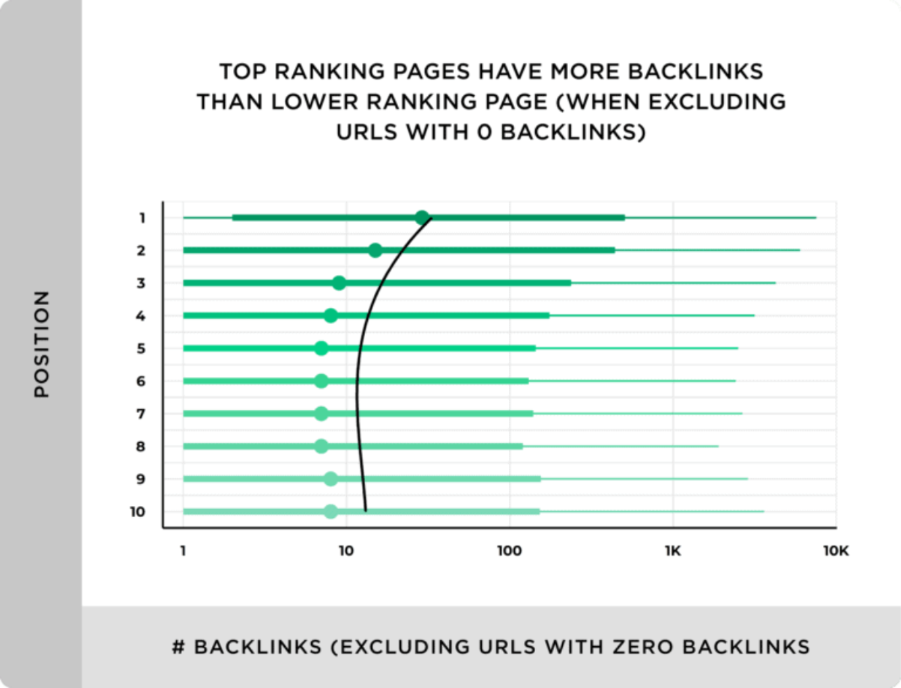
Indeed, studies conducted by Backlinko have found that higher-ranking pages always have more backlinks than lower-ranking pages, which once again proves that backlinks are one of the strongest ranking factors in Google.
For the cybersecurity brands, it is particularly essential to earn those trust signals. Your customers fear fraud, hacking, and phishing. A well-earned backlink from a trusted industry publication, association, or event shows customers that you have credibility even before they click.
Moreover, links from contextually relevant and high-authority websites also assist in establishing your domain as a topical expert. This is the way you win the favor of Google and the trust of your prospects.
Don’t Let Toxic Backlinks Compromise Your Brand
When you are in a sector where security is your core promise, bad backlinks can be really damaging. Certain cybersecurity websites unknowingly attract inbound links from suspicious, outdated, or even hacked domains, which not only negatively impact their rankings but also their credibility.
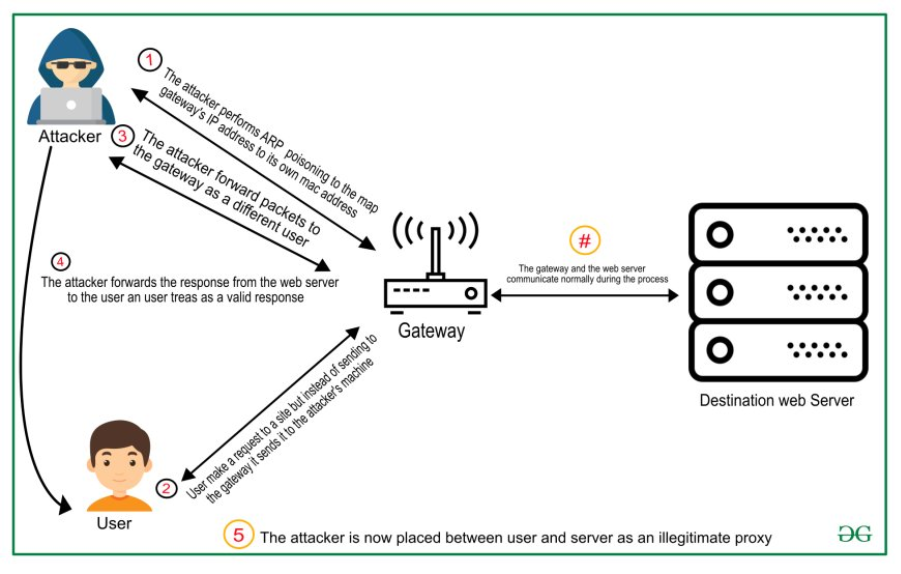
There may also be negative SEO attacks where the malicious actor points harmful links at your site in order to get it penalized. Cybersecurity Awareness Magazine states that malicious domain links may result in the introduction of malware or bandwidth abuse.
In order to prevent this, a frequent backlink audit is essential.
You can use tools such as Ahrefs, SEMrush or Google Search Console to flag spammy links. Disavow them when you need to, with the Google Disavow Tool. Consider this to be your digital reputation clean-up- it is all about perception in cybersecurity.
How to Build Backlinks That Actually Work?
Backlink-building is not the process of pursuing all links but, rather, developing strategic links that can boost credibility and deliver actual outcomes. In cybersecurity, where credibility and authority are key factors, the quality of your backlinks will always trump quantity.
Here are established, safe methods to create backlinks that push the SEO needle- without risking the reputation of your brand.
1. Guest Posting and Thought Leadership
Target the best cybersecurity blogs, compliance sites, or even SaaS partner websites to publish your expert-led articles. Share expertise on such topics as zero trust architecture, ransomware preparedness, or audit readiness. This is what builds authority and high-quality links.
Tip: Target websites that have a Domain Authority (DA) of 40 or more. You can use tools such as MozBar to analyze the quality of a site prior to pitching.
2. Publish Case Studies That Get Shared
Develop detailed case studies demonstrating measurable success, such as a decrease in time to detect and respond to an incident, averted breach that would have proved expensive, or achieving compliance before the deadline.
Concentrate on those outcomes that are relevant to your target audience. Add some visuals, timelines and direct quotes of the clients to enhance authenticity and interest.
After it is published, ask your clients, partners, or industry contacts to share it and link to it from their websites, LinkedIn posts, or newsletters. You might also recycle the same material into infographics, slide decks, or brief videos to increase platform coverage.
Search engines love this sort of special, statistics-heavy content, and so do readers. Such studies develop credibility and authority, and are commonly linked to by journalists, bloggers, and higher-end niche sites eager to quote authoritative examples.
You do not need to have dozens; just one good case study, when promoted strategically, can turn into a backlink magnet.
3. Leverage Industry Podcasts and Webinars
The podcast interview and guesting in the webinar are backlink goldmines. The majority of hosts include links to your site in the show notes or description. And you get brand exposure and trust-building in front of niche audiences.
4. Fix Broken Links (and Get Rewarded for It)
Broken link building is a low-hanging fruit. You can use a tool such as Screaming Frog or Check My Links to find broken industry blog resources. Then contact to propose your page or article as a substitute.
It is a win-win situation: they update their broken links, and you get a credible backlink.
5. Secure Listings in Reputable Directories
Niche directories, such as lists of cybersecurity vendors, partner directories, or compliance certification boards, commonly have SEO-friendly backlinks. They also assist with local SEO in case you wish to target certain areas or industries.
Do not use generic, outdated directories. Concentrate on the ones that your clients read or respect. Consider where your audience is likely to go to vet vendors or compare service providers.
These might be curated lists by analysts, reliable review sites or category-specific marketplaces. Listing does more than create links- it confirms the legitimacy of your firm.
Moreover, being listed on approved registries is useful both in terms of SEO and sales because many compliance-driven clients also choose providers listed on such registries. Simply make sure that the directory is editorially controlled and does not publish everything blindly.
6. Planning a Long-Term Backlink Strategy
Begin with your content. Which are the most intent keywords your ideal clients are searching for? Your content clusters should be determined by the use of terms such as HIPAA-compliant SOC provider or CMMC assessment firm.
Next, develop valuable, high-quality content, whitepapers, webinars, blogs, or tools, that other people will be interested in referencing. Then, find your best backlink opportunities: security media outlets, research sites, event directory, and partner sites.
Keep track of your progress on a regular basis. Utilize tools to track new links, lost links and measure the strength of the referring sites. The more backlinks you have, the more your rankings and organic leads will increase.
How SEO and Cybersecurity Intersect?

Good backlinks assist SEO. But cybersecurity is beneficial to SEO as well.
Here’s how: A safe, fast, and mobile-friendly site lowers bounce rates and increases dwell-time, two behavioral signals that search engines favor. Conversely, sites with malware warnings or inconsistent use of HTTPS are penalised in terms of both credibility and ranking.
With that said, good SEO hygiene is not just about technical fixes. Incorporating cybersecurity in your SEO plan will allow you to safeguard both your brand and your customers. In case the search engines find the suspicious scripts or malicious redirects, your site may be flagged or deindexed as a whole.
Using SSL appropriately, backend database securing, and plugin patching are equally important as creating optimized content. Also, keeping an eye on your outbound links can be useful to make sure your site is not, by default, pointing to hacked domains, which can pull your site down in the rankings and reputation.
Bottom line?
Your link-building campaign must be accompanied by solid site security. This involves the utilization of firewalls, keeping track of outbound links and guarding against your site becoming a source of links to spam.
Real-World Example of Effective Link Building
Let’s say your cybersecurity firm specializes in enterprise ransomware protection. You publish a data-rich case study showing how you reduced a client’s average incident response time by 52%. Then, you:
- Pitch a guest post about ransomware playbooks to a trusted blog.
- Share insights on a podcast about zero-day response strategies.
- Submit that case study to a compliance-focused SaaS partner for newsletter inclusion.
- Offer a free tool that calculates ransomware readiness, and promote it on Reddit’s cybersecurity forums.
Each touchpoint earns backlinks from trusted, relevant domains. The result? Within months, your site ranks on Page 1 for “ransomware audit checklist.” More importantly, high-intent leads start converting from your organic traffic.
Build Trust, Not Just Links
In cybersecurity, trust is non-negotiable. That’s why your backlinks need to come from real relationships, real expertise, and real value—not shady link farms or shortcuts.
Start with solid content. Target the right keywords. Connect with the right platforms. Clean your backlink profile regularly. And measure what works.
Backlinks aren’t just about Google—they’re about credibility. When done right, they’ll boost your visibility and your reputation, helping you win the kind of high-value clients who care about security just as much as you do.

About the author: Vibhav Gaur, Business Head
Vibhav Gaur leads strategic operations and business growth at the organization. With a strong background in digital transformation and customer-focused solutions, he has helped numerous clients streamline their web presence and scale efficiently. His leadership ensures seamless execution across teams, with a commitment to delivering results and fostering innovation in every project.


