
The ranking of an ecommerce site is more difficult than ever. Every day, thousands of online stores fight over the same keywords, product types, and customers. With optimized product pages, they may still find it difficult to rise to the first page since competitors have better authority and backlinks.
It is where link building for Ecommerce is necessary. Backlinks enable search engines to appreciate that your store is credible and important. Indeed, Backlinko used 11.8 million search results in Google and discovered that the 1 position contains 3.8 times more backlinks than the 2-10 positions.
Nevertheless, ecommerce link building is not the same as typical SEO outreach. Links rarely come naturally to product pages, and many store owners spend time seeking low-quality backlinks that do not enhance rankings.
So, let’s dive into the most effective strategies for building high-quality ecommerce backlinks and growing organic traffic sustainably.
Table of Contents
- What Is Ecommerce Link Building?
- Benefits of Link Building for Ecommerce Websites
- How Google Evaluates Ecommerce Backlinks
- Best Ecommerce Link Building Strategies
- Ecommerce Link Building Outreach Process
- Ecommerce Link Building Metrics to Track
- Common Ecommerce Link Building Mistakes
- How Long Does Ecommerce Link Building Take?
- Building Sustainable Ecommerce Growth Through Backlinks
- FAQs
What Is Ecommerce Link Building?
Link building for Ecommerce refers to the process of acquiring backlinks on related sites to your ecommerce store. These links may refer to product pages, category pages, blogs, purchasing guides, or your home page.
Backlinks are perceived by search engines as authority. Google regards your website as more credible when trusted websites point to your store. In comparison to conventional websites, ecommerce stores have special SEO issues.
There is a constant change of product pages, inventory changes URLs, and commercial keywords are very competitive. Due to this, ecommerce websites require a more strategic approach to backlinks.
An effective e-commerce link building campaign emphasizes:
- Relevance
- Authority
- Organic traffic
- Editorial placements
- Sustainable growth
Even a competently developed ecommerce store cannot compete against the market without backlinks.
Benefits of Link Building for Ecommerce Websites
Effective link building not only boosts search rankings but also drives targeted traffic and builds trust for your ecommerce store.
1. Higher Organic Rankings
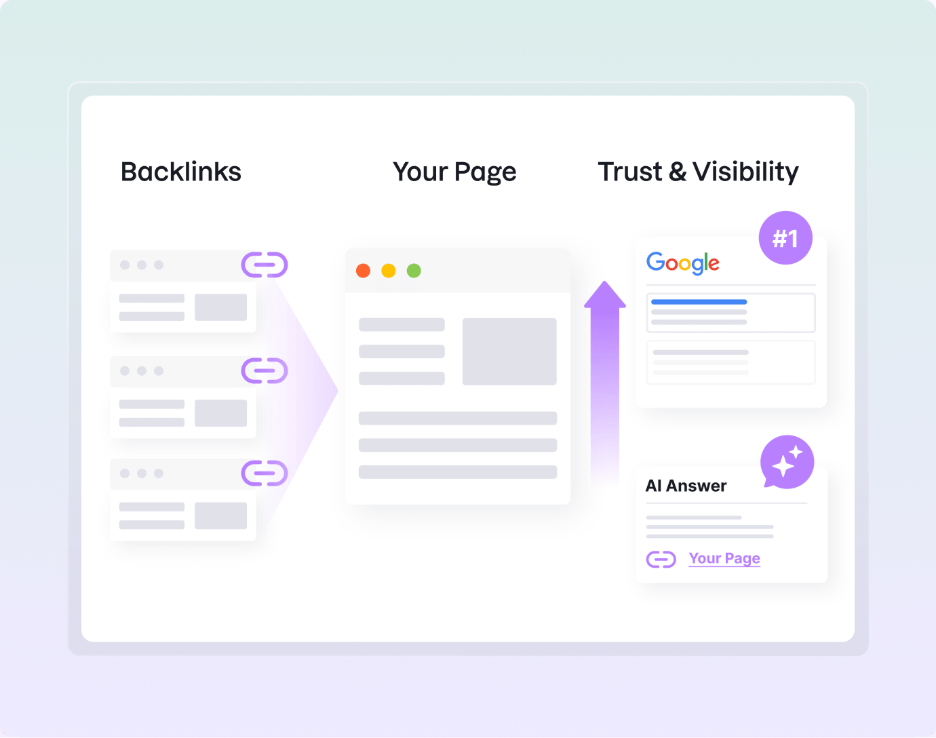
Backlinks remain one of Google’s strongest ranking signals. Pages with quality backlinks usually rank higher because they build authority over time.
SEMrush.com
According to SEMrush, over 43 trillion backlinks are tracked globally, showing just how competitive link acquisition has become. Earning high-quality backlinks is essential, because pages without authoritative links struggle to gain visibility in search results.
2. Increased Product & Category Page Visibility
Most ecommerce sites consider homepage links as their sole highlight. Nevertheless, category and product pages normally have the highest purchase intent.
These pages become more visible under commercial keywords, which directly lead to sales, with appropriate Link Building for Ecommerce.
3. More Qualified Traffic
Relevant backlinks do not just assist in rankings. They also generate referral traffic from niche blogs, review websites, and industry publications.
Sourcing through these channels means that the visitors already have a buying intent, which enhances the chances of conversion
4. Improved Domain Authority
The more you increase your backlink profile, the better your overall website. This contributes to the faster ranking of the newer pages and enhances visibility throughout the whole store.
5. Better Brand Trust & Credibility
Users perceive your store as more credible when reputable websites mention your ecommerce brand. References in the editorial of credible sources can enhance the search optimization as well as consumer trust.
6. Increased Ecommerce Revenue
Higher ranking produces higher traffic, and increased target traffic produces additional sales opportunities. This is why a lot of ecommerce brands invest a lot in long-term link acquisition strategies.
How Google Evaluates Ecommerce Backlinks
Not every backlink is equal, and Google weighs each backlink accordingly in terms of relevance, authority, context, and growth trends. As an example, a skincare e-commerce store would gain much more with the backlinks on beauty blogs or wellness sites than on non-relevant finance or technology websites.
Likewise, links on pages having authentic organic traffic, such as niche blogs or industry publications, are better SEO indicators than low-traffic or spammy pages.
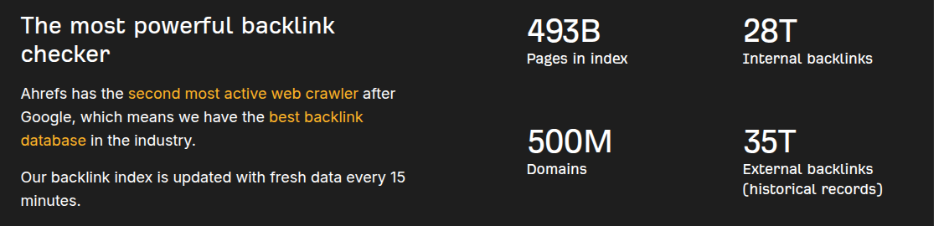
According to Ahrefs, their database comprises 35 trillion external links on 493 billion indexed pages, just to underscore the level of competition that good-quality link acquisition has taken.
Anchor text needs to be moderate with branded terms, partial-match keywords, and natural phrases, such that the link that reads “Top Moisturizers from GlowSkin” is more preferable to an exact-match repetition anchor.
Contextual links that are incorporated into the relevant content do better than sidebar or footer links, and a slow and steady increase in backlinks makes your site look natural. Any sudden spikes due to low-quality sites like link farms or PBNs may lead to a penalty, so a consistent, high-quality outreach is the key to a successful ecommerce SEO.
Best Ecommerce Link Building Strategies
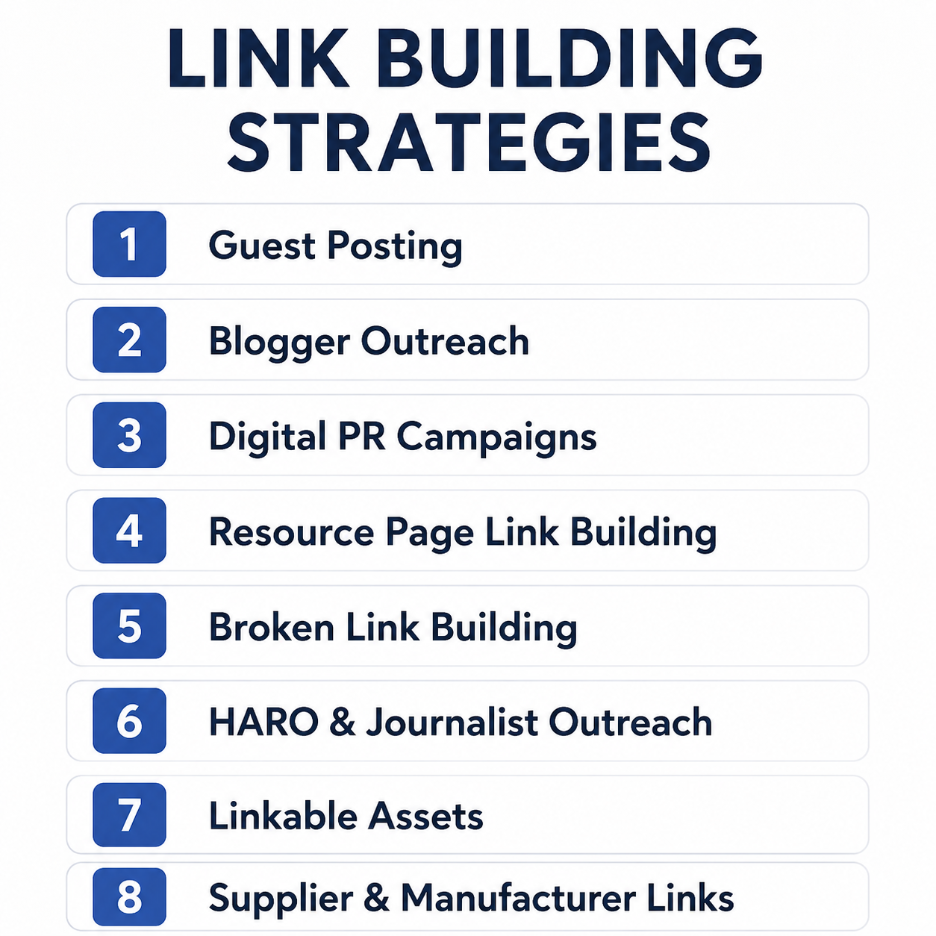
Effective Ecommerce link building depends on several strategies, which are relevance, authority, and long-term SEO development. Each method has its end, be it in establishing domain authority or in earning natural editorial links
1. Guest Posting
One of the surest ways of getting high-quality backlinks is through guest posting. By making meaningful contributions to niche websites, you stand to get contextual backlinks as you gain credibility among the target audience.
2. Blogger Outreach
Most ecommerce brands engage bloggers to get a product review, brand mention, tutorial, or roundup. The strategy is effective in niches such as lifestyle, fashion, beauty, fitness, and tech, where blogs are used to influence a buying decision.
3. Digital PR Campaigns
Digital PR assists ecommerce brands to secure editorial links in news outlets and media publications. Publication of data reports, original research, or trend reports can frequently result in high-authority coverage and long-lasting links.
4. Resource Page Link Building
Industry websites have resource pages that contain selected links to valuable information. When your content is of authentic value, you can pitch it as a valuable addition, which leads to a natural backlink.
5. Broken Link Building
Broken link building entails finding outdated or broken links on other websites and recommending your content in place of the other websites. This practice is beneficial to both sides because it allows the owners of the websites to rectify the problems, and in the process, your store gains authoritative backlinks.
6. HARO & Journalist Outreach
Journalists often seek the expertise of individuals to include in their articles, which is a backlinking opportunity for ecommerce brands. High-authority editorial links can be achieved by responding to media requests via sites such as HARO.
7. Linkable Assets
Some articles are inherently popular as a source of backlinks, such as statistic pages, industry reports, infographics, ultimate guides, and research studies.

Backlinko.com
Backlinko reports that long-form content is linked to 77.2% more backlinks than shorter articles and is therefore a highly effective ecommerce SEO tool.
8. Supplier & Manufacturer Links
Lots of suppliers have partner or retailer pages where they connect to ecommerce stores. By leveraging these prospects, authoritative links with reputable sources in the industry can be gained.
Ecommerce Link Building Outreach Process
A well-planned outreach process is essential for acquiring high-quality backlinks that boost your ecommerce site’s authority and visibility.
1. Finding Relevant Websites
The initial step towards an effective link building for Ecommerce campaign is to find websites closely related to your niche. Focus on blogs, industry magazines, and communities where your target audience already engages. Such sites have a higher chance of connecting to your content since it is of value to their readers.
2. Qualifying Link Opportunities
Not all websites you discover are worth contacting. Review possible sources of links considering organic traffic, content quality, relevance, and audience fit. Look for spam warning signs or poor content that can negatively affect your SEO rather than benefiting it.
3. Writing Outreach Emails
An effective email outreach message must be precise, concise, and specific to the site you are writing for. It is essential to personalize it, hint at how your content would be of value to their audience, and stay away from the generic templates that feel automated. Emails with true value are much more likely to achieve a backlink.
4. Follow-Up Strategy
Most backlinks are earned through polite and timely follow-ups rather than a single email. If you don’t get a response from the first email, sending a well-crafted second follow-up can significantly increase your reply rates. The key is to remain professional and provide additional value without being pushy.
Ecommerce Link Building Metrics to Track
Tracking the right metrics helps measure campaign effectiveness.
Important metrics include:
- Referring domains
- Organic traffic
- Keyword rankings
- Domain Rating
- Referral traffic
- Revenue growth
Many ecommerce businesses focus only on DR, but rankings and revenue matter more than vanity metrics.
Common Ecommerce Link Building Mistakes
- Cheap backlink packages often create more harm than value.
- Excessive keyword-rich anchors can trigger algorithmic issues.
- Relevance matters more than raw backlink quantity.
- Unnatural growth patterns can appear manipulative.
- Focusing only on homepage links limits authority distribution.
- Ignoring internal linking weakens the flow of page authority.
- Private blog networks carry significant risk and rarely provide sustainable SEO growth.
How Long Does Ecommerce Link Building Take?
Link building is a long-term SEO investment, and most ecommerce websites begin seeing measurable improvements within three to six months in moderately competitive niches, while highly competitive niches may take six to twelve months.
Results depend on factors such as competition, domain authority, content quality, consistency in acquiring links, and overall technical SEO. The strongest outcomes come from steady, long-term efforts rather than aggressive short-term campaigns.
FAQs
1. Why is link building important for ecommerce websites?
Link building helps ecommerce websites improve search engine rankings, increase domain authority, and drive qualified organic traffic. Strong backlinks also improve trust and visibility for product and category pages.
2. How long does ecommerce link building take to show results?
Most ecommerce websites start seeing measurable SEO improvements within three to six months, while highly competitive niches may take six to twelve months depending on authority, competition, and consistency.
3. Which ecommerce pages should receive backlinks?
Backlinks should target a mix of homepage, category pages, product pages, blog content, and buying guides. This creates a balanced backlink profile and distributes authority across the website.
4. What is the safest ecommerce link building strategy?
White-hat strategies such as guest posting, digital PR, blogger outreach, and creating valuable content are considered the safest and most sustainable methods for ecommerce link building.
Building Sustainable Ecommerce Growth Through Backlinks
Link Building for Ecommerce is no longer optional for brands competing in search results. Strong backlinks help product pages rank higher, improve domain authority, and drive qualified traffic that converts into sales. However, sustainable growth does not come from chasing random high-DR links or buying bulk backlinks.
The most effective ecommerce link building strategies combine high-quality content, relevant outreach, and consistent authority building. When backlinks come from trusted industry websites, they strengthen both rankings and brand credibility over time.
Focus on relevance, user value, and long-term SEO growth. Ecommerce brands that invest consistently in quality link acquisition build stronger visibility, better rankings, and more reliable organic revenue year after year.

About the author: Vibhav Gaur, Business Head
Vibhav Gaur leads strategic operations and business growth at the organization. With a strong background in digital transformation and customer-focused solutions, he has helped numerous clients streamline their web presence and scale efficiently. His leadership ensures seamless execution across teams, with a commitment to delivering results and fostering innovation in every project.


